PropTech Explodes to $16.7 Billion: Why 2025 Became a Turning Point for Real Estate Innovation
Proptech isn’t just having a moment — it’s having a full‑on renaissance. According to
FacilitiesDive, investors poured an impressive
$16.7 billion into property technology in 2025, representing a massive 67.9% increase from the previous year.
This isn’t just growth — it’s a launch point that pushes the industry well beyond pre‑pandemic highs.
The Center for Real Estate Technology & Innovation
(CRETI) confirms that even with cautious investor behavior and tighter scrutiny,
capital formation staged a confident comeback. But what’s more compelling than the dollar amount is where this money is going.
What’s Driving This Surge?
Investors are focusing heavily on AI‑powered tools that integrate directly into daily operations — not shiny distractions, but mission‑critical systems.
From automated building controls and occupancy intelligence to predictive maintenance and portfolio analytics, the most funded platforms are those delivering immediate, measurable impact.
Matt Knight, executive director at the Foundation for Innovation in Real Estate, summarized the mood best:
“Each of the last two years, people are like, ‘It can’t be as bad as last year.’ But it kind of has been.”
Even so, industry optimism remains strong — largely because the long‑expected wave of consolidation still hasn’t hit.
In the multifamily sector, tension between banks and borrowers continues to shape tech spending. While many predicted acquisitions and mergers, most have yet to materialize, adding complexity to the innovation landscape.
2026: The Year of Selective Growth
According to Aaron Ru of RET Ventures, capital isn’t disappearing — it’s simply being distributed more selectively.
Companies with proven fundamentals, strong retention, and loyal user bases are rising to the top. Meanwhile, startups from the frothy 2021–2022 era may encounter new pressures.
Technologies currently leading the pack include:
Leasing and marketing automation systems
Intelligent maintenance and procurement optimization
Resident communication and engagement platforms
Portfolio‑level data visibility tools
Artificial intelligence remains the star of the show — but expectations have matured. No more surface‑level “AI-washed” features.
Investors want durable, operationally essential AI built on powerful, well‑structured data systems.
As margins tighten and operational expectations rise, efficiency and simplification are becoming the core themes of 2026.
Teams are getting leaner, challenges more complex — and technology must not only perform, but also pay for itself quickly.
The Cameron Academy Takeaway
Proptech isn’t just reshaping real estate — it’s rewriting the skills professionals need to stay competitive.
Whether you’re entering the industry or expanding your expertise, understanding emerging technologies is no longer optional.
Cameron Academy supports future‑ready professionals with licensing and continuing education across real estate, mortgage, insurance, finance, and more.
The industry is moving fast — and we make sure you can move faster.
Proptech’s astonishing $16.7B milestone is far more than a headline. It’s a signal.
A shift.
A new era for the real estate industry — and those who stay informed will be the ones who lead it.
More Articles
Getting licensed or staying ahead in your career can be a journey—but it doesn’t have to be overwhelming. Grab your favorite coffee or tea, take a moment to relax, and browse through our articles. Whether you’re just starting out or renewing your expertise, we’ve got tips, insights, and advice to keep you moving forward. Here’s to your success—one sip and one step at a time!
Just 48 hours after NAR unveiled major revisions to its MLS policies, plaintiffs in the Michigan-based Hardy lawsuit moved to use those changes as evidence, arguing they prove NAR’s prior rules were anticompetitive. NAR denies any wrongdoing, but the case is quickly becoming a key test for whether MLS access should require Realtor membership — a question now echoing across multiple states and potentially reshaping how real estate professionals nationwide access the industry’s most essential tool.
Florida homeowners are now paying some of the highest insurance premiums in the country, with average costs topping $5,800 per year—nearly double the national average. Residents report skyrocketing rates, denied claims, and tough choices between costly coverage and financial risk. As frustration grows, lawmakers and consumer advocates are pushing new reforms aimed at increasing transparency, capping rate hikes, and protecting policyholders in one of the nation’s most volatile insurance markets.
Economic uncertainty, rapid AI adoption, tighter capital flows, and rising portfolio risk are reshaping the 2026 commercial real estate landscape. From shifting workforce patterns to a national housing attainability crisis, the industry is entering a data‑driven, fundamentals‑focused era—making adaptability, education, and tech literacy essential for real estate professionals.
Mortgage rates have climbed to 6.23 percent as investors grow doubtful that the Federal Reserve will deliver a rate cut in December. A soft but unclear jobs report and persistent inflation have pushed borrowing costs higher, reversing October’s brief relief in the housing market. Real estate and mortgage professionals should prepare clients for continued volatility as the Fed’s December meeting approaches.
After years of tight inventory, high mortgage rates, and sluggish sales, economists say 2026 is shaping up to be the turnaround real estate professionals have been waiting for. NAR projects a 14 percent jump in home sales, mortgage rates easing toward 6 percent, and buyer demand finally gaining momentum. While higher‑end homes are moving quickly, first‑time buyers continue to face affordability challenges, and price reductions are reappearing as sellers adjust to shifting conditions. For Florida agents, brokers, and newcomers, the stage is being set for a busy and opportunity‑rich year.
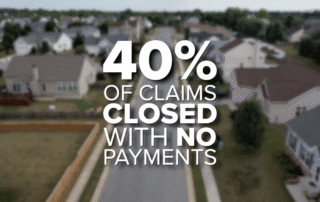
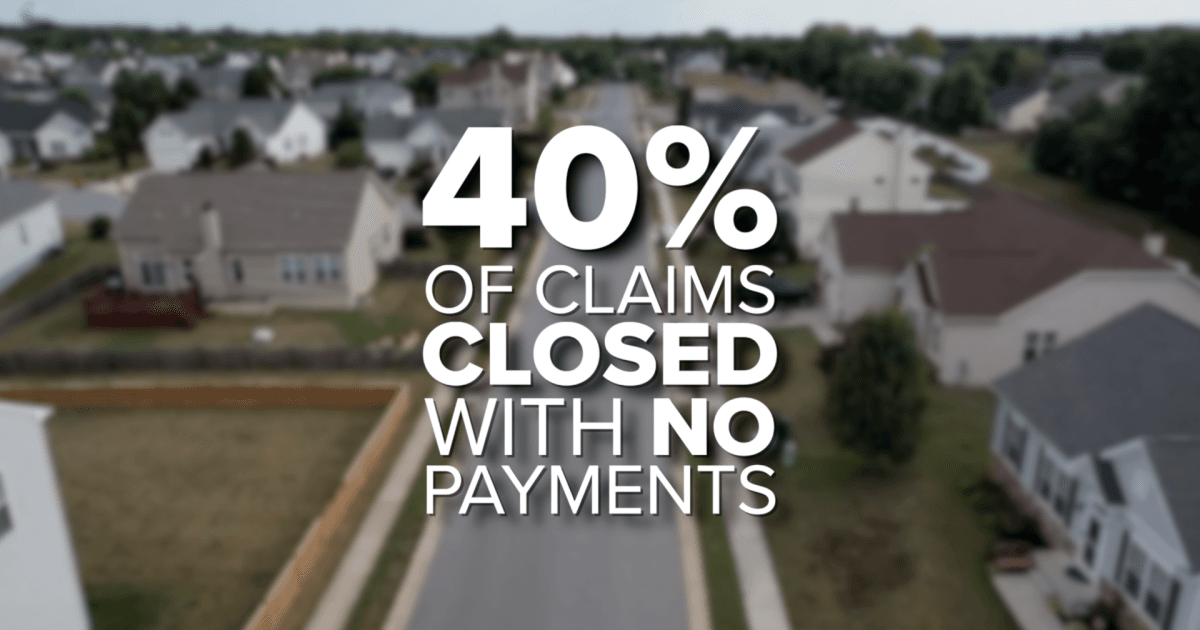
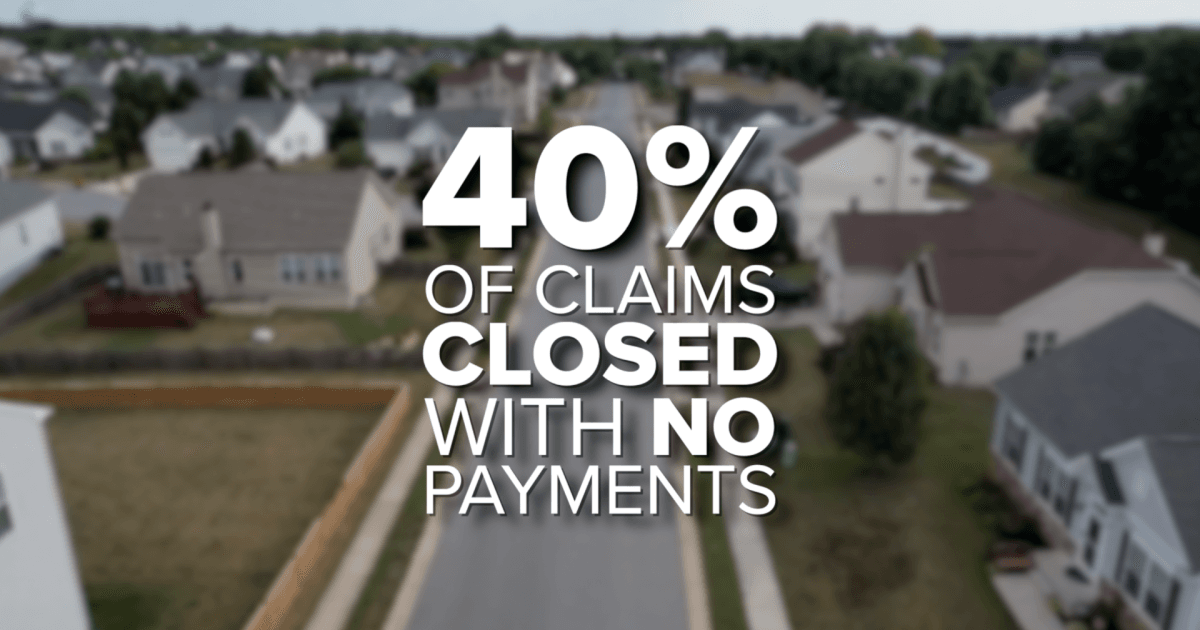
Florida’s average homeowner insurance premium has soared to $5,838 a year—almost $3,000 above the national average—pushing many residents to the financial brink. From tripled premiums to lowball claim payouts, homeowners are speaking out as frustration mounts. Some are even dropping coverage entirely. With more than 40% of claims closed without payment and policy cancellations at record levels, lawmakers are pushing for reforms, but political hurdles remain. The outcome could reshape Florida real estate, insurance, and mortgage markets for years to come.