Proptech Promised a Revolution — So Why Does Real Estate Still Feel the Same?
Every year, a new wave of proptech startups promises to disrupt real estate as we know it. Flashy apps, sleek dashboards and digital tools captivate the market with claims of faster, simpler, smarter transactions. Yet for most buyers and sellers, the process still feels… strangely familiar.
Sure, you can tour a home in 3D, sign paperwork from your phone and compare mortgage quotes online. But beneath the shiny interface, the industry’s core structure — how decisions are made, how information flows and who controls it — looks almost identical to the real estate world of a decade ago.
The truth? Proptech digitized everything except the parts that actually needed disruption.
The Digital Upgrade Without the Industry Upgrade
Proptech has ballooned into a multi‑billion‑dollar industry, attracting venture capital and media buzz. But much of that innovation sits on top of the same dated real estate model.
Listing portals still sell leads. Transaction platforms still feed traditional commission structures. Instant‑offer programs recreated the same pricing opacity they claimed to eliminate — just behind new algorithmic curtains.
For consumers, the experience may look more polished, but the power dynamics remain the same.
Tap to think: Has tech made buying or selling a home feel more transparent to you — or just more digital?
Where True Disruption Actually Begins
Real change doesn’t come from another app. It comes from shifting control to the consumer. The fintech world proved this: when everyday people gained access to their own financial data, the entire banking industry evolved.
But in real estate, essential information — comparable sales, local market trends, verified property data — remains fragmented or locked behind paywalls and legacy systems.
Platforms like Ownli are pushing the opposite direction, giving homeowners access to verified data usually reserved for industry professionals. The effect is powerful: when consumers finally see what the experts see, decision‑making becomes fair, confident and transparent.
The Real Reason Proptech Keeps Falling Short
It’s not the technology holding progress back — it’s the deeply embedded friction in the real estate ecosystem. Every step of a transaction involves gatekeepers, commissions or tradition‑bound processes that resist being rebuilt.
So startups settle for enhancements instead of reinvention. Efficiency instead of empowerment. Digital middlemen instead of structural change.
Efficiency without transparency isn’t innovation. It’s theater.
What Will Actually Drive the Next Proptech Revolution?
The future belongs to companies that make real estate trustworthy, not just digital. Verified data. Transparent pricing. Processes that homeowners can actually understand — and believe.
That means technology must simplify, not obscure. Illuminate, not gatekeep. Empower, not funnel.
The real winners of the next decade won’t be the platforms with the prettiest interface — but the ones bold enough to make the entire system honest.
The Bottom Line
Proptech doesn’t have a tech problem. It has a transparency problem. And until consumers hold the same information as the professionals across the table, we haven’t reinvented real estate — we’ve just repackaged it.
The companies willing to embrace openness will reshape the market. The rest will continue to look modern on the surface but remain outdated underneath.
For professionals, this shift underscores the importance of staying educated. As tools evolve and consumers gain more data access, agents and brokers with strong knowledge and licensing will stand out more than ever. That’s why institutions like Cameron Academy play a crucial role — helping today’s professionals stay ahead of tomorrow’s disruptions.
More Articles
Getting licensed or staying ahead in your career can be a journey—but it doesn’t have to be overwhelming. Grab your favorite coffee or tea, take a moment to relax, and browse through our articles. Whether you’re just starting out or renewing your expertise, we’ve got tips, insights, and advice to keep you moving forward. Here’s to your success—one sip and one step at a time!
In Florida, the earnings of a real estate agent can vary significantly based on numerous factors including experience, location, and the current state of the housing market. The potential earnings are quite broad, with average salaries ranging from $40,000 to $90,000 per year. However, top-performing agents in high-demand areas can earn well above this range, sometimes exceeding $100,000 annually.
Screening prospective tenants who utilize Section 8 vouchers in Florida requires a thorough understanding of both federal and local laws to ensure compliance and avoid potential legal issues.
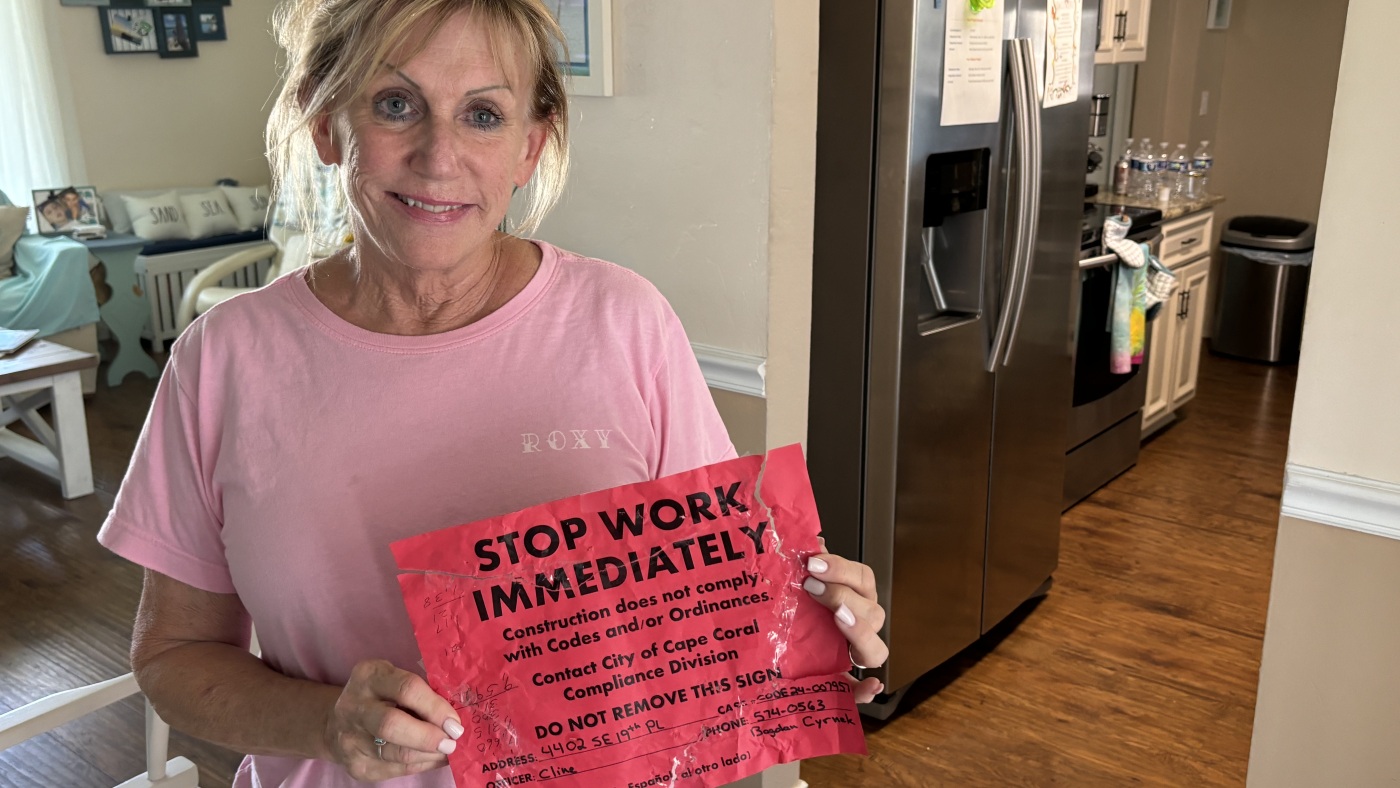
A study by First Street reveals Cape Coral has more properties at risk of flooding than any other city in Florida. Following Hurricane Ian, FEMA withdrew the city's flood insurance discount, blaming improper rebuilding practices.
Goldman Sachs Research has projected a notable increase in US home prices, forecasting a 4.5% rise this year and a 4.4% increase in 2025, as the Federal Reserve is expected to implement interest rate cuts.
In the realm of real estate, myths and misconceptions about Section 8 tenants often cloud the judgment of landlords. These stereotypes suggest that Section 8 tenants might damage property or fail to pay rent. However, these risks are inherent in renting to any tenant, not just those participating in the Section 8 program. The key to mitigating these risks lies in a robust and consistent screening process.