Proptech Promised a Revolution — So Why Does Real Estate Still Feel the Same?
Every year, a new wave of proptech startups promises to disrupt real estate as we know it. Flashy apps, sleek dashboards and digital tools captivate the market with claims of faster, simpler, smarter transactions. Yet for most buyers and sellers, the process still feels… strangely familiar.
Sure, you can tour a home in 3D, sign paperwork from your phone and compare mortgage quotes online. But beneath the shiny interface, the industry’s core structure — how decisions are made, how information flows and who controls it — looks almost identical to the real estate world of a decade ago.
The truth? Proptech digitized everything except the parts that actually needed disruption.
The Digital Upgrade Without the Industry Upgrade
Proptech has ballooned into a multi‑billion‑dollar industry, attracting venture capital and media buzz. But much of that innovation sits on top of the same dated real estate model.
Listing portals still sell leads. Transaction platforms still feed traditional commission structures. Instant‑offer programs recreated the same pricing opacity they claimed to eliminate — just behind new algorithmic curtains.
For consumers, the experience may look more polished, but the power dynamics remain the same.
Tap to think: Has tech made buying or selling a home feel more transparent to you — or just more digital?
Where True Disruption Actually Begins
Real change doesn’t come from another app. It comes from shifting control to the consumer. The fintech world proved this: when everyday people gained access to their own financial data, the entire banking industry evolved.
But in real estate, essential information — comparable sales, local market trends, verified property data — remains fragmented or locked behind paywalls and legacy systems.
Platforms like Ownli are pushing the opposite direction, giving homeowners access to verified data usually reserved for industry professionals. The effect is powerful: when consumers finally see what the experts see, decision‑making becomes fair, confident and transparent.
The Real Reason Proptech Keeps Falling Short
It’s not the technology holding progress back — it’s the deeply embedded friction in the real estate ecosystem. Every step of a transaction involves gatekeepers, commissions or tradition‑bound processes that resist being rebuilt.
So startups settle for enhancements instead of reinvention. Efficiency instead of empowerment. Digital middlemen instead of structural change.
Efficiency without transparency isn’t innovation. It’s theater.
What Will Actually Drive the Next Proptech Revolution?
The future belongs to companies that make real estate trustworthy, not just digital. Verified data. Transparent pricing. Processes that homeowners can actually understand — and believe.
That means technology must simplify, not obscure. Illuminate, not gatekeep. Empower, not funnel.
The real winners of the next decade won’t be the platforms with the prettiest interface — but the ones bold enough to make the entire system honest.
The Bottom Line
Proptech doesn’t have a tech problem. It has a transparency problem. And until consumers hold the same information as the professionals across the table, we haven’t reinvented real estate — we’ve just repackaged it.
The companies willing to embrace openness will reshape the market. The rest will continue to look modern on the surface but remain outdated underneath.
For professionals, this shift underscores the importance of staying educated. As tools evolve and consumers gain more data access, agents and brokers with strong knowledge and licensing will stand out more than ever. That’s why institutions like Cameron Academy play a crucial role — helping today’s professionals stay ahead of tomorrow’s disruptions.
More Articles
Getting licensed or staying ahead in your career can be a journey—but it doesn’t have to be overwhelming. Grab your favorite coffee or tea, take a moment to relax, and browse through our articles. Whether you’re just starting out or renewing your expertise, we’ve got tips, insights, and advice to keep you moving forward. Here’s to your success—one sip and one step at a time!
Fort Myers Beach is becoming the front line of a new Florida—one shaped by hurricane devastation, soaring insurance premiums, and rapid gentrification. Three years after Hurricane Ian, residents are still battling massive rebuilding costs and insurance bills that now exceed $5,700 a year on average, with flood insurance reaching $10,000 for some families. Long-time locals, small businesses, and service workers are being priced out as wealthy investors move in, transforming once-affordable coastal communities. Real estate professionals warn that foreclosures may rise if economic pressures continue, signaling a pivotal moment for Florida’s housing market and the professionals who serve it.
Economic uncertainty, AI disruption, slowing population growth, and rising portfolio risk are reshaping commercial real estate heading into 2026. A new report unveiled at NAR NXT highlights the forces that will reward informed professionals — and challenge those who aren’t prepared. From fiscal policy and shifting capital flows to tech transformation and housing shortages, the landscape is evolving fast. Cameron Academy breaks down the key issues so real estate, mortgage, finance, and insurance professionals can stay ahead of the curve.
A sudden federal shutdown of FEMA’s BRIC resiliency program has left cities and commercial property owners scrambling, exposing billions in real estate to rising climate threats. With nearly a billion dollars in mitigation funding clawed back and extreme weather intensifying, insurance premiums are expected to surge and coverage may shrink — placing new pressure on markets like Florida and New York.
A new Florida Senate bill aims to stop cities and counties from blocking residential developments over vague “compatibility” concerns. Supporters say the measure would speed up homebuilding and ease housing shortages, while opponents argue it strips communities of essential oversight and could accelerate growth without proper planning. The proposal could reshape development timelines and land-use decisions statewide, making it a major issue for real estate professionals to watch.
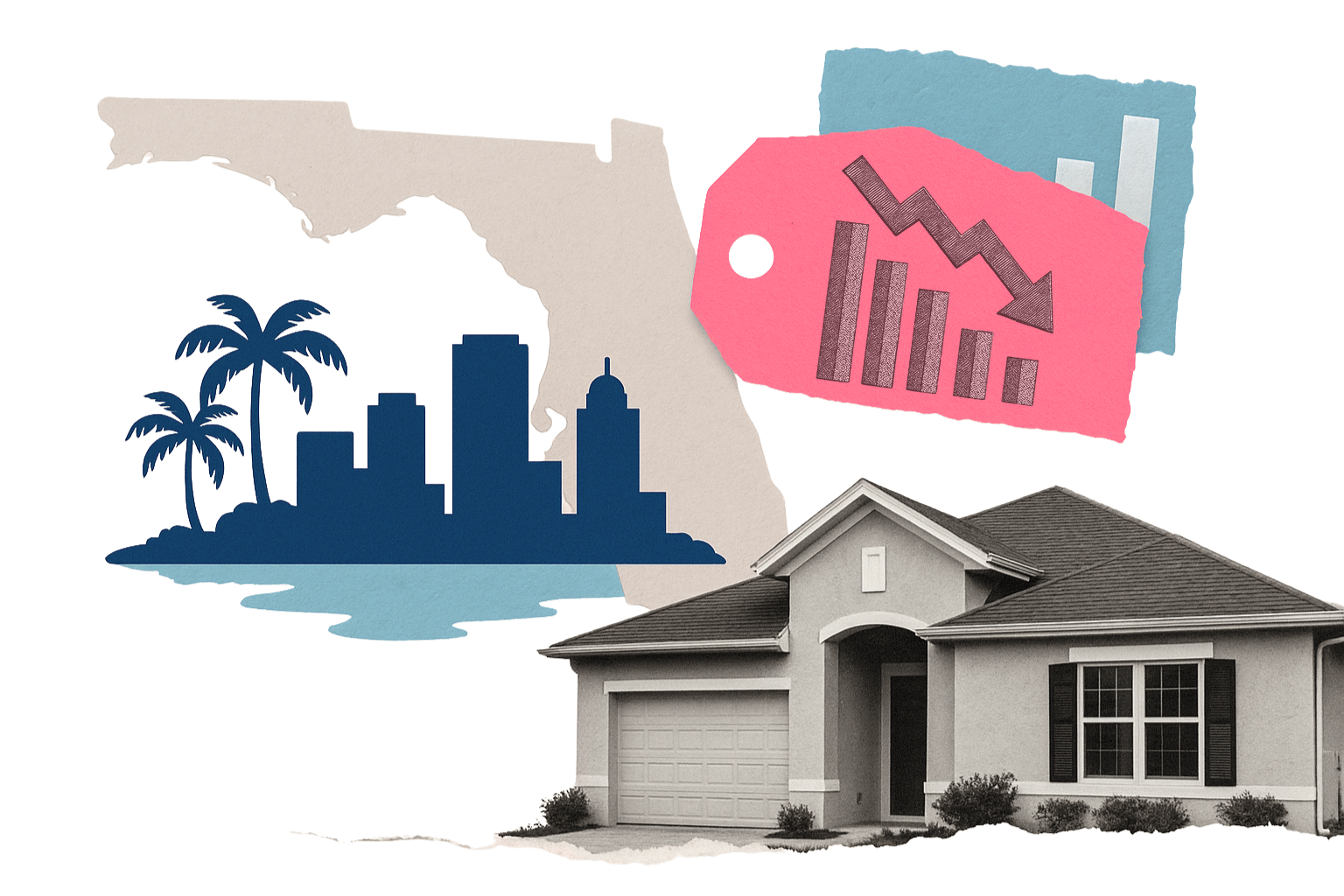
Cape Coral–Fort Myers has officially moved into buyer-friendly territory, with homes now sitting a median 119 days on the market—far longer than both the Florida and U.S. averages. Rising inventory, a 36.9 percent price‑reduction rate, and slower absorption compared to accumulated supply are giving buyers more leverage and time to negotiate, signaling a meaningful reset in this once‑fast‑moving Florida market.
Kansas City’s commercial real estate sector is finally turning a corner after several years of sluggish activity. Retail is leading the rebound, while multifamily and industrial properties are gaining traction as pricing stabilizes and buyer confidence returns. A standout 2025 transaction—the sale of the 380‑unit Cyan Southcreek community—signals that capital is flowing back into the market. With bid‑ask spreads tightening and investor optimism rising, Kansas City is entering a period of renewed opportunity for real estate professionals and investors alike.


 Florida’s Middle Class Is Being Squeezed Out: Insurance Costs, Rebuilding Struggles, and a Changing Coastline Gallery