In the rapidly evolving landscape of real estate, technology is the driving force behind transformative changes, with proptech—short for property technology—leading the charge. As the real estate sector, valued at approximately $614 trillion globally, finally embraces digitalization, 2024 marks a pivotal year for the industry to bridge any technological gaps.
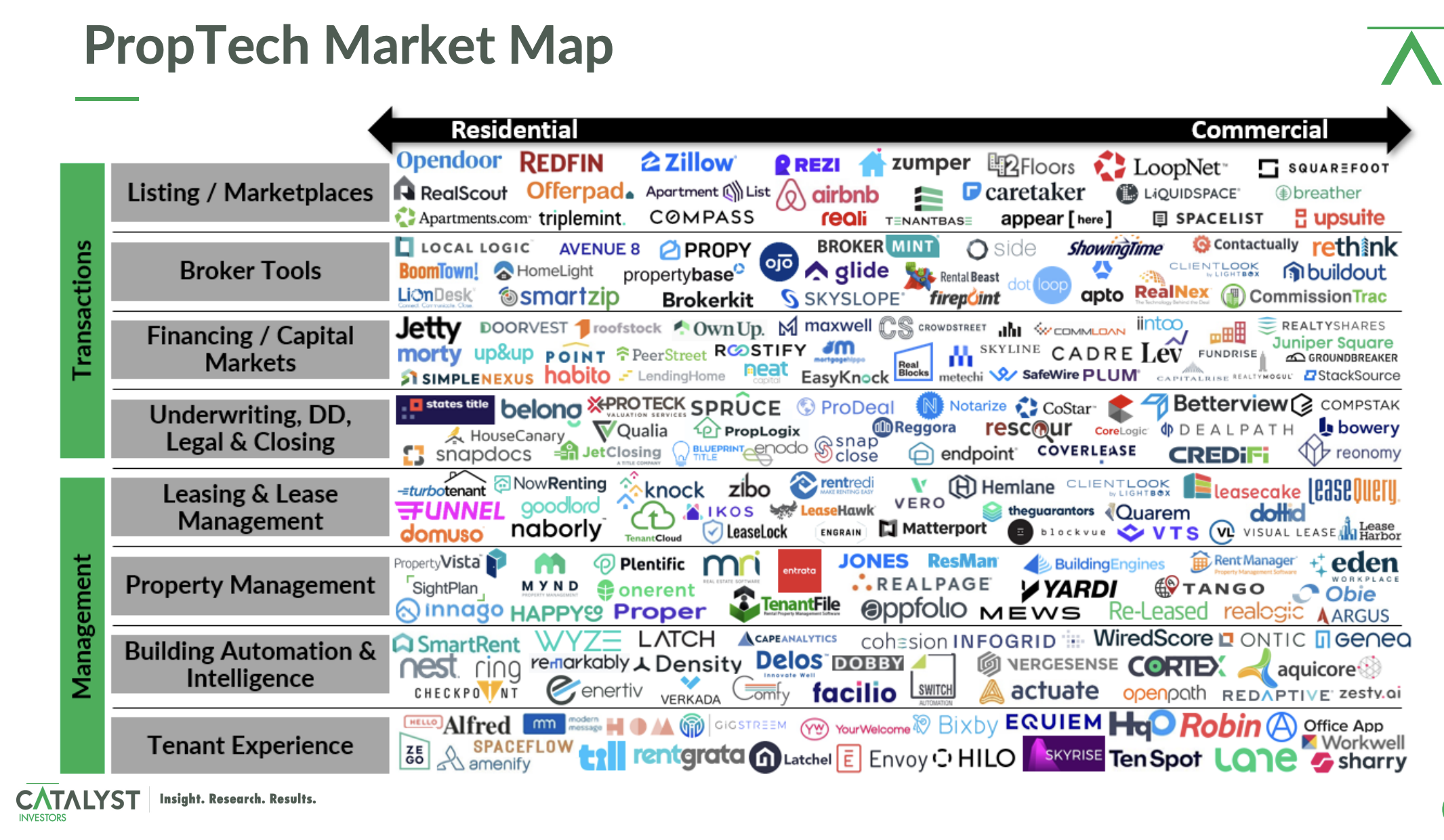
Proptech encompasses a wide array of tech tools used in the real estate sector to research, market, buy, sell, and manage properties. This technological revolution aims to optimize real estate transactions, enhance operational efficiency, and elevate the overall experience for buyers, sellers, renters, agents, and property managers. Industry giants like Zillow and Airbnb are just the tip of the iceberg, as proptech extends to advanced technologies like AI, blockchain, and IoT, promising more efficient property management and transactions.
The proptech market is on a significant growth trajectory, expected to soar from $19.6 billion in 2023 to $47.8 billion by 2033, reflecting a compound annual growth rate (CAGR) of 9.3%. This surge is fueled by innovations in Virtual Reality (VR), Artificial Intelligence (AI), blockchain, and GreenTech, which are reshaping the real estate landscape.
Top Proptech Trends for 2024
1. AI-powered Property Listing Descriptions
AI is revolutionizing property listings by converting images into text, generating descriptions based on photos. This not only saves agents’ time but also enhances the sales process by optimizing images and boosting conversion rates.
2. Data-powered Market Analysis
AI-driven platforms enable faster analysis of real estate projects, transforming data from multiple sources into complex market analysis. This data-driven approach removes bias, reduces costs, and facilitates efficient decision-making.
3. AI-chatbots & Assistants
With 78% of leads staying with the realtor who responds first, AI-chatbots are becoming indispensable. They offer agents instant access to crucial data and automate investment strategies, making real estate more accessible to lower-capital consumers.
4. AI-driven Marketing
AI enhances real estate marketing by automating efforts, increasing efficiency, and simplifying the search for quality tenants. From auto-generating ads to AI-backed CRMs analyzing lead conversion, AI is reshaping the marketing landscape.
5. Energy Optimization
With real estate responsible for 40% of global CO2 emissions, proptech is critical for decarbonization and energy optimization. Companies like Cushman & Wakefield are building software to assess and reduce carbon emissions, offering an environmentally responsible way to manage properties.
6. AR/VR-driven Touring and Staging
AR/VR technologies offer immersive virtual tours and 3D renderings, providing potential buyers a comprehensive understanding of properties from the comfort of their homes. This trend is set to increase in 2024, enhancing the buyer experience and sales potential.
7. Blockchain
Blockchain simplifies real estate transactions by creating digital agreements and storing transaction details securely. This technology eliminates third-party intermediaries and physical paper trails, enhancing transparency and security.
The proptech landscape is dynamic, with companies like Airbnb, EquipmentShare, View, Opendoor, Compass, Pacaso, and Hippo leading the charge in the U.S. These companies are leveraging significant funding to innovate and disrupt traditional real estate practices.
For those interested in diving deeper into the world of proptech, the original article on Netguru provides a comprehensive overview of how these technologies are driving change in the real estate sector. As the industry continues to evolve, staying ahead of these trends will be crucial for anyone involved in real estate.
The future of real estate is being shaped by the dynamic evolution of proptech. After years of tech-hibernation, the real estate industry has finally woken up and is hungry for change. Proptech companies understand that the key to efficient innovation is accelerated speed-to-value, best achieved through minimum viable products that allow for swift validation of new concepts.
More Articles
Getting licensed or staying ahead in your career can be a journey—but it doesn’t have to be overwhelming. Grab your favorite coffee or tea, take a moment to relax, and browse through our articles. Whether you’re just starting out or renewing your expertise, we’ve got tips, insights, and advice to keep you moving forward. Here’s to your success—one sip and one step at a time!
"The challenges faced by the PropTech industry are vast, ranging from data security and regulatory compliance to the implementation of sustainable practices. Yet, technologies such as Artificial Intelligence (AI), Virtual Reality (VR), Internet of Things (IoT), and Blockchain are pivotal in addressing these hurdles."
The commercial real estate sector is poised to emerge from recent tumultuous years, armed with insights and strategies to better position itself for the future. According to a detailed analysis by Deloitte, the 2025 outlook offers a roadmap for industry leaders to navigate the evolving landscape.
The IRS is ushering in a new era of tax reporting that will significantly affect freelancers, small business owners, and anyone who earns income through third-party payment apps like Venmo or PayPal. These changes are embodied in the form of adjusted thresholds for the Form 1099-K, a tax document used to report income from such platforms. Previously, this form was only required for those earning at least $20,000 annually through these services. However, new phased-in rules will reduce this threshold to $600 by 2026, starting with earnings over $5,000 in 2024.
As we look to the horizon of the U.S. housing market, Fannie Mae's Home Price Expectations Survey offers a crucial glimpse into the coming years. Compiled from the insights of over 100 housing experts, this survey predicts notable changes in home prices from 2025 to 2028. The analysis, originally detailed by Norada Real Estate Investments, suggests a shift in market dynamics that could impact homeowners and investors alike.