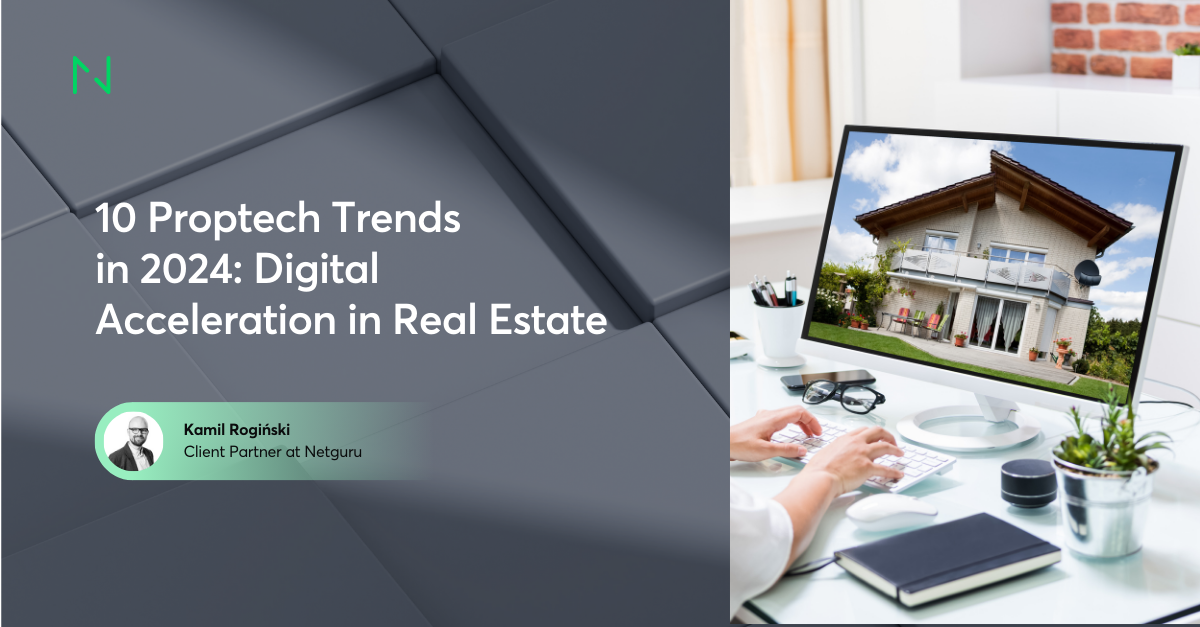
The real estate industry is poised on the brink of a digital revolution, as proptech trends in 2024 promise to reshape the market landscape. After a turbulent period marked by skyrocketing mortgage payments that reached an all-time high of $2,306 in July last year, the sector is now stabilizing, creating fertile ground for technological innovation.
Technology: A Beacon of Hope in Real Estate
Mark Fleming, Chief Economist at First American Financial Corporation, aptly described the current housing market as a Goldilocks scenario: “If the 2020-2021 housing market was too hot, then the 2023 market was probably too cold, but 2024 won’t yet be just right.” Despite the challenges, the industry is ripe for a digital transformation, with technologies like artificial intelligence (AI), augmented reality (AR), and predictive analytics leading the charge.
Key Drivers of Digital Acceleration
Artificial Intelligence: AI is revolutionizing market understanding, enabling accurate property value predictions and enhancing customer service through chatbots.
Augmented and Virtual Reality: These technologies allow potential buyers to tour properties virtually, breaking geographical barriers.
Predictive Analytics: By forecasting market trends and buyer behavior, predictive analytics empower agents to strategize effectively.
Personalization: Hyper-personalized property recommendations are transforming the search experience for buyers and renters.
The Democratization of Real Estate Investing
The advent of AI assistants like Alma by DealMachine is making real estate investing more accessible. These tools provide insights into potential rental income and repair costs, streamlining the investment process.
Next-Gen Experience and Tech-Enabled Brokerages
As Baby Boomers retire, a new generation of tech-savvy professionals is embracing proptech, driving a surge in digital innovation. Brokerages like Redfin and Compass are leading this transformation, enhancing client experiences and boosting productivity.
Embracing Sustainability and Efficiency
With a focus on sustainability, AI-powered tools are reducing building emissions and optimizing energy use, aligning with global net-zero targets. Meanwhile, AI is streamlining property management, automating tasks like rent collection and maintenance.
The Future is Now
In 2024, technologies like 3D home touring and AI-powered underwriting are set to redefine real estate transactions, making them more efficient and customer-friendly. As the industry continues to evolve, early adopters of these innovations will gain a competitive edge, as highlighted in the PwC Emerging Trends in Real Estate 2024 report.
This digital acceleration is not just a trend but a transformative force, promising to make the real estate market more accessible, sustainable, and personalized than ever before.
More Articles
Getting licensed or staying ahead in your career can be a journey—but it doesn’t have to be overwhelming. Grab your favorite coffee or tea, take a moment to relax, and browse through our articles. Whether you’re just starting out or renewing your expertise, we’ve got tips, insights, and advice to keep you moving forward. Here’s to your success—one sip and one step at a time!
After years of soaring premiums and insurer instability, Florida’s property insurance market is finally turning a corner. Major carriers have filed 83 requests for rate decreases heading into 2026, with companies like Florida Peninsula and Patriot Select proposing cuts of 8.4% and 11.3%. Some homeowners may see relief as early as next month, signaling a long‑awaited shift toward market stability.
Fix-and-flip investing is gearing up for one of its strongest years in a decade as 2026 approaches. With cheaper capital, more accessible funding, easing interest rates, and long-awaited increases in housing inventory, investors are finding the perfect environment to launch or scale renovation-based real estate businesses. Renovation continues to outpace new construction in cost and speed, and demand for move-in-ready homes remains high, making 2026 a powerful opportunity window for both new and experienced investors.
After a short-lived period of relief in 2025, the U.S. rental market may be headed for a tighter, more expensive 2026. With construction starts dropping nearly 11% and completions plunging 42%, the surge of new apartments that helped lower rents is rapidly drying up. Rising costs, shrinking inventory, and a slowdown in new development point to a potential rental crunch that could leave renters facing heavier competition and higher prices across major markets next year.
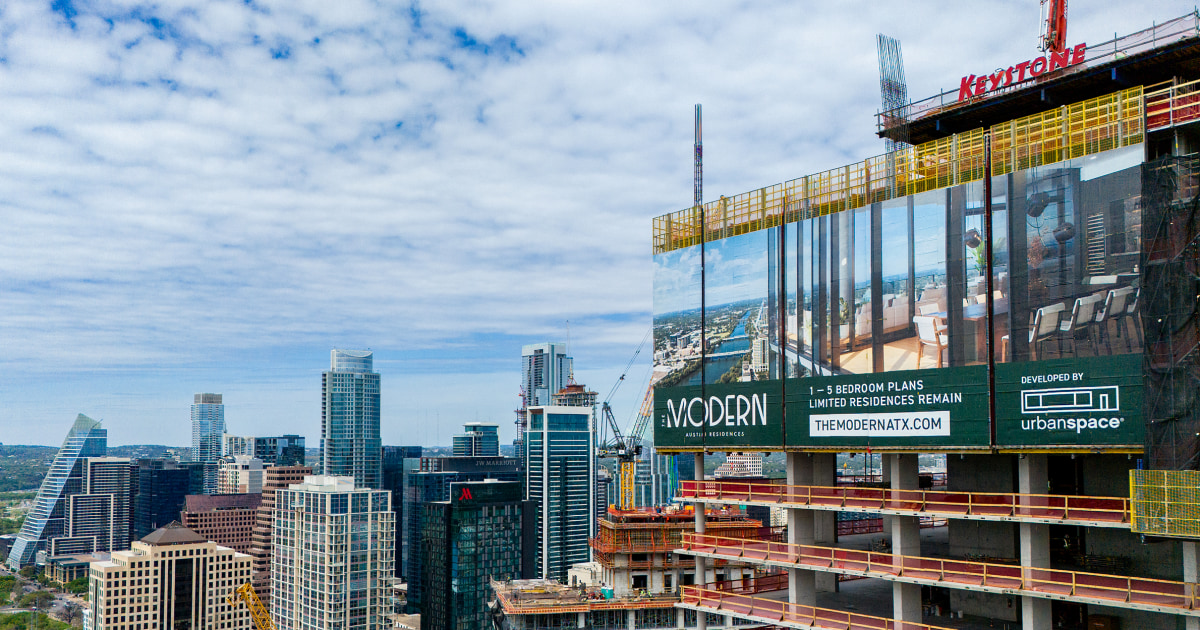
The commercial real estate market is entering a rare reset that experts say mirrors the post‑2008 boom, creating a potential window for disciplined investors. With trillions in commercial debt coming due and property values dropping up to 40%, firms like AARE are positioning themselves to acquire assets below replacement cost—an advantage that could set the stage for significant long‑term growth.
Commercial real estate is entering a reinvention phase, with AI‑driven productivity, modernized office demand, experience‑focused retail, expanding industrial logistics, creative housing solutions, and sustainability‑centered design all accelerating nationwide. These six forces are shaping how investors, brokers, and future licensees will operate in a rapidly evolving U.S. market.
After years of economic uncertainty and cautious decision‑making, 2026 is shaping up to be the year professionals finally catch a break. AI is moving from buzzword to essential tool, capital markets are beginning to thaw, and hiring is picking up across real estate, mortgage, insurance, finance, and healthcare. With opportunity returning, many professionals are using this moment to upskill—pursuing new licenses, certifications, and cross‑industry expertise.