Public Perception of Genetic Engineering: Insights Before and After the CRISPR Era

The introduction of CRISPR-Cas9 in 2012 was a groundbreaking moment in the field of genetics, offering a more accessible method for precise genome modifications. This advancement has not only transformed genetic research but also ignited debates on the ethical implications of modifying human and animal genomes. There’s been a surge in both scientific and public interest, leading to extensive studies aimed at gauging public opinion on genetic engineering.
A recent systematic review sheds light on the evolving public perceptions towards genetic modification both before and after CRISPR-Cas9’s debut. Conducted over a span of 35 years, the review chronicled public attitudes in various regions, including Asia, Europe, and North America, through an in-depth examination of questionnaire surveys. You can access the original study for more details here.
Before CRISPR, public discussions largely revolved around the potential medical applications of genetic engineering in humans, such as gene therapies aimed at curing genetic diseases. Conversely, the idea of genetic enhancement in humans was met with skepticism and often outright rejection. The public’s concern centered on ethical considerations, such as the naturalness of altering the human genome and potential societal impacts.
Post-CRISPR, while the overall acceptance of genome editing for treating diseases has increased, attitudes remain mixed regarding non-therapeutic enhancements. The differentiation between therapeutic and non-therapeutic uses remains significant; there’s strong support for treating severe genetic conditions but hesitance and ethical reservations persist regarding enhancements, such as altering intelligence or physical attributes.
The stance on genetically modifying animals similarly hinges on intended use—medical applications, such as producing organs for transplantation, receive higher acceptance compared to the use of genetic changes for food production.
The relationship between public awareness and attitude is complex. Generally, better-informed individuals tend to show greater support for genetic technologies, although this correlation is sometimes weak.
This comprehensive review also highlights methodological aspects of the surveys included, underscoring the need for standardized approaches to ensure consistency across future studies.
As genetic engineering technologies like CRISPR continue to advance, public consultation will be crucial, especially as these applications may directly impact everyday lives. This review underscores the importance of inclusive dialogue and informed policy-making to align technological innovation with societal values and expectations.
For more detailed insights, the original study and its supplementary materials offer further context and understanding of this evolving landscape.

More Articles

Getting licensed or staying ahead in your career can be a journey—but it doesn’t have to be overwhelming. Grab your favorite coffee or tea, take a moment to relax, and browse through our articles. Whether you’re just starting out or renewing your expertise, we’ve got tips, insights, and advice to keep you moving forward. Here’s to your success—one sip and one step at a time!

Unlocking Real Estate Wealth in 2025: Strategies for Success

Step into 2025, where the real estate market emerges as a resilient beacon amidst economic unpredictability. Investors are increasingly drawn to secondary cities like Austin and Manchester, attracted by their growth potential, affordability, and enhanced quality of life.

By |February 18, 2025|Categories: Article, Investment Strategies, Real Estate|Tags: , |0 Comments

AI and Urbanization Drive Home Services Market Growth

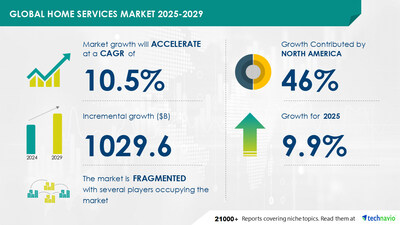
The global home services market is poised for significant growth, with projections indicating an increase of USD 1.03 trillion from 2025 to 2029. This forecasted expansion is attributed to increasing urbanization and the transformative impact of AI on market trends, according to a recent report by Technavio.

Decoding the U.S. Housing Crisis: A Study of Historic Policy Missteps and Demographic Shift

In a revealing study by USC, the roots of the current housing crisis in the United States are traced back to policy missteps and demographic changes that have been unfolding since the early 2000s. The study highlights how these factors have left millennials and people of color disproportionately affected.

Best Real Estate Crowdfunding Platforms for February 2025: Investopedia’s Top Picks

Fundrise stands out for offering investors a chance to diversify their portfolios with real estate exposure through proprietary funds. With a minimum investment as low as $10, it opens doors to beginners and seasoned investors alike.

Top Real Estate Investment Apps of 2025: A Guide for First-Time and Experienced Investors

Business Insider has reviewed a range of platforms available in 2025, focusing on key factors like fees, accessibility for accredited vs. non-accredited investors, and the types of real estate investments offered.