Public Perception of Genetic Engineering: Insights Before and After the CRISPR Era

The introduction of CRISPR-Cas9 in 2012 was a groundbreaking moment in the field of genetics, offering a more accessible method for precise genome modifications. This advancement has not only transformed genetic research but also ignited debates on the ethical implications of modifying human and animal genomes. There’s been a surge in both scientific and public interest, leading to extensive studies aimed at gauging public opinion on genetic engineering.
A recent systematic review sheds light on the evolving public perceptions towards genetic modification both before and after CRISPR-Cas9’s debut. Conducted over a span of 35 years, the review chronicled public attitudes in various regions, including Asia, Europe, and North America, through an in-depth examination of questionnaire surveys. You can access the original study for more details here.
Before CRISPR, public discussions largely revolved around the potential medical applications of genetic engineering in humans, such as gene therapies aimed at curing genetic diseases. Conversely, the idea of genetic enhancement in humans was met with skepticism and often outright rejection. The public’s concern centered on ethical considerations, such as the naturalness of altering the human genome and potential societal impacts.
Post-CRISPR, while the overall acceptance of genome editing for treating diseases has increased, attitudes remain mixed regarding non-therapeutic enhancements. The differentiation between therapeutic and non-therapeutic uses remains significant; there’s strong support for treating severe genetic conditions but hesitance and ethical reservations persist regarding enhancements, such as altering intelligence or physical attributes.
The stance on genetically modifying animals similarly hinges on intended use—medical applications, such as producing organs for transplantation, receive higher acceptance compared to the use of genetic changes for food production.
The relationship between public awareness and attitude is complex. Generally, better-informed individuals tend to show greater support for genetic technologies, although this correlation is sometimes weak.
This comprehensive review also highlights methodological aspects of the surveys included, underscoring the need for standardized approaches to ensure consistency across future studies.
As genetic engineering technologies like CRISPR continue to advance, public consultation will be crucial, especially as these applications may directly impact everyday lives. This review underscores the importance of inclusive dialogue and informed policy-making to align technological innovation with societal values and expectations.
For more detailed insights, the original study and its supplementary materials offer further context and understanding of this evolving landscape.

More Articles

Getting licensed or staying ahead in your career can be a journey—but it doesn’t have to be overwhelming. Grab your favorite coffee or tea, take a moment to relax, and browse through our articles. Whether you’re just starting out or renewing your expertise, we’ve got tips, insights, and advice to keep you moving forward. Here’s to your success—one sip and one step at a time!

Exploring the Benefits and Risks of AI in Oncology

The potential of AI to transform medical services is immense. From enhancing diagnostic precision to personalizing treatment options, AI is poised to play a pivotal role in the future of healthcare.

By |January 17, 2025|Categories: Article, Artificial Intelligence, Healthcare|Tags: , |0 Comments

The Future of Oncology: How TechBio is Revolutionizing Cancer Treatment and Beyond

The future of oncology is about more than conquering cancer; it’s an opportunity to redefine healthcare access and equity worldwide, ensuring hope and healing for all.

By |January 17, 2025|Categories: Article, Oncology, TechBio|Tags: , |0 Comments

Telehealth: A New Frontier in Equitable Healthcare Access

"Telehealth" offers a promising avenue to bridge these gaps. By facilitating the provision of specialists, reducing travel needs, and ensuring culturally sensitive care. "Telehealth" promotes health inclusivity.

By |January 16, 2025|Categories: Article, Healthcare, Technology|Tags: , |0 Comments

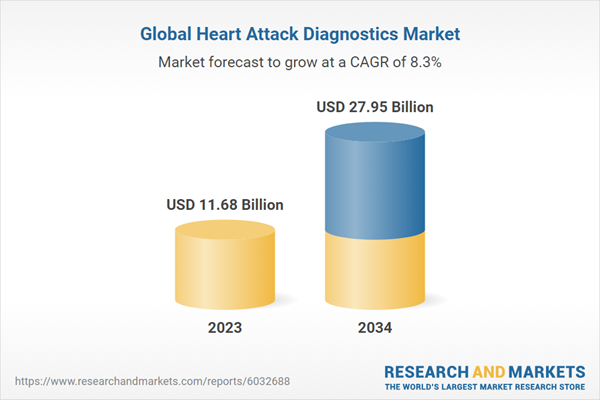
Heart Attack Diagnostics Market Surges with Technological Innovations

The heart attack diagnostics market is poised for remarkable growth, driven by groundbreaking advancements in artificial intelligence, biomarkers, and cutting-edge imaging technologies.

By |January 16, 2025|Categories: Article, Healthcare, Technology|Tags: , |0 Comments

ClearValue Consulting Teams Up with Restb.ai to Revolutionize Real Estate Appraisals

In a bold move to transform the real estate appraisal landscape, ClearValue Consulting has announced a strategic partnership with Restb.ai. This collaboration is set to integrate cutting-edge computer vision technology into ClearValue's renowned valuation review platform, Certainty, bringing about a new era of efficiency and precision in appraisal processes.

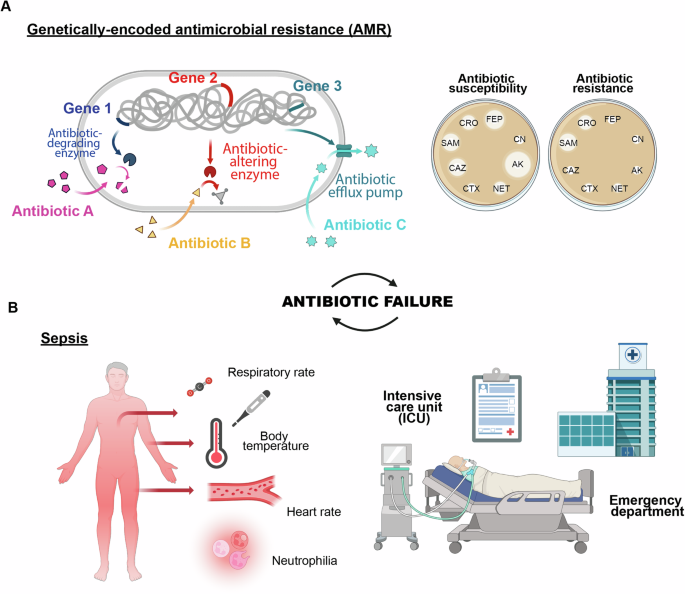
Artificial Intelligence: The New Frontier in Combating Infectious Diseases

AI is transforming how we diagnose and treat infectious diseases, particularly in the realm of antibiotic resistance. Traditional methods of discovering new antibiotics are notoriously slow, often taking years to yield results. However, AI is accelerating this process dramatically.