Public Perception of Genetic Engineering: Insights Before and After the CRISPR Era
The introduction of
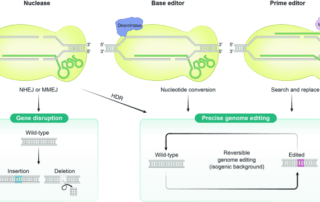
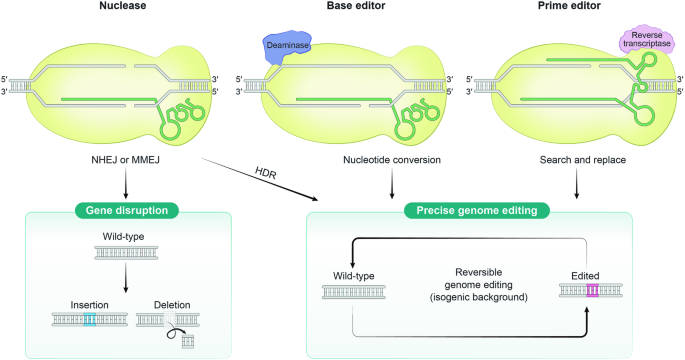
CRISPR-Cas9 in 2012 was a groundbreaking moment in the field of genetics, offering a more accessible method for precise genome modifications. This advancement has not only transformed genetic research but also ignited debates on the ethical implications of modifying human and animal genomes. There’s been a surge in both scientific and public interest, leading to extensive studies aimed at gauging public opinion on
genetic engineering.
A recent systematic review sheds light on the evolving public perceptions towards
genetic modification both before and after CRISPR-Cas9’s debut. Conducted over a span of 35 years, the review chronicled public attitudes in various regions, including Asia, Europe, and North America, through an in-depth examination of questionnaire surveys. You can access the original study for more details
here.
Before CRISPR, public discussions largely revolved around the potential medical applications of
genetic engineering in humans, such as gene therapies aimed at curing genetic diseases. Conversely, the idea of genetic enhancement in humans was met with skepticism and often outright rejection. The public’s concern centered on ethical considerations, such as the naturalness of altering the human genome and potential societal impacts.
Post-CRISPR, while the overall acceptance of
genome editing for treating diseases has increased, attitudes remain mixed regarding non-therapeutic enhancements. The differentiation between therapeutic and non-therapeutic uses remains significant; there’s strong support for treating severe genetic conditions but hesitance and ethical reservations persist regarding enhancements, such as altering intelligence or physical attributes.
The stance on genetically modifying animals similarly hinges on intended use—medical applications, such as producing organs for transplantation, receive higher acceptance compared to the use of genetic changes for food production.
The relationship between public awareness and attitude is complex. Generally, better-informed individuals tend to show greater support for
genetic technologies, although this correlation is sometimes weak.
This comprehensive review also highlights methodological aspects of the surveys included, underscoring the need for standardized approaches to ensure consistency across future studies.
As
genetic engineering technologies like CRISPR continue to advance, public consultation will be crucial, especially as these applications may directly impact everyday lives. This review underscores the importance of inclusive dialogue and informed policy-making to align technological innovation with societal values and expectations.
For more detailed insights, the original study and its supplementary materials offer further context and understanding of this evolving landscape.