Public Perceptions of AI in Healthcare: A Balancing Act Between Innovation and Ethics

In the rapidly evolving landscape of healthcare, the integration of artificial intelligence (AI) stands as a beacon of both promise and concern. A recent study published in BMC Medical Ethics on June 22, 2024, delves into the public perceptions surrounding AI’s role in patient-centered care. The study, which can be accessed here, highlights both the potential benefits and ethical dilemmas posed by AI in the medical field.
The research underscores a significant tension: while AI has the capability to enhance healthcare delivery, there is palpable unease about its impact on the traditional physician-patient relationship. As AI technologies become more prevalent, concerns about the erosion of personal interactions in healthcare settings have come to the forefront.

Ethical Concerns and Public Perception

The study reveals that a substantial portion of the public remains wary of AI’s involvement in personal healthcare decisions. This apprehension stems from fears of losing the “human touch” that is integral to patient-centered care. The findings align with previous research, such as that by Epstein and Street, which emphasizes the value of empathy and understanding in healthcare interactions.
Moreover, the study calls attention to the lack of oversight and guidance in integrating AI with patient-centered care. This gap in regulation raises ethical questions about transparency, accountability, and patient consent. The need for robust guidelines is echoed in the fundamentals of open access and open research, which advocate for ethical practices in scientific advancements.

Opportunities for AI in Healthcare

Despite these concerns, the potential for AI to support patient care cannot be overlooked. The study highlights how AI can assist in administrative tasks, freeing up healthcare professionals to focus more on patient interactions. This dual role of AI as both a tool and a potential disruptor is a recurring theme in the discourse on AI in healthcare.
To address these challenges, the study suggests a cautious approach to AI integration, emphasizing the importance of maintaining the core principles of patient-centered care. The findings suggest that with proper regulation and ethical considerations, AI can be a valuable ally in the healthcare sector.

Conclusion

As the medical community continues to explore the integration of AI, the balance between innovation and ethics remains crucial. This study serves as a reminder that while technology can drive progress, the human element in healthcare must not be compromised. For a more detailed exploration of these findings, the full article is available here.

More Articles

Getting licensed or staying ahead in your career can be a journey—but it doesn’t have to be overwhelming. Grab your favorite coffee or tea, take a moment to relax, and browse through our articles. Whether you’re just starting out or renewing your expertise, we’ve got tips, insights, and advice to keep you moving forward. Here’s to your success—one sip and one step at a time!

Precision Medicine Market: A Tailored Approach Revolutionizing Healthcare

With increasing governmental and private investments, the demand for precision medicine is expected to rise steadily. The commitment to addressing chronic conditions, coupled with strategic industry collaborations and advanced diagnostic tools, will sustain market growth.

U.S. Wearable Medical Devices Market: Growth Trends and Future Prospects

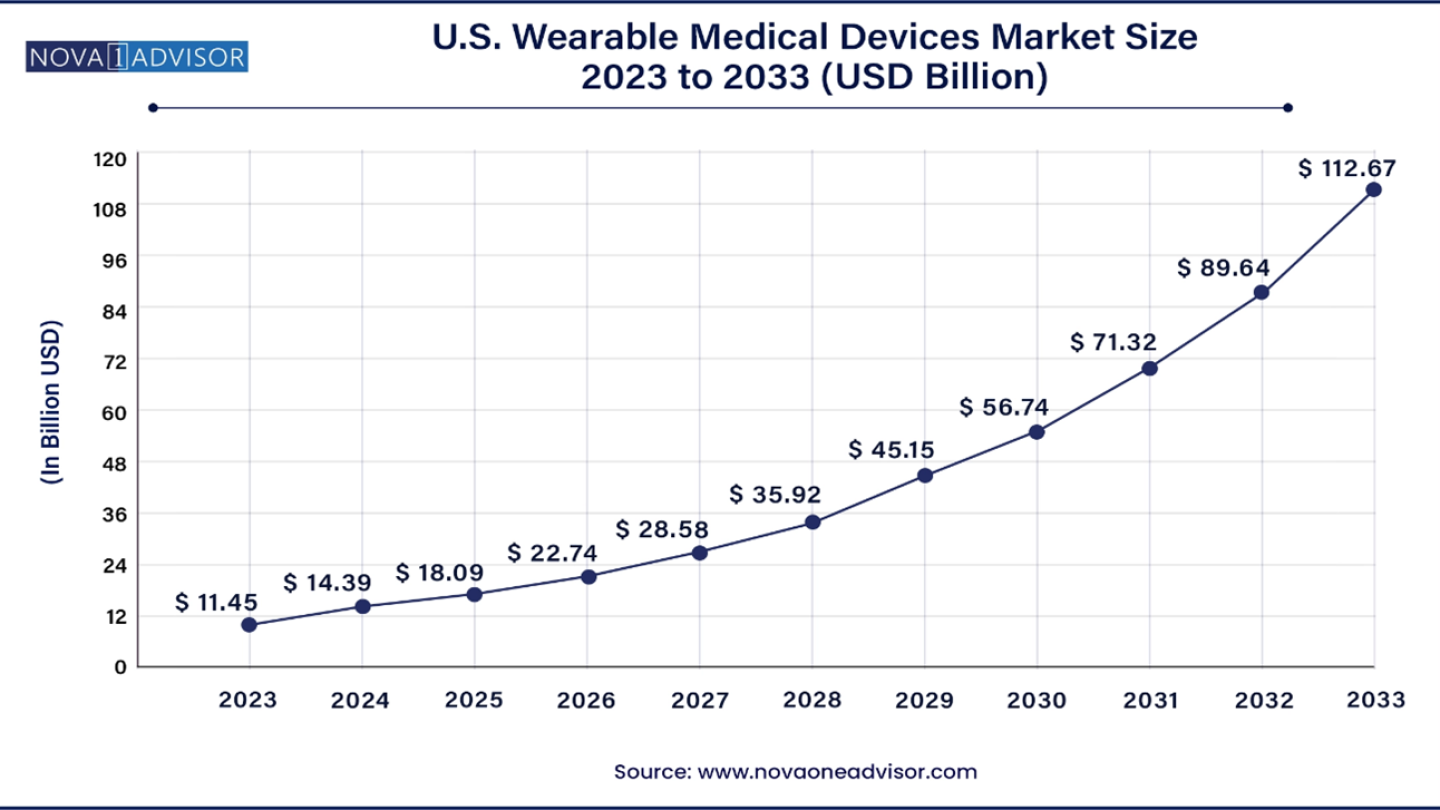
The U.S. wearable medical devices market, currently valued at an estimated $11.45 billion in 2023, is set to experience an astronomical rise to approximately $112.67 billion by 2033.

By |December 3, 2024|Categories: Article, Healthcare, Technology|Tags: |0 Comments

The Future of Real Estate Market: What Lies Ahead?

The real estate market is on the brink of transformation, captivating the attention of buyers, sellers, investors, and industry professionals. As we look toward the end of 2024, experts predict a shift in the landscape, particularly with home prices expected to decline due to increased inventory levels.

By |December 3, 2024|Categories: Article, Market Trends, Real Estate|Tags: , |0 Comments

Bridging the Healthcare Gap in Rural Areas with Telehealth

According to the World Health Organization (WHO), nearly two billion people in rural and remote areas worldwide lack access to essential healthcare solutions. This staggering statistic highlights a critical issue: the digital divide that limits telehealth services, primarily due to inadequate broadband access.

By |December 2, 2024|Categories: Article, Healthcare, Technology|Tags: , |0 Comments

Navigating Ethical Challenges: AI in Healthcare

As AI becomes a staple in medical practice, it carries the risk of reinforcing existing biases entrenched in historical data. These biases can lead to skewed outcomes, particularly affecting marginalized communities such as the LGBTQIA+ and certain ethnic groups.

By |December 2, 2024|Categories: Article, Ethics, Healthcare|Tags: , |0 Comments

New SCLC Biomarkers Enable Advances in Precision Medicine Approaches

A groundbreaking study published in Volume 15 of Oncotarget on October 11, 2024, titled 'Relationship between the expressions of DLL3, ASC1, TTF-1 and Ki-67: First steps of precision medicine at SCLC' showcases pivotal advancements in the fight against small cell lung cancer (SCLC).

By |December 2, 2024|Categories: Article, Cancer Treatment, Medical Research|Tags: , |0 Comments