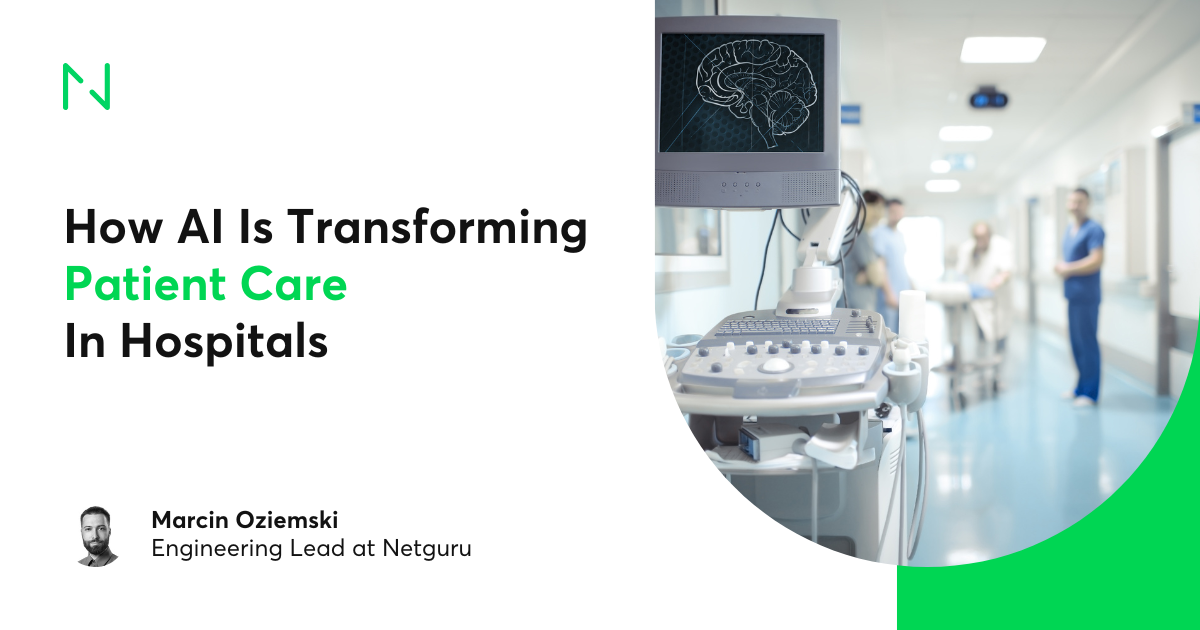
Public Perceptions of AI in Healthcare: A Balancing Act Between Innovation and Ethics

In the rapidly evolving landscape of healthcare, the integration of artificial intelligence (AI) stands as a beacon of both promise and concern. A recent study published in BMC Medical Ethics on June 22, 2024, delves into the public perceptions surrounding AI’s role in patient-centered care. The study, which can be accessed here, highlights both the potential benefits and ethical dilemmas posed by AI in the medical field.
The research underscores a significant tension: while AI has the capability to enhance healthcare delivery, there is palpable unease about its impact on the traditional physician-patient relationship. As AI technologies become more prevalent, concerns about the erosion of personal interactions in healthcare settings have come to the forefront.

Ethical Concerns and Public Perception

The study reveals that a substantial portion of the public remains wary of AI’s involvement in personal healthcare decisions. This apprehension stems from fears of losing the “human touch” that is integral to patient-centered care. The findings align with previous research, such as that by Epstein and Street, which emphasizes the value of empathy and understanding in healthcare interactions.
Moreover, the study calls attention to the lack of oversight and guidance in integrating AI with patient-centered care. This gap in regulation raises ethical questions about transparency, accountability, and patient consent. The need for robust guidelines is echoed in the fundamentals of open access and open research, which advocate for ethical practices in scientific advancements.

Opportunities for AI in Healthcare

Despite these concerns, the potential for AI to support patient care cannot be overlooked. The study highlights how AI can assist in administrative tasks, freeing up healthcare professionals to focus more on patient interactions. This dual role of AI as both a tool and a potential disruptor is a recurring theme in the discourse on AI in healthcare.
To address these challenges, the study suggests a cautious approach to AI integration, emphasizing the importance of maintaining the core principles of patient-centered care. The findings suggest that with proper regulation and ethical considerations, AI can be a valuable ally in the healthcare sector.

Conclusion

As the medical community continues to explore the integration of AI, the balance between innovation and ethics remains crucial. This study serves as a reminder that while technology can drive progress, the human element in healthcare must not be compromised. For a more detailed exploration of these findings, the full article is available here.

More Articles

Getting licensed or staying ahead in your career can be a journey—but it doesn’t have to be overwhelming. Grab your favorite coffee or tea, take a moment to relax, and browse through our articles. Whether you’re just starting out or renewing your expertise, we’ve got tips, insights, and advice to keep you moving forward. Here’s to your success—one sip and one step at a time!

Bridging the Mental Health Care Gap in Rural America with Telehealth

Across the vast landscapes of rural America, a silent crisis brews—one that affects the mental well-being of millions. The shortage of mental health care providers, coupled with geographic isolation, has created a significant gap in mental health services. However, a glimmer of hope emerges through telehealth technology, promising to bridge this divide.

By |November 8, 2024|Categories: Article, Mental Health, Rural Health|Tags: , |0 Comments

Revolutionizing Healthcare: The Role of AI at Dartmouth’s CPHAI

Artificial Intelligence (AI) is on the brink of revolutionizing the healthcare industry, promising to enhance patient care by making it more predictive, preventive, and personalized. Spearheading this transformation is Saeed Hassanpour, PhD, director of the Dartmouth Center for Precision Health and Artificial Intelligence (CPHAI). According to Hassanpour, AI's integration into healthcare will increase efficiency, accessibility, and diagnostic accuracy, fundamentally reshaping the landscape.

Real Estate Market: A Decade of Transformation Awaits

The housing market has been a rollercoaster of skyrocketing prices in recent years, leaving many potential homebuyers feeling overwhelmed. This surge in prices stems from the pandemic-driven migration to suburban areas and historically low interest rates.

AI in Healthcare: Revolutionizing Patient Care and Hospital Efficiency

AI is reshaping patient experience by making healthcare more accessible, efficient, and personalized. Through AI-assisted scheduling, virtual health assistants, and remote monitoring, patients receive care that is tailored to their specific needs, significantly reducing wait times and enhancing overall satisfaction.

By |November 8, 2024|Categories: Article, Healthcare, Technology|Tags: , |0 Comments

Healthcare AI: The Dawn of a New Era

The healthcare industry stands on the precipice of a transformative era, driven by the integration of artificial intelligence (AI) into its core operations.

Visual Technologies: Revolutionizing Healthcare

The integration of visual technologies into healthcare heralds a new era of personalized medicine. These innovations offer unprecedented opportunities for investment and improvement in global health outcomes.

By |November 7, 2024|Categories: Article, Healthcare, Visual Technologies|Tags: , |0 Comments