In a recent report from Realtor.com, down payments have shown a slight decline in the third quarter of 2024, yet they remain near the historic highs seen earlier this year. This shift comes after a peak in the second quarter, a trend influenced by a mix of seasonal forces and economic factors, including fluctuating mortgage rates and market dynamics.
Down Payments Ease but Remain High
The average down payment fell to 14.5% in Q3 2024 from the historical peak of 14.9% in Q2. This represents a modest decrease but still ranks as the third-highest percentage in recent history. The median down payment amount also dropped slightly to $30,300 from $32,700, reflecting the easing competition in the housing market.
Regional Disparities in Down Payment Trends
Regional differences are evident, with the Northeast states experiencing the most significant increases in down payments, while Southern states are witnessing declines. High-priced metros continue to demand larger down payments, but more affordable regions are seeing the most growth. This disparity highlights the ongoing impact of economic dynamics and buyer behavior across the nation.
The Role of Pandemic-Era Savings
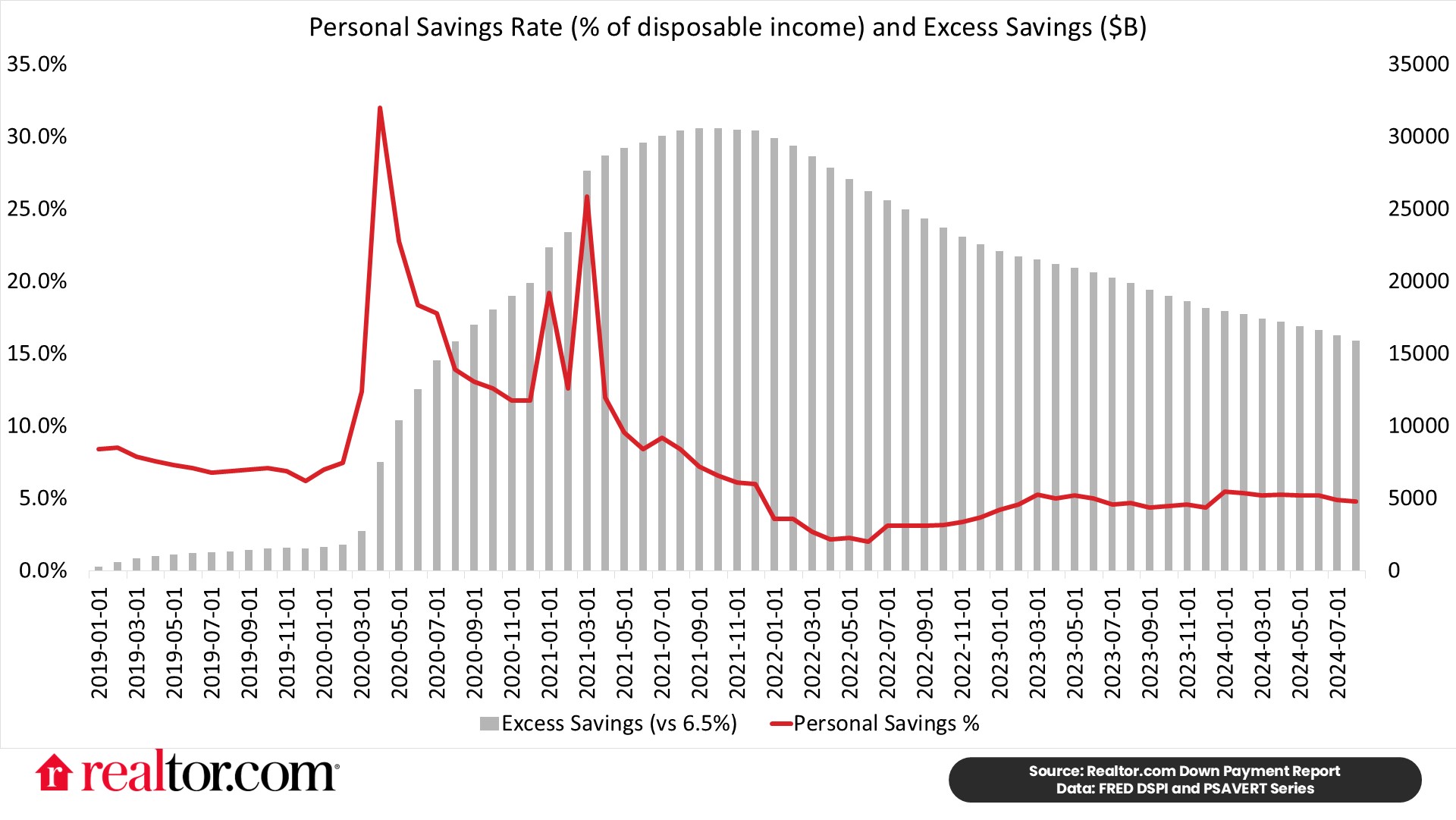
The influence of pandemic-era savings is still felt in the market. During the pandemic, personal savings rates surged, allowing many buyers to afford larger down payments. Although savings rates have since fallen, the accumulated savings continue to support consumer spending and home buying.
Impact of Falling Mortgage Rates
The recent drop in mortgage rates, which began in May and stayed below 7% from June, is expected to further impact down payment trends. As rates continue to fall, potential buyers might hold off in anticipation of even lower rates, or conversely, increased buyer competition could drive down payments upward again.
Primary Residences vs. Investment Properties
Primary residences typically see lower down payments compared to second homes and investment properties, which have down payments nearly double the typical share of primary residences. In dollar terms, down payments for investment and second homes were significantly larger than those for primary residences in Q3 2024.
Future Outlook
As we look ahead, the question remains whether this easing trend will continue or if down payments will climb again due to market conditions. The interplay of mortgage rates, personal savings, and housing market dynamics will continue to shape these trends.
Getting licensed or staying ahead in your career can be a journey—but it doesn’t have to be overwhelming. Grab your favorite coffee or tea, take a moment to relax, and browse through our articles. Whether you’re just starting out or renewing your expertise, we’ve got tips, insights, and advice to keep you moving forward. Here’s to your success—one sip and one step at a time!
Artificial intelligence has shifted from a novelty to a defining force in real estate, transforming everything from listing creation to virtual staging while raising new legal and ethical risks. As AI adoption accelerates, experts warn that the agents who embrace automation and new tools now will gain a major competitive edge, while those who delay could fall behind in a rapidly evolving industry.
As AI and automation reshape the workforce, one form of career protection remains as powerful as ever: earning a state license. From real estate to trades to finance, licensed professionals stay in high demand because their work requires proven competence, accountability and human judgment—qualities technology can enhance but never replace. With trade enrollment surging, investor interest growing and licensing on the rise across the country, credentials have become a reliable path to stability, mobility and long-term earning potential.
A new wave of AI platforms is redefining how real estate agents identify buyer intent, spark conversations, and nurture relationships. From conversational home search engines to predictive opportunity alerts and relationship‑intelligence systems, these tools are helping agents connect sooner and smarter—reshaping daily workflows as the 2026 market approaches.
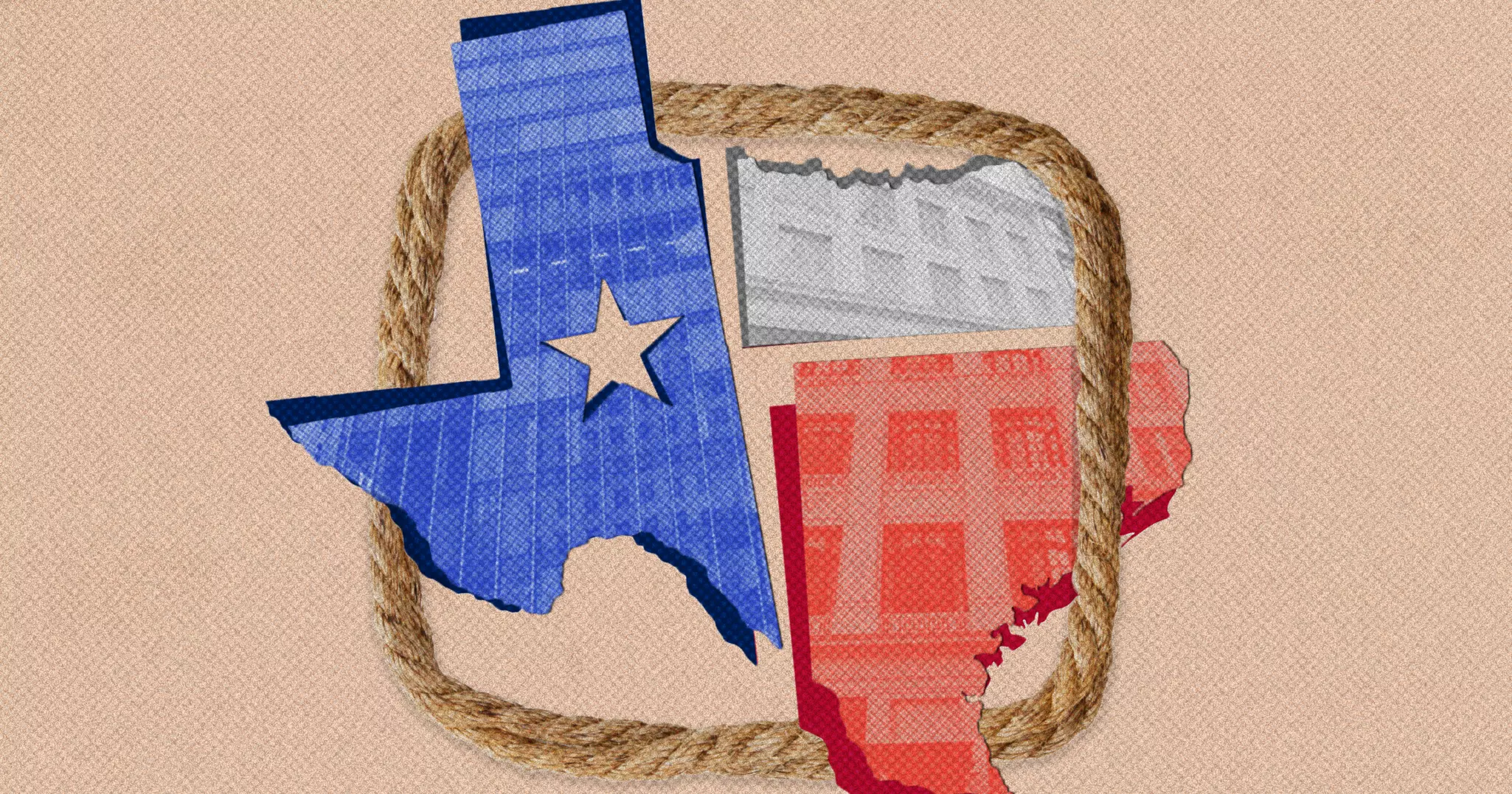
Texas money is riding hard into San Francisco, snapping up distressed downtown buildings at prices not seen in decades. From Union Square to California Street, major players like Lone Star Funds are betting big on the city’s rebound, signaling that the market may have finally hit bottom and that a new wave of opportunity is taking shape for savvy real estate professionals nationwide.
The 2025 holiday season is expected to break the $1 trillion sales mark, but economists say the milestone masks deeper consumer caution, income‑driven spending gaps, and weakening unit sales. Urban Land Magazine’s latest analysis shows how these mixed signals are shaping a selective, uneven landscape for U.S. commercial real estate heading into 2026—where strong locations thrive, weaker assets struggle, and affluent shoppers continue to dictate market performance.
As 2025 ends, the housing market is inching toward balance with slower price growth, rising inventory, and steadier mortgage rates. Experts predict modest 1% to 2% home‑price growth in 2026—not a crash, but a calmer, more predictable market shaped by regional differences. With the Fed easing rates and inventory climbing in key cities, 2026 may become the most buyer‑friendly year in recent memory, especially for those prepared to act when the right home appears.