RE-generative AI: How Technology Can Transform Commercial Real Estate

In the ever-evolving landscape of commercial real estate, a new force is reshaping the industry: generative AI. As reported by Deloitte, real estate firms are increasingly investing in artificial intelligence (AI) and machine learning (ML), with venture capital investments reaching a staggering $7.2 billion since 2017. This surge in funding highlights a growing recognition of AI’s transformative potential.

Since the advent of generative AI in 2021, corporate investment volumes have soared, surpassing $3.5 billion by October 2023. This represents a nearly 50% increase over the total investment from 2018 to 2020, and a 95% surge compared to the three years preceding the pandemic. Real estate investors are particularly interested in AI and ML services for transaction-focused functions, such as property listings, investment and valuation, and real estate data analytics.

Despite these promising trends, the road to AI adoption is not without challenges. Over 60% of respondents to the 2024 commercial real estate outlook survey indicated a reliance on legacy technology infrastructure, posing significant hurdles to integrating emerging technologies like generative AI. This underscores the need for a strategic approach to AI integration, tailored to each firm’s unique requirements.

Generative AI offers a wide array of potential use cases across various real estate functions, including property management, construction, legal due diligence, and architectural design. However, these use cases vary in terms of maturity, ease of adoption, and scalability. While some applications, like contract summarization, are well-validated and easy to implement, others, such as urban planning, remain at a conceptual stage.

Firms considering AI integration must weigh factors such as model customizability, data privacy, and cost implications. Options include:
  • Using existing generative AI applications
  • Integrating third-party APIs
  • Deploying open-source models
  • Developing private large language models (PLLMs) in-house
Each approach has its trade-offs, with considerations for data privacy, implementation costs, and model maintenance.

A human-centric approach to AI is crucial, ensuring that technology enhances rather than replaces the human experience. Real estate firms are increasingly hiring talent with generative AI skillsets, with job postings rising by 64% in 2022 and another 58% through August 2023. Key areas of hiring activity include architectural design, construction management, legal due diligence, and human resources.

However, firms must tread carefully, balancing the promise of AI with the complexities of data strategy, model validation, and organizational culture. Accurate, timely, and comprehensive data is paramount, as generative AI models require market-specific and asset-specific information to reduce the risk of errors and biases.

Ultimately, the adoption of generative AI in real estate is not a one-size-fits-all endeavor. Firms must prioritize high-impact use cases, assess their AI maturity, and ensure a skilled workforce is in place to navigate the challenges ahead. As the industry stands at a pivotal juncture, the mantra is clear: disrupt or be disrupted.

More Articles

Getting licensed or staying ahead in your career can be a journey—but it doesn’t have to be overwhelming. Grab your favorite coffee or tea, take a moment to relax, and browse through our articles. Whether you’re just starting out or renewing your expertise, we’ve got tips, insights, and advice to keep you moving forward. Here’s to your success—one sip and one step at a time!

2025 Commercial Real Estate Outlook: Navigating a New Era

The commercial real estate landscape is on the brink of transformation as leaders seek to navigate the challenges of recent years and position their organizations for future opportunities.

The Emerging Mental Health Crisis Among Healthcare Workers During the COVID-19 Pandemic

The pandemic has ushered in a wave of mental health challenges that affect healthcare workers profoundly. From the onset of COVID-19, these professionals have been at the forefront, facing immense pressure, long hours, and the constant fear of exposure.

By |December 18, 2024|Categories: Article, Healthcare Workers, Mental Health|Tags: , |0 Comments

Ethical Concerns of Large Language Models in Healthcare

Exploring the dual nature of LLMs offers substantial benefits in healthcare but also raises significant ethical concerns, underscoring the need for well-defined guidelines and human oversight.

The Role of Wearable Devices in Chronic Disease Monitoring and Patient Care: A Comprehensive Review

Wearable devices have become integral in managing chronic conditions by providing continuous health data, empowering patients and healthcare professionals with insights that were previously unattainable.

AI Training Mandates: Navigating Legal Waters in Dentistry

The integration of artificial intelligence (AI) into dental practices is more than a technological trend; it represents a seismic shift in the industry. This transformation is reshaping skill sets and prompting a thorough examination of legal and ethical implications.

By |December 17, 2024|Categories: Article, Legal, Technology|Tags: , |0 Comments

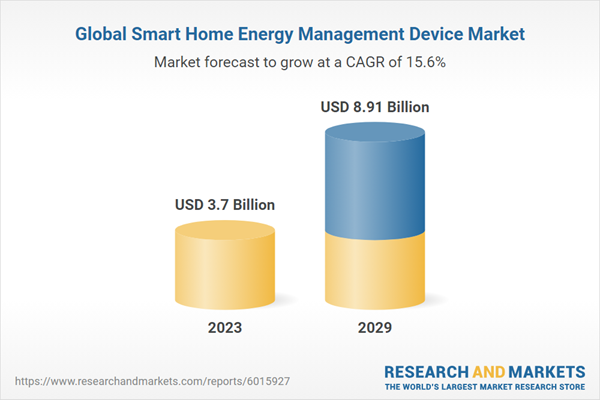
Smart Home Energy Management Devices: A Market Poised for Growth

The Global Smart Home Energy Management Device Market is on the brink of a significant transformation, driven by escalating demands for energy-efficient solutions and the increasing adoption of smart home technologies.