RE-generative AI: How Technology Can Transform Commercial Real Estate
In the ever-evolving landscape of
commercial real estate, a new force is reshaping the industry:
generative AI. As
reported by Deloitte, real estate firms are increasingly investing in
artificial intelligence (AI) and
machine learning (ML), with venture capital investments reaching a staggering $7.2 billion since 2017. This surge in funding highlights a growing recognition of AI’s transformative potential.
Since the advent of
generative AI in 2021, corporate investment volumes have soared, surpassing $3.5 billion by October 2023. This represents a nearly 50% increase over the total investment from 2018 to 2020, and a 95% surge compared to the three years preceding the pandemic. Real estate investors are particularly interested in AI and ML services for transaction-focused functions, such as property listings, investment and valuation, and real estate data analytics.
Despite these promising trends, the road to AI adoption is not without challenges. Over 60% of respondents to the 2024
commercial real estate outlook survey indicated a reliance on legacy technology infrastructure, posing significant hurdles to integrating emerging technologies like
generative AI. This underscores the need for a strategic approach to AI integration, tailored to each firm’s unique requirements.
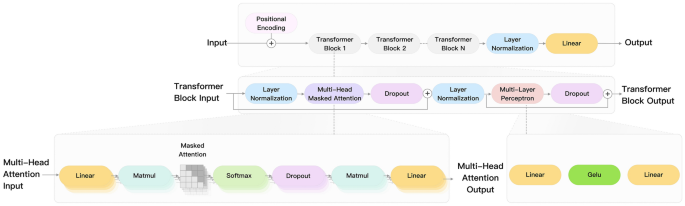
Generative AI offers a wide array of potential use cases across various real estate functions, including property management, construction, legal due diligence, and architectural design. However, these use cases vary in terms of maturity, ease of adoption, and scalability. While some applications, like contract summarization, are well-validated and easy to implement, others, such as urban planning, remain at a conceptual stage.
Firms considering AI integration must weigh factors such as model customizability, data privacy, and cost implications. Options include:
- Using existing generative AI applications
- Integrating third-party APIs
- Deploying open-source models
- Developing private large language models (PLLMs) in-house
Each approach has its trade-offs, with considerations for data privacy, implementation costs, and model maintenance.
A human-centric approach to AI is crucial, ensuring that technology enhances rather than replaces the human experience. Real estate firms are increasingly hiring talent with
generative AI skillsets, with job postings rising by 64% in 2022 and another 58% through August 2023. Key areas of hiring activity include architectural design, construction management, legal due diligence, and human resources.
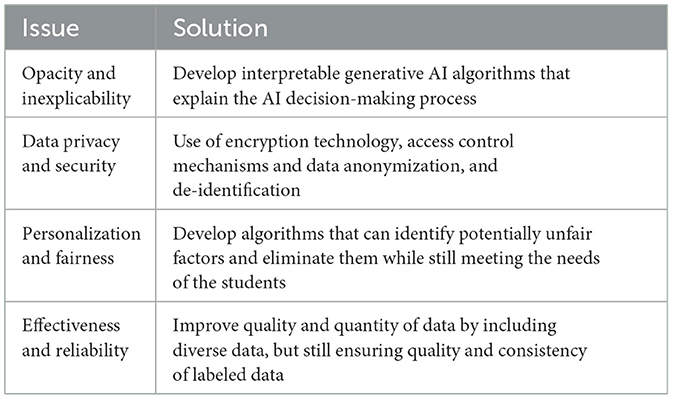
However, firms must tread carefully, balancing the promise of AI with the complexities of data strategy, model validation, and organizational culture. Accurate, timely, and comprehensive data is paramount, as
generative AI models require market-specific and asset-specific information to reduce the risk of errors and biases.
Ultimately, the adoption of
generative AI in real estate is not a one-size-fits-all endeavor. Firms must prioritize high-impact use cases, assess their AI maturity, and ensure a skilled workforce is in place to navigate the challenges ahead. As the industry stands at a pivotal juncture, the mantra is clear: disrupt or be disrupted.