“`html

Real Estate Agents in North Carolina Help Reduce Lung Cancer Through Radon Testing

In a significant stride towards public health, real estate agents in North Carolina are now equipped to play a crucial role in reducing lung cancer rates through radon testing. The initiative, spearheaded by the North Carolina Comprehensive Cancer Control Program in collaboration with the North Carolina Radon Program, introduces a new educational course for real estate agents. This course emphasizes the dangers of radon, a naturally occurring gas that is the second leading cause of lung cancer in the United States, and underscores the importance of testing homes for radon.
Radon Awareness: A Statewide Concern While cigarette smoke remains the primary cause of lung cancer, radon follows closely as a significant contributor. Despite common misconceptions that radon is only a concern in North Carolina’s mountainous areas, it is, in fact, a statewide issue. Radon is an invisible, tasteless, and odorless gas that can infiltrate homes through cracks and build up to dangerous levels. The only way to detect its presence is through testing. Alarmingly, radon-related lung cancer claims approximately 400 lives annually in North Carolina alone.
Empowering Real Estate Agents Most home buyers and sellers rely on real estate agents, making them pivotal in educating the public about radon risks. Recognizing this, the comprehensive cancer control program, along with the radon program, developed a continuing education course tailored for these professionals. The course, first offered in 2021, covers how radon enters homes, testing procedures, and the health risks associated with high radon levels. Agents are also taught how to guide clients in hiring professionals to mitigate radon issues if detected.
The course has proven effective, with participants showing a marked improvement in their understanding of radon—from an average score of 67% before the course to 88% after completion. By increasing awareness and testing, the program aims to reduce radon-induced lung cancer cases across the state.
Expanding the Initiative Nationwide The success of this initiative in North Carolina has inspired plans to extend similar educational programs nationwide. The development of a “Radon in Real Estate” toolkit is underway, providing other states with resources and guidance to implement their own courses. This toolkit will include step-by-step instructions, resources, and potential partnerships, enabling real estate agents across the country to educate home buyers about the benefits of radon testing.
For more information on radon and testing procedures, visit the CDC’s pages on Radon and Radon Testing. To explore related success stories, check out the Success Stories Page.
“`

More Articles

Getting licensed or staying ahead in your career can be a journey—but it doesn’t have to be overwhelming. Grab your favorite coffee or tea, take a moment to relax, and browse through our articles. Whether you’re just starting out or renewing your expertise, we’ve got tips, insights, and advice to keep you moving forward. Here’s to your success—one sip and one step at a time!

Florida Homeowners See Major Spring Insurance Savings as Market Finally Stabilizes

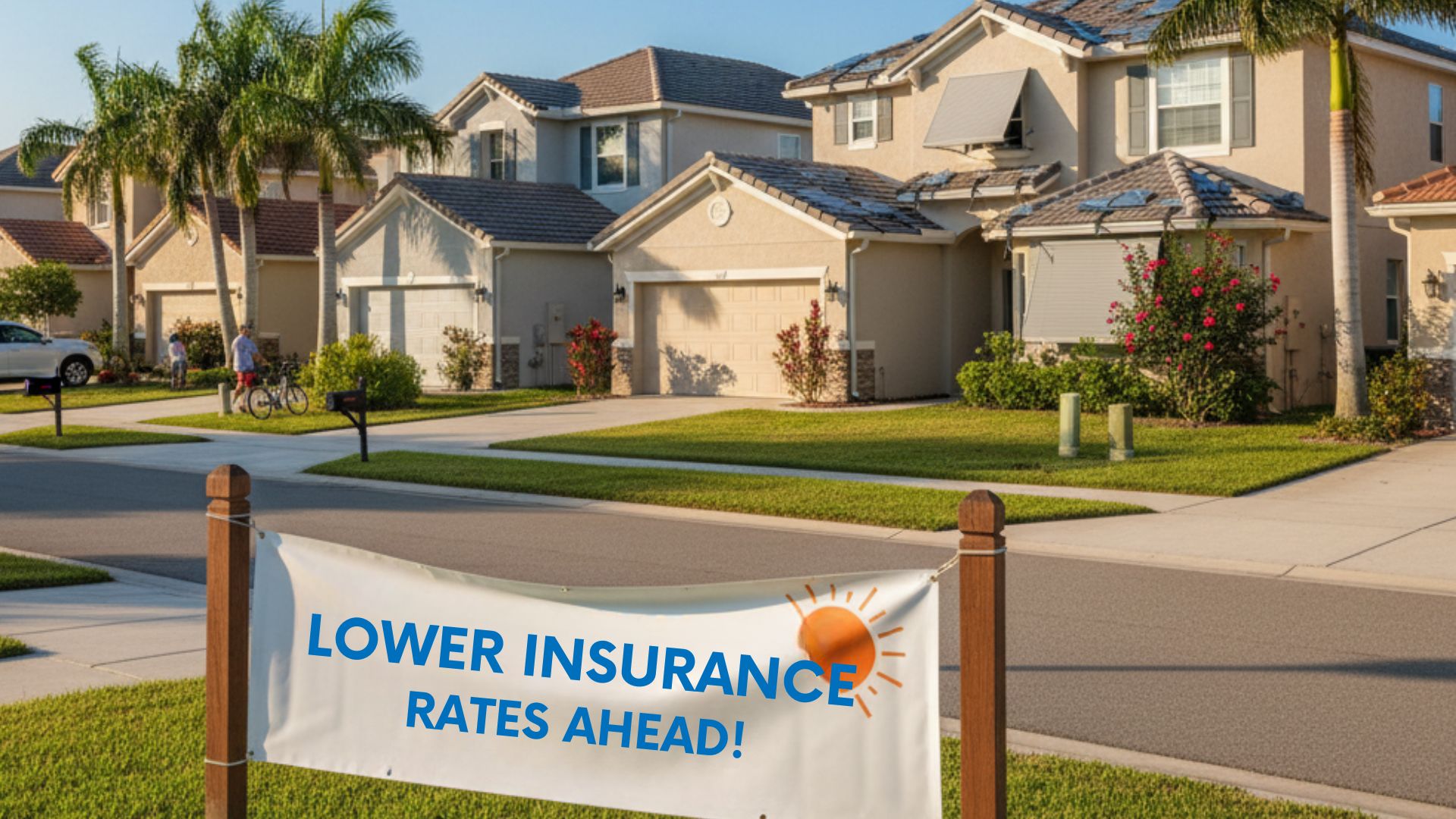
Florida homeowners are getting long‑awaited relief this spring as insurance premiums drop across the state, with some counties seeing reductions of up to 14 percent. After years of skyrocketing rates and insurer withdrawals, a series of legislative reforms has attracted new companies, reduced lawsuits, and restored competition—leading to lower costs for more than 330,000 Citizens policyholders and multiple private‑market rate cuts. This shift is boosting not only homeowners, but also Florida’s broader economy and real estate market, offering valuable insights for professionals in real estate, insurance, mortgage, and finance.

AI Listing Images Are Creating a New Trust Problem in Real Estate

Artificial intelligence has transformed real estate marketing by making it easy to generate polished, digitally enhanced listing photos. But as AI tools increasingly replace reality with idealized versions of homes, a new issue has emerged: housefishing. Buyers and renters are showing up to properties that look nothing like the online images, leading regulators to step in and require transparency. With laws like California’s newly enacted Assembly Bill 723, the industry is being pushed toward clearer labeling and ethical use of AI. As trust becomes a growing concern, real estate professionals must balance innovation with accuracy to stay compliant and credible.

Massachusetts Moves to Strengthen Fair Housing Training for Real Estate Agents

Massachusetts has unanimously advanced bill S.2947, a major push to curb housing discrimination by expanding fair housing education requirements for real estate agents. The proposal increases training hours for both current and future licensees and doubles penalties for violations, marking a significant shift toward stronger consumer protections and higher professional standards across the state’s housing market.

How Rising Energy Costs Are Quietly Reshaping the Hudson Valley Real Estate Market

Energy costs have moved from a background expense to a major force influencing affordability, property values, and development across the Hudson Valley. Aging housing stock, grid constraints, and rising utility bills are reshaping both residential and commercial real estate decisions—rewarding energy‑efficient properties and pressuring households already struggling to balance essential expenses.

How AI Is Becoming the New Power Tool for Real Estate Professionals

AI is transforming the daily workflow of real estate pros by speeding up marketing, simplifying client communication, and sharpening pricing strategies. As highlighted in an NBC 6 feature, agents are using AI to draft listing descriptions, generate social media content, organize inquiries, and analyze market data in minutes. Whether you're new to the industry or an experienced agent, AI is quickly becoming an essential tool for working smarter and staying competitive.

14-Hour CE Renewal for Florida Real Estate: Choose Your Learning Style