“`html

Real Estate Agents in North Carolina Help Reduce Lung Cancer Through Radon Testing

In a significant stride towards public health, real estate agents in North Carolina are now equipped to play a crucial role in reducing lung cancer rates through radon testing. The initiative, spearheaded by the North Carolina Comprehensive Cancer Control Program in collaboration with the North Carolina Radon Program, introduces a new educational course for real estate agents. This course emphasizes the dangers of radon, a naturally occurring gas that is the second leading cause of lung cancer in the United States, and underscores the importance of testing homes for radon.
Radon Awareness: A Statewide Concern While cigarette smoke remains the primary cause of lung cancer, radon follows closely as a significant contributor. Despite common misconceptions that radon is only a concern in North Carolina’s mountainous areas, it is, in fact, a statewide issue. Radon is an invisible, tasteless, and odorless gas that can infiltrate homes through cracks and build up to dangerous levels. The only way to detect its presence is through testing. Alarmingly, radon-related lung cancer claims approximately 400 lives annually in North Carolina alone.
Empowering Real Estate Agents Most home buyers and sellers rely on real estate agents, making them pivotal in educating the public about radon risks. Recognizing this, the comprehensive cancer control program, along with the radon program, developed a continuing education course tailored for these professionals. The course, first offered in 2021, covers how radon enters homes, testing procedures, and the health risks associated with high radon levels. Agents are also taught how to guide clients in hiring professionals to mitigate radon issues if detected.
The course has proven effective, with participants showing a marked improvement in their understanding of radon—from an average score of 67% before the course to 88% after completion. By increasing awareness and testing, the program aims to reduce radon-induced lung cancer cases across the state.
Expanding the Initiative Nationwide The success of this initiative in North Carolina has inspired plans to extend similar educational programs nationwide. The development of a “Radon in Real Estate” toolkit is underway, providing other states with resources and guidance to implement their own courses. This toolkit will include step-by-step instructions, resources, and potential partnerships, enabling real estate agents across the country to educate home buyers about the benefits of radon testing.
For more information on radon and testing procedures, visit the CDC’s pages on Radon and Radon Testing. To explore related success stories, check out the Success Stories Page.
“`

More Articles

Getting licensed or staying ahead in your career can be a journey—but it doesn’t have to be overwhelming. Grab your favorite coffee or tea, take a moment to relax, and browse through our articles. Whether you’re just starting out or renewing your expertise, we’ve got tips, insights, and advice to keep you moving forward. Here’s to your success—one sip and one step at a time!

Unlocking Real Estate Wealth in 2025: Strategies for Success

Step into 2025, where the real estate market emerges as a resilient beacon amidst economic unpredictability. Investors are increasingly drawn to secondary cities like Austin and Manchester, attracted by their growth potential, affordability, and enhanced quality of life.

By |February 18, 2025|Categories: Article, Investment Strategies, Real Estate|Tags: , |0 Comments

AI and Urbanization Drive Home Services Market Growth

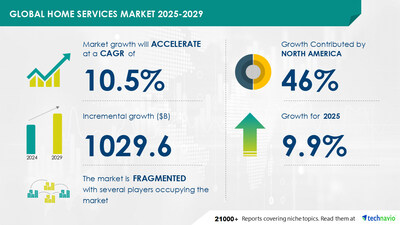
The global home services market is poised for significant growth, with projections indicating an increase of USD 1.03 trillion from 2025 to 2029. This forecasted expansion is attributed to increasing urbanization and the transformative impact of AI on market trends, according to a recent report by Technavio.

Decoding the U.S. Housing Crisis: A Study of Historic Policy Missteps and Demographic Shift

In a revealing study by USC, the roots of the current housing crisis in the United States are traced back to policy missteps and demographic changes that have been unfolding since the early 2000s. The study highlights how these factors have left millennials and people of color disproportionately affected.

Best Real Estate Crowdfunding Platforms for February 2025: Investopedia’s Top Picks

Fundrise stands out for offering investors a chance to diversify their portfolios with real estate exposure through proprietary funds. With a minimum investment as low as $10, it opens doors to beginners and seasoned investors alike.

Top Real Estate Investment Apps of 2025: A Guide for First-Time and Experienced Investors

Business Insider has reviewed a range of platforms available in 2025, focusing on key factors like fees, accessibility for accredited vs. non-accredited investors, and the types of real estate investments offered.