Real Estate Agents in North Carolina Take Action Against Lung Cancer

In a groundbreaking initiative, the North Carolina Comprehensive Cancer Control Program has partnered with the state’s Radon Program to combat the silent threat of radon, the second leading cause of lung cancer in the United States. This collaboration has led to the creation of a continuing education course specifically tailored for real estate agents, aiming to educate them on the risks of radon infiltration in homes.

Radon, a naturally occurring gas, seeps into buildings through cracks and holes, posing a significant health risk when accumulated. The course, first introduced in 2021, has already demonstrated success, with participating agents showing a marked improvement in their understanding of radon, as their test scores increased from 67% to 88%.

Empowering Real Estate Agents

Real estate agents play a crucial role in this initiative, as they are often the first point of contact for home buyers and sellers. By equipping these professionals with knowledge about radon testing and mitigation, the program aims to increase the number of homes tested for radon during real estate transactions. Sarah Arthur, program coordinator for the North Carolina Comprehensive Cancer Control Program, emphasized, “To encourage more people to get their home tested for radon, we felt the best first step was at the point of sale.”

The course not only educates agents on how radon can enter a home but also guides them in advising clients on hiring professionals to address high radon levels. This proactive approach is a significant step forward in reducing lung cancer cases attributed to radon exposure in North Carolina.

Expanding the Reach

Looking beyond state borders, the North Carolina programs are planning to develop a toolkit to help other states implement similar educational resources. This initiative aims to foster a nationwide effort to educate real estate agents about the dangers of radon, thereby promoting wider awareness and action.

As the program continues to evolve, it stands as a testament to the power of education in public health. By targeting real estate agents, the initiative not only raises awareness but also empowers professionals to make informed decisions that could save lives.


More Articles

Getting licensed or staying ahead in your career can be a journey—but it doesn’t have to be overwhelming. Grab your favorite coffee or tea, take a moment to relax, and browse through our articles. Whether you’re just starting out or renewing your expertise, we’ve got tips, insights, and advice to keep you moving forward. Here’s to your success—one sip and one step at a time!

AI in Medical Diagnosis: Revolutionizing Healthcare Standards

"AI and machine learning are emerging as powerful technologies to address this issue, improving the accuracy of medical diagnosis and revolutionizing healthcare with their myriad applications."

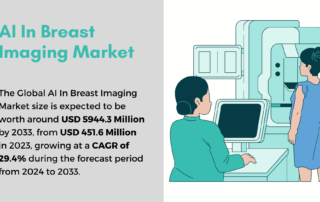
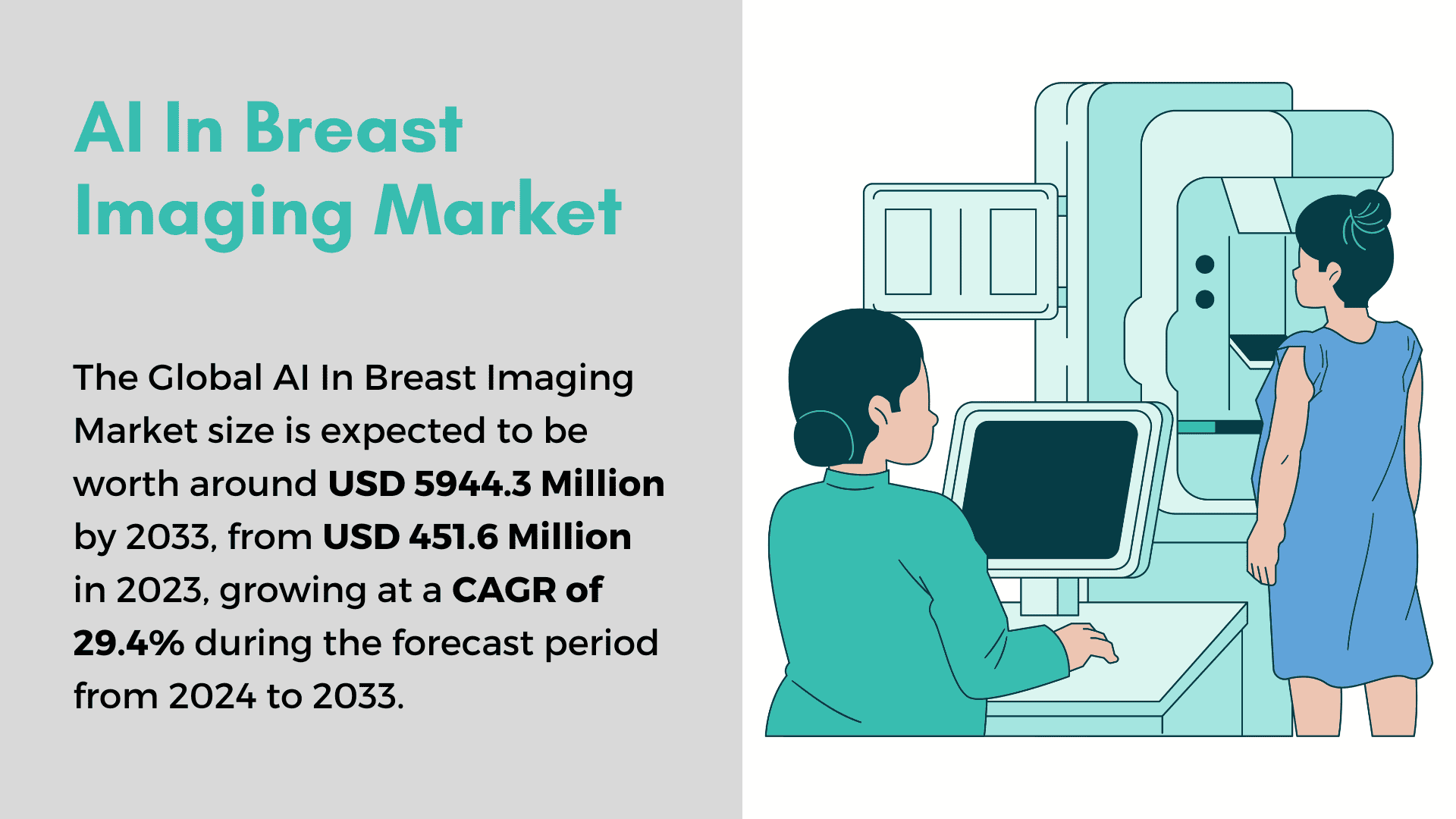
AI in Breast Imaging Market Set for Explosive Growth

The global AI in breast imaging market is on a remarkable growth trajectory, projected to swell from USD 451.6 million in 2023 to an impressive USD 5944.3 million by 2033. This represents a compound annual growth rate (CAGR) of 29.4%, primarily driven by cutting-edge advancements in AI technologies that significantly enhance diagnostic accuracy, facilitate early detection, and boost healthcare efficiency.

Virtual Real Estate: Navigating Investments in Metaverse Platforms

Virtual real estate in metaverses is becoming a focal point for investors worldwide, with digital plots of land mirroring traditional real estate value based on location, size, and platform popularity.

The Transformative Power of AI in In-Vitro Diagnostics

Artificial intelligence (AI) and machine learning are at the forefront of revolutionizing in-vitro diagnostic (IVD) tools, redefining diagnostics and enhancing healthcare outcomes on multiple fronts.

The Future of Life Sciences: A Vision for 2030

As we edge closer to 2030, the life sciences industry stands on the threshold of transformative changes. With a global valuation exceeding $2 trillion, the sector is poised for significant growth, driven by technological advancements and an aging population.

Telehealth: A Boon for Patients, A Challenge for Rural Hospitals

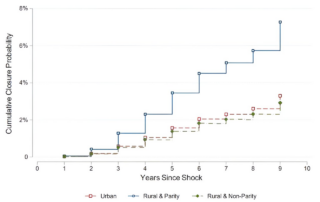
The advent of telehealth has revolutionized the way patients, particularly those in rural areas, access health care. By offering remote consultations and follow-up care, telehealth provides a convenient alternative to traveling long distances to urban hospitals. However, this technological advancement brings with it a set of challenges that could reshape the rural health care landscape.

By |December 20, 2024|Categories: Article, Health/Medicine, Technology|Tags: , |0 Comments