Real Estate Commission Changes: A New Era for Homebuyers and Sellers
The real estate landscape is undergoing a significant transformation following a landmark lawsuit settlement by the National Association of Realtors (NAR) in March 2024. The new regulations, which took effect on August 17, 2024, have stirred a mix of reactions across the industry. While some predict a competitive price war that could drive down commissions, others worry that the changes might deter buyers from using agents altogether due to increased costs.
What Changed?
Under the new rules, listing agents can no longer make offers of compensation to buy-side agents on any NAR-affiliated multiple listing service (MLS). Additionally, a buyer’s agent must now have a written contract with a home shopper, clearly specifying their fee, before showing them any property. This shift aims to bring greater transparency to the process, ensuring homebuyers are fully aware of how much they’re paying for an agent’s services.
Impact on Commissions
Despite the anticipated upheaval, the effects have been relatively muted as of early 2025. According to Redfin reports, the average buyer’s agent commission has barely changed, hovering around 2.37 percent in the fourth quarter of 2024. This slight adjustment reflects a modest decrease from 2.45 percent a year earlier.
Good or Bad for Consumers?
The new regulations have sparked debate over their impact on consumers. Some industry experts foresee a “buy-side price war” that could benefit homebuyers, allowing them to shop around for agents similarly to how they compare mortgage lenders. However, others caution that the added complexity may prolong the homebuying process as buyers, sellers, and agents negotiate fees and responsibilities.
Challenges for First-Time Buyers
First-time homebuyers, already burdened by high prices and mortgage rates, may face additional challenges under the new structure. Without the option to roll commission costs into their mortgages, many may struggle to afford professional representation. The industry is urging the Federal Housing Finance Agency to allow these costs to be included in mortgage financing to alleviate the financial strain on new buyers.
Options for Sellers
For sellers looking to save on commissions, alternative options are available. They can opt for a for sale by owner transaction, negotiate commission rates with agents, hire a low-commission real estate agent, or sell to a cash-homebuying company.
In conclusion, while the real estate commission changes are designed to enhance transparency and competition, their long-term effects on the market remain to be seen. As the industry adjusts to these new dynamics, both homebuyers and sellers must navigate the evolving landscape with careful consideration of their options and potential costs.
For a more in-depth analysis, refer to the original article on Bankrate.
More Articles
Getting licensed or staying ahead in your career can be a journey—but it doesn’t have to be overwhelming. Grab your favorite coffee or tea, take a moment to relax, and browse through our articles. Whether you’re just starting out or renewing your expertise, we’ve got tips, insights, and advice to keep you moving forward. Here’s to your success—one sip and one step at a time!
Among the bustling cities, New York, NY, stands out, capturing 3.4% of the total online traffic. This is followed by Dallas, TX (2.7%), Chicago, IL (2.6%), Miami, FL (2.5%), and Tampa, FL (1.9%). These cities have emerged as hotspots for prospective homebuyers, reflecting a high level of interest and potential market growth.
In a significant move to bolster consumer protections in the mortgage sector, Texas has enacted new regulations aimed at enhancing transparency and accountability among mortgage lenders and servicers.
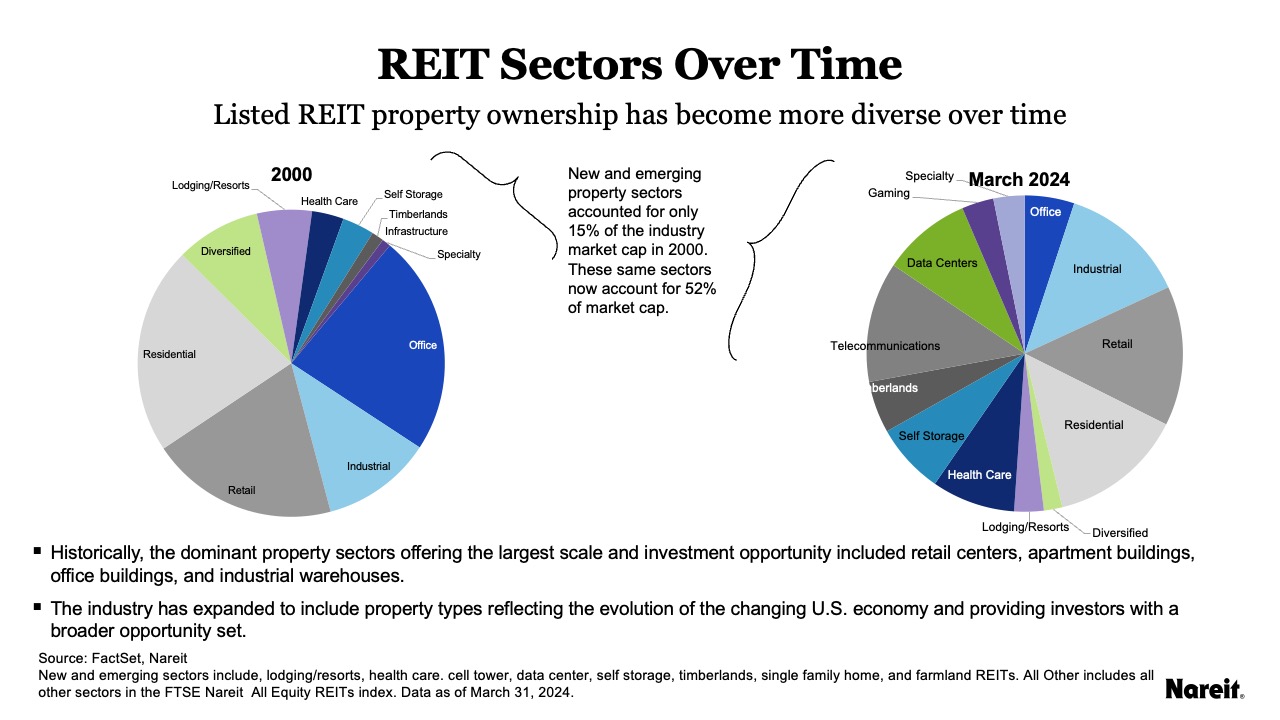
In the world of retirement planning, the integration of underrepresented asset classes into defined contribution (DC) plans is gaining momentum. For decades, defined benefit (DB) pension plans have successfully leveraged real estate within their investment portfolios. Now, DC plans are following suit, largely through the use of Real Estate Investment Trusts (REITs).
REITs have democratized real estate investment, allowing individuals to invest in diverse property portfolios with the same ease as purchasing stocks. The beauty of REITs lies in their ability to transform traditionally illiquid assets into liquid ones, offering investors both liquidity and diversification.
As economic uncertainty continues to cast a shadow over global markets, investors are increasingly seeking strategies to safeguard and grow their wealth.
In a bold move set to transform the real estate sector, EstateSlice NFT is leveraging blockchain technology to break down traditional barriers to property investment.

 What Changed?