Real Estate Farming: A Comprehensive Guide
Unlock the Power of Personalized Marketing in Real Estate
Welcome to our comprehensive guide on real estate farming. This article will delve into the concept of real estate farming and how it can significantly enhance your marketing strategy as a real estate agent. Discover the power of personalized marketing techniques, such as handwritten notes, to establish yourself as a local expert and build strong relationships with potential clients.
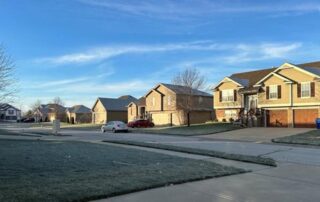
Real estate farming is a location-focused marketing strategy that involves targeting a specific neighborhood or area to establish yourself as an expert in that market. By focusing your efforts on a particular geographic area, you can become the go-to realtor for residents in that community.
In this guide, we will provide you with valuable insights, tips, and strategies for successful real estate farming. Whether you’re just starting or looking to enhance your existing farming efforts, this guide will help you take your real estate business to the next level.
What is Real Estate Farming?
Real estate farming is a location-focused marketing strategy that helps realtors establish themselves as experts in their target area. The goal is to become the first person residents think of when they have real estate needs in that specific neighborhood or community.

Unlocking the Power of Handwritten Notes
One of the most effective and personal ways to engage with potential clients in real estate farming is through handwritten notes. These notes create a lasting impression and help you stand out in a competitive market.
- Handwritten notes resemble human writing and convey a personal touch that digital communication lacks.
- Printed notes with handwritten signatures add a personal element while maintaining efficiency.
- AI-based handwritten notes offer a scalable solution for reaching a wider audience.
By incorporating handwritten notes into your real estate farming strategy, you can build trust, foster relationships, and increase your chances of converting leads into clients.

Reaping the Advantages of Handwritten Cards
Handwritten cards offer numerous advantages in real estate farming, including:
- Building trust and value with potential clients
- Reaching a wider audience and increasing referrals
- Fostering genuine human relationships
- Landing in the hands of influential people in the community
There are various scenarios where handwritten cards can be effectively used, such as saying thank you, generating leads, consoling clients after failed deals, and celebrating anniversaries.

Top Tips for Incorporating Handwritten Notes
To effectively incorporate handwritten notes into your real estate marketing strategy, consider the following tips:
- Build a good geo farm by focusing on a specific neighborhood or area.
- Be patient and consistent in your efforts.
- Include stamps and business cards with your handwritten notes.
- Utilize QR codes to provide easy access to your contact information.
- Ensure your message is personalized and relevant to the recipient.
By following these tips, you can maximize the impact of your handwritten notes and establish yourself as a trusted real estate professional in your target market.
Conclusion
Real estate farming is a powerful strategy that can help you establish yourself as a local expert and build strong relationships with potential clients. By incorporating personalized marketing techniques, such as handwritten notes, you can differentiate yourself from the competition and increase your chances of success.
Remember to be patient, consistent, and genuine in your efforts. Real estate farming takes time, but the long-term benefits are worth it. Start implementing these strategies today and watch your real estate business thrive.
Ready to Take Your Real Estate Farming to the Next Level?
At Cameron Academy, we offer a comprehensive real estate farming course designed to help you succeed in your farming efforts. Our innovative, interactive learning experience is tailored to each individual’s specific needs and goals, providing you with the highest quality of career education courses available.
Sign up today and you’ll be one step closer towards achieving the career success you deserve!
Discover More About Our Real Estate Farming Course
Visit our website to learn more about our real estate farming course and how it can benefit your career:
Get Started Now