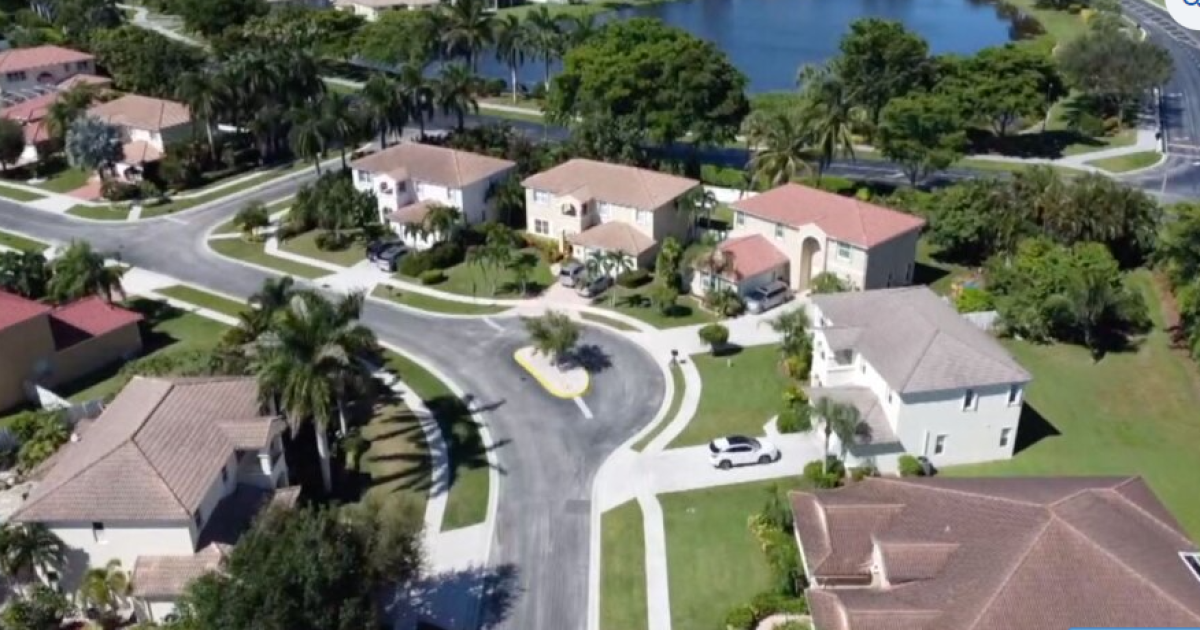
Real estate farming image

Real Estate Farming: A Comprehensive Guide

Unlock the Power of Personalized Marketing in Real Estate

Welcome to our comprehensive guide on real estate farming. This article will delve into the concept of real estate farming and how it can significantly enhance your marketing strategy as a real estate agent. Discover the power of personalized marketing techniques, such as handwritten notes, to establish yourself as a local expert and build strong relationships with potential clients.

Real estate farming is a location-focused marketing strategy that involves targeting a specific neighborhood or area to establish yourself as an expert in that market. By focusing your efforts on a particular geographic area, you can become the go-to realtor for residents in that community.

In this guide, we will provide you with valuable insights, tips, and strategies for successful real estate farming. Whether you’re just starting or looking to enhance your existing farming efforts, this guide will help you take your real estate business to the next level.

What is Real Estate Farming?

Real estate farming is a location-focused marketing strategy that helps realtors establish themselves as experts in their target area. The goal is to become the first person residents think of when they have real estate needs in that specific neighborhood or community.

Handwritten notes in real estate farming

Unlocking the Power of Handwritten Notes

One of the most effective and personal ways to engage with potential clients in real estate farming is through handwritten notes. These notes create a lasting impression and help you stand out in a competitive market.

  • Handwritten notes resemble human writing and convey a personal touch that digital communication lacks.
  • Printed notes with handwritten signatures add a personal element while maintaining efficiency.
  • AI-based handwritten notes offer a scalable solution for reaching a wider audience.

By incorporating handwritten notes into your real estate farming strategy, you can build trust, foster relationships, and increase your chances of converting leads into clients.

Advantages of handwritten cards in real estate farming

Reaping the Advantages of Handwritten Cards

Handwritten cards offer numerous advantages in real estate farming, including:

  • Building trust and value with potential clients
  • Reaching a wider audience and increasing referrals
  • Fostering genuine human relationships
  • Landing in the hands of influential people in the community

There are various scenarios where handwritten cards can be effectively used, such as saying thank you, generating leads, consoling clients after failed deals, and celebrating anniversaries.

Tips for incorporating handwritten notes into a real estate marketing strategy

Top Tips for Incorporating Handwritten Notes

To effectively incorporate handwritten notes into your real estate marketing strategy, consider the following tips:

  • Build a good geo farm by focusing on a specific neighborhood or area.
  • Be patient and consistent in your efforts.
  • Include stamps and business cards with your handwritten notes.
  • Utilize QR codes to provide easy access to your contact information.
  • Ensure your message is personalized and relevant to the recipient.

By following these tips, you can maximize the impact of your handwritten notes and establish yourself as a trusted real estate professional in your target market.

Conclusion

Real estate farming is a powerful strategy that can help you establish yourself as a local expert and build strong relationships with potential clients. By incorporating personalized marketing techniques, such as handwritten notes, you can differentiate yourself from the competition and increase your chances of success.

Remember to be patient, consistent, and genuine in your efforts. Real estate farming takes time, but the long-term benefits are worth it. Start implementing these strategies today and watch your real estate business thrive.

Real estate farming image

Ready to Take Your Real Estate Farming to the Next Level?

At Cameron Academy, we offer a comprehensive real estate farming course designed to help you succeed in your farming efforts. Our innovative, interactive learning experience is tailored to each individual’s specific needs and goals, providing you with the highest quality of career education courses available.

Sign up today and you’ll be one step closer towards achieving the career success you deserve!

Discover More About Our Real Estate Farming Course

Visit our website to learn more about our real estate farming course and how it can benefit your career:

Get Started Now


More Articles

Getting licensed or staying ahead in your career can be a journey—but it doesn’t have to be overwhelming. Grab your favorite coffee or tea, take a moment to relax, and browse through our articles. Whether you’re just starting out or renewing your expertise, we’ve got tips, insights, and advice to keep you moving forward. Here’s to your success—one sip and one step at a time!

Illinois Launches 2026 With 200+ New Laws Reshaping Work, Healthcare, and Education

Illinois kicked off the new year with more than 200 laws taking effect, impacting professionals across healthcare, insurance, real estate, education, and other regulated industries. From major healthcare coverage expansions to new AI hiring limits, enhanced worker protections, school safety reforms, and upgraded public‑safety standards, nearly every sector will see meaningful changes. As compliance expectations grow, institutions like Cameron Academy help professionals stay prepared and career‑ready in an evolving regulatory landscape.

Why Distressed Properties Could Become the Top Commercial Real Estate Opportunity of 2026

As commercial real estate moves beyond two turbulent years, 2026 is emerging as a year of growth for professionals who know where to look. According to First American economist Xander Snyder, the biggest wins may come not from booming sectors but from distressed properties—especially those with short‑term issues that can recover with creative financing, recapitalization, or strategic repositioning. Multifamily distress, selective office restructuring, and the rise of non‑QM lending are setting the stage for brokers, investors, and new licensees to capitalize on flexible deal‑making and evolving market conditions.

2026 Becomes America’s Housing Turning Point

Housing is taking over the national spotlight in 2026, with federal leaders, big‑city mayors, and market professionals all zeroing in on affordability, supply, and sweeping policy changes. From President Trump’s promised reform agenda to looming Section 8 funding risks and aggressive city‑level zoning overhauls, the year is shaping up to be one of the most consequential periods for real estate and related licensed professions. For agents, mortgage brokers, insurance specialists, and anyone tied to the housing ecosystem, rapid shifts in policy and market conditions make 2026 a year where preparation, education, and adaptability will be essential.

When a Familiar Voice Becomes a Perfect Fake: AI Fraud Strikes Real Estate Finance

A lender wires $4.2 million after receiving what sounded like a routine call from a borrower’s attorney—same voice, same tone, same mannerisms. By morning, the truth emerges: the email was hacked, the phone call was an AI‑generated voice clone, and the money is gone. As scammers use AI to mimic voices, emails, and documents with startling accuracy, real estate finance has become a prime target. The industry’s growing reliance on AI brings efficiency, but also dangerous new vulnerabilities, pushing regulators, insurers, and professionals to rethink verification, security, and trust itself.

Americans Are Moving Differently — And It’s Reshaping Commercial Real Estate

A new wave of migration is changing the shape of commercial real estate as Americans trade costly metros for more affordable, lifestyle-friendly regions. Smaller Southern and mid‑Atlantic markets are gaining momentum, while pandemic boom states like Florida, Texas, and Arizona are now leveling off. These shifts are influencing demand for housing, retail, office parks, warehouses, and even self‑storage, signaling both fresh opportunities and heightened caution for investors and real estate professionals.

Florida May Slash or Eliminate Property Taxes in 2026, Sparking Hope and Alarm Across the State

Florida is gearing up for a potential overhaul of its property tax system, with lawmakers pushing proposals that could dramatically reduce or even eliminate property taxes by 2026. Homeowners facing rising bills welcome the idea, but city and county leaders warn it could cripple essential services like police, fire response, and local infrastructure. As political tensions escalate — including accusations of overspending and sharp pushback from local officials — real estate professionals should prepare for major market impacts if reforms move forward.