As the calendar turns to 2025, the real estate industry braces itself for a series of transformative challenges and opportunities. According to the National Association of REALTORS®, the Counselors of Real Estate (CRE) have identified the top issues poised to impact both commercial and residential sectors globally.


Among the most pressing matters is political uncertainty, with elections in over 70 countries, including the United States, likely to reshape the geopolitical landscape. This could have profound implications for regulation, trade, corporate taxes, and immigration policies, as noted by CRE global chair Anthony DellaPelle.


High financing costs continue to be a major concern. Despite a recent drop in interest rates, they remain elevated, prompting caution among purchasers. The maturation of nearly $1.8 trillion in commercial real estate loans by 2026 adds another layer of complexity, as lenders face regulatory constraints and capital reserve challenges.


Geopolitical dynamics, including regional conflicts, further complicate the market. These issues contribute to supply chain disruptions, inflation, and labor shortages, all of which impact real estate transactions.


In the residential sector, soaring insurance costs due to natural disasters have become a significant burden. With economic losses reaching $380 billion last year, property owners are rethinking traditional insurance models, focusing instead on robust risk management strategies.


Meanwhile, the housing affordability crisis persists, exacerbated by a persistent inventory deficit and rapid rent increases. CRE’s report highlights the need for new construction and the preservation of affordable housing units to address these challenges.


The rapid growth of artificial intelligence is another transformative factor. AI’s integration into real estate operations promises to optimize processes, though challenges with fragmented data and location-specific nuances remain.


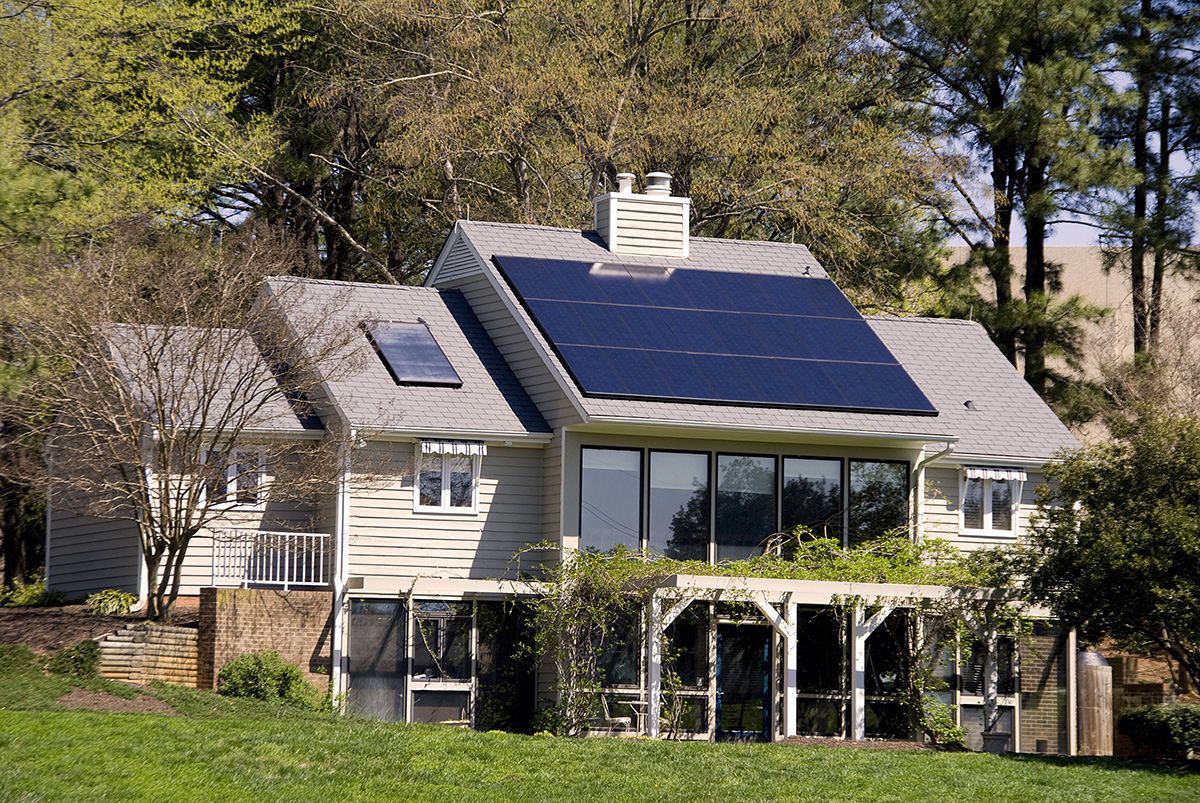
Sustainability is gaining traction as a critical conversation topic. With frequent hurricanes, wildfires, and floods causing billions in damages, the demand for climate resiliency in construction is higher than ever. However, regulatory environments differ significantly between regions like the U.S. and Europe.


The report also highlights the financial bottleneck resulting from differing price expectations between buyers and sellers, as the market seeks equilibrium.


For those interested in diving deeper into these issues, the upcoming NAR NXT conference will provide insights into navigating these challenges in the year ahead.

More Articles

Getting licensed or staying ahead in your career can be a journey—but it doesn’t have to be overwhelming. Grab your favorite coffee or tea, take a moment to relax, and browse through our articles. Whether you’re just starting out or renewing your expertise, we’ve got tips, insights, and advice to keep you moving forward. Here’s to your success—one sip and one step at a time!

Free Money in 2026? The Truth About the DOGE Dividend Stimulus Check

The DOGE Dividend: What You Need to Know About the Proposed 2026 Stimulus Check Hey there! If you’ve been wondering #ReadMore

Navigating Seller’s Market: Twin Cities Housing Trends and Predictions for 2024

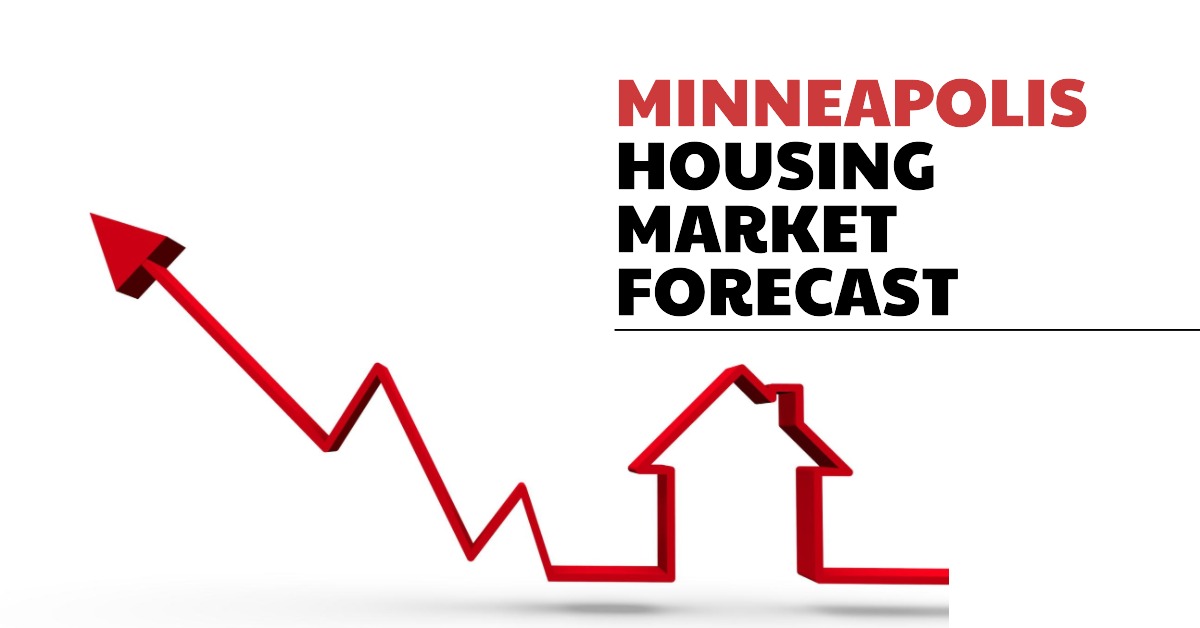
The Minneapolis housing market is currently navigating a complex terrain, marked by a curious blend of optimism and caution. In 2024, home sales in the Twin Cities area experienced a modest uptick of 1.8%.

Future Homes: Sustainability and Smart Technology Shaping Real Estate

In the ever-evolving landscape of real estate, two groundbreaking trends are shaping the homes of tomorrow: sustainability and smart home technology. As consumers become increasingly aware of their environmental impact and as technology continues to advance at lightning speed, these trends are significantly influencing buying decisions in the residential real estate market.

By |February 25, 2025|Categories: Article, Real Estate, Technology|Tags: , |0 Comments

Harvard Study Projects Dramatic Slowdown in U.S. Household Growth

In a comprehensive analysis by Harvard's Joint Center for Housing Studies, there is a projected increase of 8.6 million households in the United States from 2025 to 2035. This equates to approximately 860,000 new households per year, marking a significant deceleration compared to the post-Great Recession era, which saw a sluggish yet larger gain of 10.1 million households.

By |February 24, 2025|Categories: Article, Demographics, Housing|Tags: , |0 Comments

AI Revolutionizing Real Estate: Predicting Trends and Values

The real estate industry, often seen as conservative, is gradually embracing technological advancements with AI leading the charge. Generative AI is already revolutionizing real estate marketing by enhancing customer experiences and optimizing content creation.

By |February 24, 2025|Categories: Article, Real Estate, Technology/AI|Tags: , |0 Comments

In-Person Work Policies: A Beacon of Hope for Commercial Real Estate

With office occupancy plummeting by 90% from February to March 2020, the impact of remote work was palpable. However, the researchers found that hybrid mandates and adding more in-office days could mitigate some of these challenges.