As the calendar turns to 2025, the real estate industry braces itself for a series of transformative challenges and opportunities. According to the National Association of REALTORS®, the Counselors of Real Estate (CRE) have identified the top issues poised to impact both commercial and residential sectors globally.


Among the most pressing matters is political uncertainty, with elections in over 70 countries, including the United States, likely to reshape the geopolitical landscape. This could have profound implications for regulation, trade, corporate taxes, and immigration policies, as noted by CRE global chair Anthony DellaPelle.


High financing costs continue to be a major concern. Despite a recent drop in interest rates, they remain elevated, prompting caution among purchasers. The maturation of nearly $1.8 trillion in commercial real estate loans by 2026 adds another layer of complexity, as lenders face regulatory constraints and capital reserve challenges.


Geopolitical dynamics, including regional conflicts, further complicate the market. These issues contribute to supply chain disruptions, inflation, and labor shortages, all of which impact real estate transactions.


In the residential sector, soaring insurance costs due to natural disasters have become a significant burden. With economic losses reaching $380 billion last year, property owners are rethinking traditional insurance models, focusing instead on robust risk management strategies.


Meanwhile, the housing affordability crisis persists, exacerbated by a persistent inventory deficit and rapid rent increases. CRE’s report highlights the need for new construction and the preservation of affordable housing units to address these challenges.


The rapid growth of artificial intelligence is another transformative factor. AI’s integration into real estate operations promises to optimize processes, though challenges with fragmented data and location-specific nuances remain.


Sustainability is gaining traction as a critical conversation topic. With frequent hurricanes, wildfires, and floods causing billions in damages, the demand for climate resiliency in construction is higher than ever. However, regulatory environments differ significantly between regions like the U.S. and Europe.


The report also highlights the financial bottleneck resulting from differing price expectations between buyers and sellers, as the market seeks equilibrium.


For those interested in diving deeper into these issues, the upcoming NAR NXT conference will provide insights into navigating these challenges in the year ahead.

More Articles

Getting licensed or staying ahead in your career can be a journey—but it doesn’t have to be overwhelming. Grab your favorite coffee or tea, take a moment to relax, and browse through our articles. Whether you’re just starting out or renewing your expertise, we’ve got tips, insights, and advice to keep you moving forward. Here’s to your success—one sip and one step at a time!

Building an Integrated Approach to Real Estate Sustainability

Nearly 60% of global real estate CFOs lack the necessary data, processes, or internal controls to comply with current environmental regulations.

The Blockchain Revolution: Building the Future of Finance with DeFi

DeFi emerges as a beacon of transformation, promising to revolutionize how we interact with money. DeFi stands at the forefront, offering instant, transparent transactions without the constraints of conventional banking systems. This new paradigm opens doors to innovative investment opportunities and fosters a more inclusive global economy.

By |December 8, 2024|Categories: Article, Finance, Technology|Tags: , |0 Comments

Artificial Intelligence: A New Frontier in Neurological Care

AI's integration into neurology is not just a fleeting trend; it's a significant shift in how healthcare professionals approach complex neurological disorders.

By |December 8, 2024|Categories: Article, Healthcare, Technology|Tags: , |0 Comments

Celebrating Commitment to Physician Well-being

The American Medical Association (AMA) has recognized 62 health care organizations through its Joy in Medicine™ Health System Recognition Program. These organizations, representing over 140,000 physicians, have been acknowledged for their innovative strategies aimed at reducing stress and enhancing mental health among doctors.

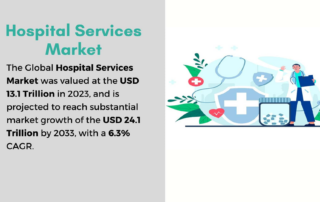
Global Hospital Services Market Set for Substantial Growth

The global hospital services market is undergoing a significant transformation, with projections indicating robust growth over the next decade. As of 2023, the market was valued at USD 13.1 trillion and is expected to soar to an impressive USD 24.1 trillion by 2033, boasting a compound annual growth rate (CAGR) of 6.3%. This optimistic forecast, reported by Market.us Media, is driven by advancements in medical technology, increased healthcare expenditures, and the rising prevalence of chronic diseases.

By |December 7, 2024|Categories: Article, Healthcare, Market Analysis|Tags: , |0 Comments

Unlocking the Potential of Modular Construction in Ontario’s Housing Market

In the bustling realm of Ontario's housing market, modular construction is emerging as a beacon of hope amid a pressing demand for new homes.


By |December 7, 2024|Categories: Article, Construction, Technology|Tags: , |0 Comments