As the calendar turns to 2025, the real estate industry braces itself for a series of transformative challenges and opportunities. According to the National Association of REALTORS®, the Counselors of Real Estate (CRE) have identified the top issues poised to impact both commercial and residential sectors globally.


Among the most pressing matters is political uncertainty, with elections in over 70 countries, including the United States, likely to reshape the geopolitical landscape. This could have profound implications for regulation, trade, corporate taxes, and immigration policies, as noted by CRE global chair Anthony DellaPelle.


High financing costs continue to be a major concern. Despite a recent drop in interest rates, they remain elevated, prompting caution among purchasers. The maturation of nearly $1.8 trillion in commercial real estate loans by 2026 adds another layer of complexity, as lenders face regulatory constraints and capital reserve challenges.


Geopolitical dynamics, including regional conflicts, further complicate the market. These issues contribute to supply chain disruptions, inflation, and labor shortages, all of which impact real estate transactions.


In the residential sector, soaring insurance costs due to natural disasters have become a significant burden. With economic losses reaching $380 billion last year, property owners are rethinking traditional insurance models, focusing instead on robust risk management strategies.


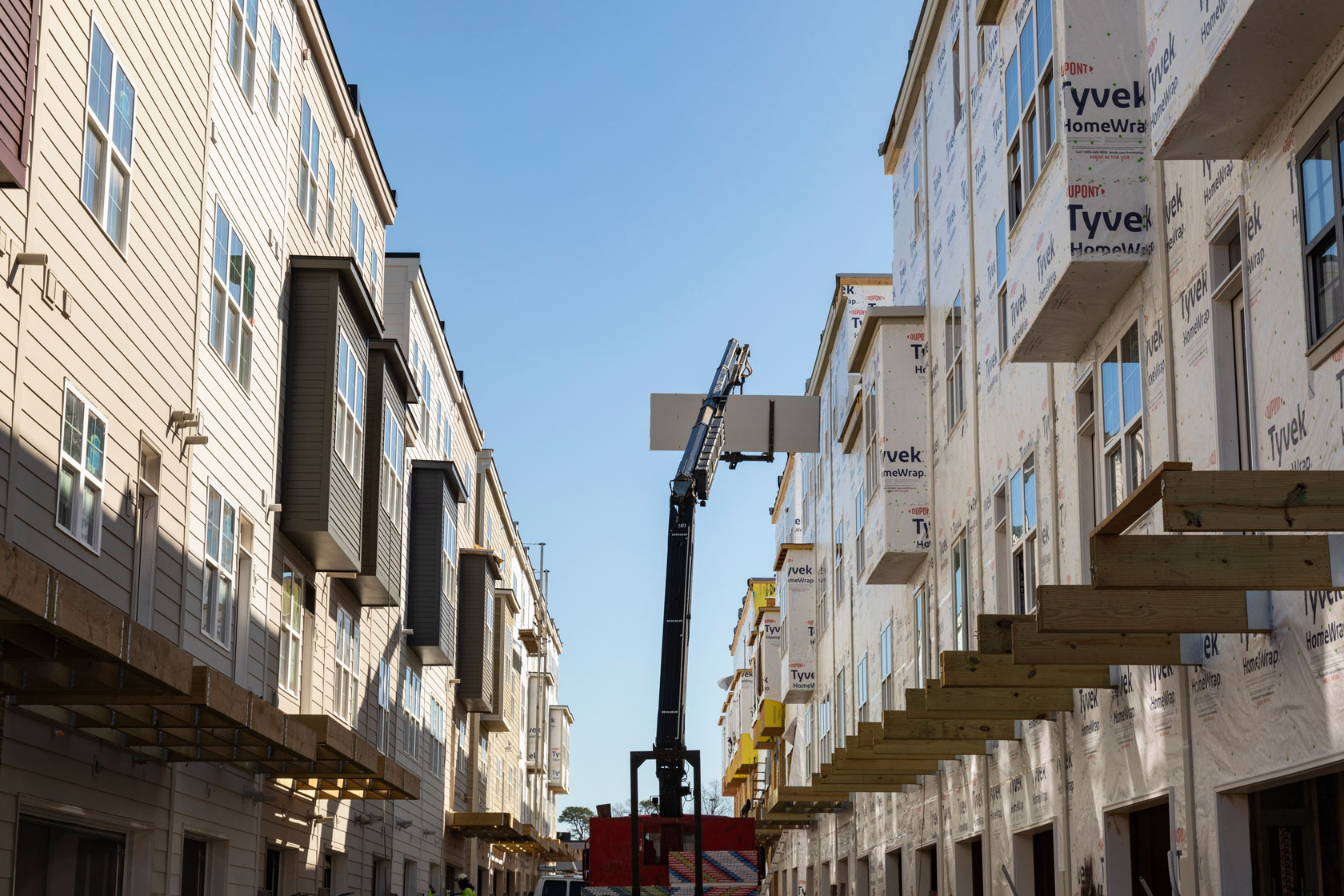
Meanwhile, the housing affordability crisis persists, exacerbated by a persistent inventory deficit and rapid rent increases. CRE’s report highlights the need for new construction and the preservation of affordable housing units to address these challenges.


The rapid growth of artificial intelligence is another transformative factor. AI’s integration into real estate operations promises to optimize processes, though challenges with fragmented data and location-specific nuances remain.


Sustainability is gaining traction as a critical conversation topic. With frequent hurricanes, wildfires, and floods causing billions in damages, the demand for climate resiliency in construction is higher than ever. However, regulatory environments differ significantly between regions like the U.S. and Europe.


The report also highlights the financial bottleneck resulting from differing price expectations between buyers and sellers, as the market seeks equilibrium.


For those interested in diving deeper into these issues, the upcoming NAR NXT conference will provide insights into navigating these challenges in the year ahead.


More Articles

Getting licensed or staying ahead in your career can be a journey—but it doesn’t have to be overwhelming. Grab your favorite coffee or tea, take a moment to relax, and browse through our articles. Whether you’re just starting out or renewing your expertise, we’ve got tips, insights, and advice to keep you moving forward. Here’s to your success—one sip and one step at a time!

Surviving the Storm: Navigating Insurance and FEMA After Hurricane Helene

In the aftermath of Hurricane Helene, homeowners in North Carolina face the daunting challenge of securing compensation from insurance companies and the federal government. The process can be both infuriating and baffling, yet it is essential for recovery.

Tackling America’s Housing Affordability Crisis: The Power of Zoning Reform

Nearly half of all rental households in America are cost-burdened, spending over 30% of their income on rent. This financial strain is even more pronounced in areas with strong employment growth, where housing costs are highest. The paradox is clear: regions with the most economic opportunities present the greatest barriers to affordable housing.

By |October 14, 2024|Categories: Article, Housing, Policy Reform|Tags: , |0 Comments

Deloitte’s 2025 Commercial Real Estate Outlook: Opportunities and Challenges

The 2025 commercial real estate outlook presents a generational opportunity for organizations to redefine their strategies and embrace the future.

AI’s Role in Shaping Our Work Lives

The potential for AI to affect wage structures and income inequality is another critical discussion point. While AI could enhance productivity, it might also concentrate benefits among a select group.

By |October 14, 2024|Categories: Article, Artificial Intelligence, Future of Work|Tags: , |0 Comments

Tokenization: Reshaping Financial Landscapes

The advent of blockchain technology and decentralized finance (DeFi) is revolutionizing how we perceive and interact with financial markets. Central to this transformation is the concept of tokenization, a process that converts assets into digital tokens on a blockchain, enhancing security, accessibility, and liquidity.

By |October 14, 2024|Categories: Article, Finance, Technology|Tags: , |0 Comments

Revolutionizing Real Estate: The AI and Blockchain Advantage

The marriage of AI and blockchain promises to streamline transaction processing, significantly reducing paperwork and processing time. This newfound efficiency allows agents to handle more deals at their own pace, enhancing productivity and client satisfaction.

By |October 14, 2024|Categories: Article, Real Estate, Technology|Tags: |0 Comments