As the calendar turns to 2025, the real estate industry braces itself for a series of transformative challenges and opportunities. According to the National Association of REALTORS®, the Counselors of Real Estate (CRE) have identified the top issues poised to impact both commercial and residential sectors globally.


Among the most pressing matters is political uncertainty, with elections in over 70 countries, including the United States, likely to reshape the geopolitical landscape. This could have profound implications for regulation, trade, corporate taxes, and immigration policies, as noted by CRE global chair Anthony DellaPelle.


High financing costs continue to be a major concern. Despite a recent drop in interest rates, they remain elevated, prompting caution among purchasers. The maturation of nearly $1.8 trillion in commercial real estate loans by 2026 adds another layer of complexity, as lenders face regulatory constraints and capital reserve challenges.


Geopolitical dynamics, including regional conflicts, further complicate the market. These issues contribute to supply chain disruptions, inflation, and labor shortages, all of which impact real estate transactions.


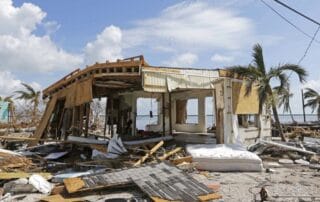
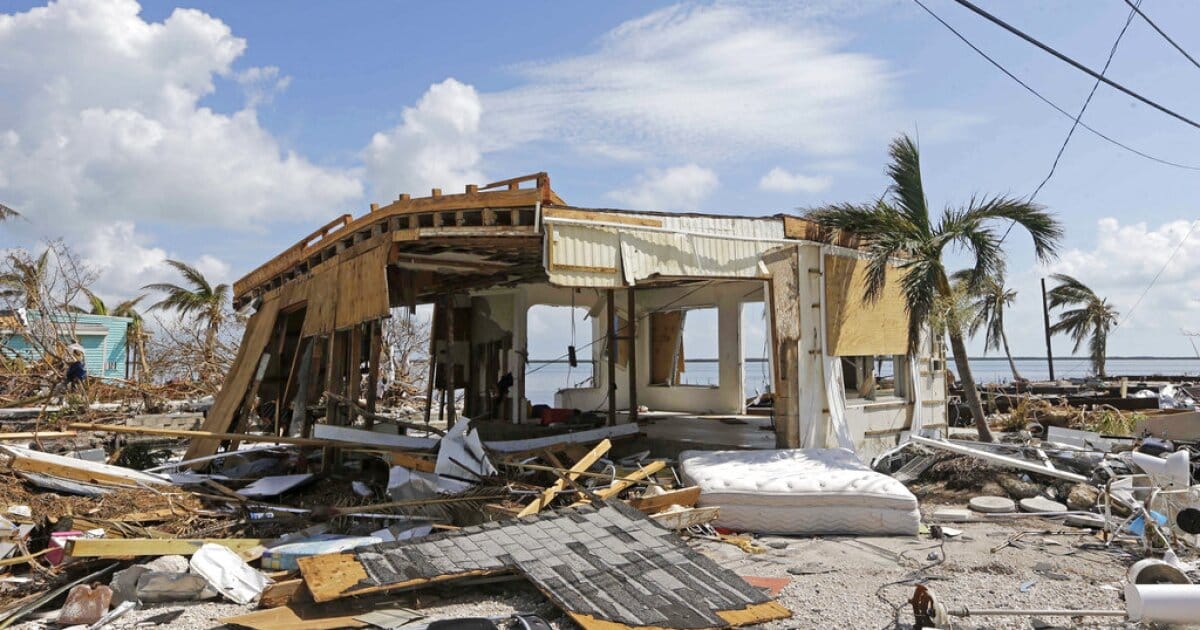
In the residential sector, soaring insurance costs due to natural disasters have become a significant burden. With economic losses reaching $380 billion last year, property owners are rethinking traditional insurance models, focusing instead on robust risk management strategies.


Meanwhile, the housing affordability crisis persists, exacerbated by a persistent inventory deficit and rapid rent increases. CRE’s report highlights the need for new construction and the preservation of affordable housing units to address these challenges.


The rapid growth of artificial intelligence is another transformative factor. AI’s integration into real estate operations promises to optimize processes, though challenges with fragmented data and location-specific nuances remain.


Sustainability is gaining traction as a critical conversation topic. With frequent hurricanes, wildfires, and floods causing billions in damages, the demand for climate resiliency in construction is higher than ever. However, regulatory environments differ significantly between regions like the U.S. and Europe.


The report also highlights the financial bottleneck resulting from differing price expectations between buyers and sellers, as the market seeks equilibrium.


For those interested in diving deeper into these issues, the upcoming NAR NXT conference will provide insights into navigating these challenges in the year ahead.


More Articles

Getting licensed or staying ahead in your career can be a journey—but it doesn’t have to be overwhelming. Grab your favorite coffee or tea, take a moment to relax, and browse through our articles. Whether you’re just starting out or renewing your expertise, we’ve got tips, insights, and advice to keep you moving forward. Here’s to your success—one sip and one step at a time!

The Rising Cost of Disaster: How Insurance Upheaval Is Reshaping Florida’s Middle Class

Skyrocketing insurance premiums and soaring rebuilding costs are transforming communities across Southwest Florida, especially in the wake of Hurricane Ian. As longtime residents struggle to keep up with rising financial pressure, wealthier newcomers and stricter building standards are reshaping the identity of places like Fort Myers Beach. With insurance rates now driving home sales, triggering potential foreclosures, and squeezing both owners and renters, Florida’s middle-class families face a growing question: can they afford to stay in the state they love?

Florida’s Insurance Market Enters Its Strongest Phase in Years as Private Carriers Take Over

Florida’s insurance industry is stabilizing fast, with nearly 1.6 million policies shifting from Citizens to private insurers and litigation dropping sharply. Regulators report stronger market confidence, decreasing premiums, and renewed competition—signaling one of the healthiest periods the state has seen in years.

Florida Judge Restarts Citizens Insurance Arbitration, Re‑Igniting 400+ Stalled Claims

A Leon County judge has ordered the restart of arbitration for Citizens Property Insurance claims, directly conflicting with a previous ruling that halted the process as potentially unconstitutional. With more than 400 cases now back in motion, real estate, insurance, and mortgage professionals can expect renewed activity in claim disputes and fresh uncertainty as Florida courts clash over the legality of Citizens’ arbitration system.

Dallas–Fort Worth Enters a New Real Estate Cycle as Developers Shift Strategies

The DFW market is transitioning into a new construction phase marked by a slowdown in office development, a more selective approach to industrial projects, and an evolving housing landscape shaped by affordability and population growth. Developers are recalibrating their priorities, and for real estate professionals, understanding these shifts offers a critical edge in navigating—and capitalizing on—the next phase of the metroplex’s growth.

Zillow Faces New Lawsuit Over Alleged Pressure on Buyers to Use Zillow Home Loans

A new federal lawsuit claims Zillow pushed homebuyers toward Zillow Home Loans by rewarding affiliated agents with valuable leads — all without proper disclosure. The suit alleges undisclosed incentives, referral quotas, and potential RESPA violations, raising major concerns about steering, fiduciary duties, and Zillow’s expanding mortgage ambitions.

Embracing Innovation to Stay Competitive in a Shifting Mortgage Market

The mortgage industry is evolving fast, and the lenders who come out on top will be those who innovate without uprooting what already works. By building on strong technology foundations, streamlining workflows and adopting smart automation, lenders can reduce costs, improve customer experience and stay resilient in any market cycle. This article breaks down why innovation matters now, how a stable tech ecosystem protects lenders in volatile conditions and why small, strategic steps can drive long-term transformation.