Real Estate Investment Insights for International Buyers in the U.S.

The allure of U.S. real estate as a lucrative investment draws interest from international buyers. However, non-resident individuals must navigate complex U.S. tax laws and carefully choose suitable holding structures to maximize their investment and minimize risk. Real estate investment

Understanding U.S. Taxes:

Estate Tax Considerations: Foreign investors should be aware that owning U.S.-based property could subject them to the estate tax. Non-resident aliens (NRAs) are taxed progressively up to 40%, with an exemption only on the first $60,000 of property value. Example: Roberto, an Argentinian citizen, owns a property in Miami worth $8 million. Upon his death, his estate could face taxes of approximately $3 million unless the property is held through a foreign corporation. Capital Gains Tax: When selling U.S. real estate, NRAs face capital gains taxes, influenced by factors like ownership duration and structure. A direct owner benefits from a 20% tax rate on gains held over a year, whereas a foreign corporation incurs a 21% rate, which offers added estate tax protection. Example: If Roberto sells his property, he could encounter around $600,000 in taxes on a $3 million gain, realizing slight savings if structured under a corporate entity. Income Tax on Rentals: Rental income attracts U.S. taxation, typically at a 30% withholding rate on gross income for NRAs and foreign corporations. Opting for it as business income allows using common deductions, applying ordinary rates to net income.

Strategic Considerations:

Liability Protection: It’s advisable to use a Limited Liability Company (LLC) or similar entity to shield personal assets from property-related liabilities. While an LLC provides asset protection, it requires additional planning to avoid estate taxes. Succession Planning: Efficient property transference after an owner’s death avoids extensive probate processes. Using foreign corporations or trusts can facilitate smoother successions without departing from local inheritance norms.

Assistance from Professionals:

Engaging with wealth advisors, like those at J.P. Morgan, and legal experts is crucial to effectively address the unique complexities international investors face with U.S. real estate acquisitions. For further reading, check the original publication here.

More Articles

Getting licensed or staying ahead in your career can be a journey—but it doesn’t have to be overwhelming. Grab your favorite coffee or tea, take a moment to relax, and browse through our articles. Whether you’re just starting out or renewing your expertise, we’ve got tips, insights, and advice to keep you moving forward. Here’s to your success—one sip and one step at a time!

The Transformation of Insurance Through Customer-Centric Ecosystems

In the fast-evolving world of insurance, a transformative shift is underway, driven by the development of customer-centric ecosystems. As highlighted in a comprehensive study by EY, insurance ecosystems are reshaping the industry by focusing on customer engagement, trust, and operational excellence.

Ethical Challenges of AI in Radiography: Insights from Radiographers

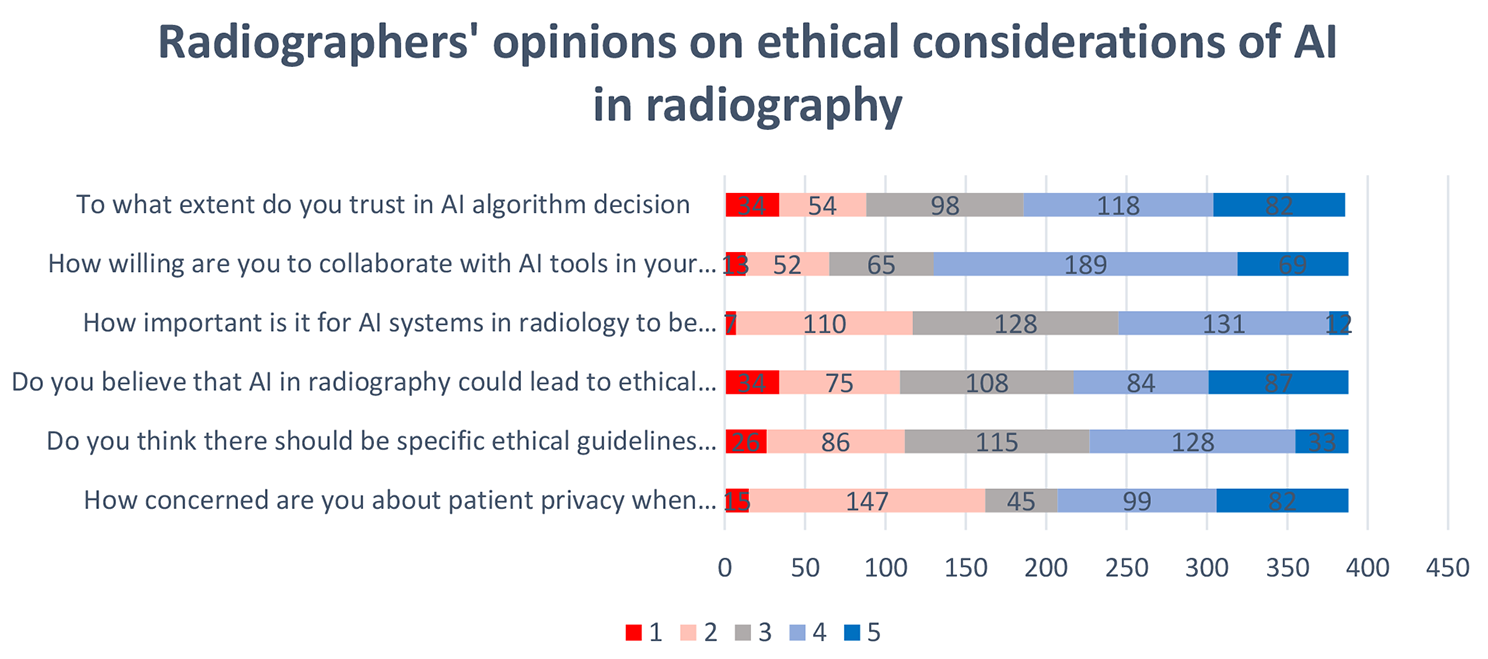
The integration of artificial intelligence in radiography brings a host of ethical challenges that demand careful consideration. A recent study highlights the diverse perspectives of radiographers, revealing significant knowledge gaps and varying trust levels in AI-driven decisions. Concerns over patient privacy and the need for dedicated ethical guidelines are pivotal as healthcare embraces AI.

AI in Healthcare: A Transformative Force Today and Tomorrow

AI tools are already delivering significant value and are poised to further transform healthcare. Embracing these changes today will position organizations and individuals to capture the long-term benefits of a more effective, efficient, and personalized healthcare system.

2024 Housing Market Crystal Ball: Transformative Trends for the Next Decade

The housing landscape of 2034 will be more diverse, technologically advanced, and responsive to the needs of an evolving population.

The Future of AI in Pathology: A Market on the Rise

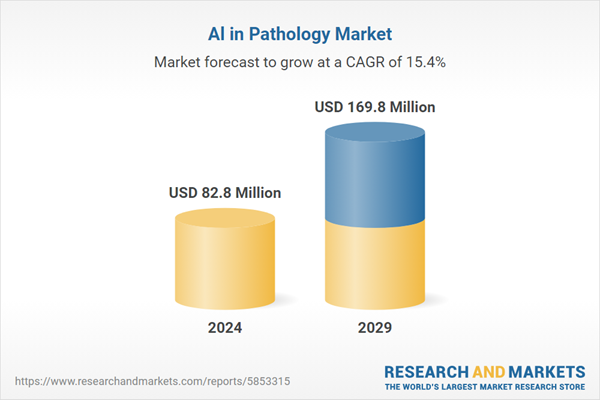
AI in pathology is revolutionizing the field by enhancing the analysis of clinical data, genomic information, and disease progression. These advancements are not only streamlining personalized treatment plans but also optimizing healthcare resource allocation.

By |January 12, 2025|Categories: Article, Healthcare, Technology|Tags: , |0 Comments

Revolutionizing Precision Medicine: AI’s Role in Diabetes and Chronic Disease Management

In an era where data reigns supreme, the integration of artificial intelligence (AI) and machine learning (ML) into the realm of precision medicine is not just a possibility but a burgeoning reality.