Real Estate Investment Insights for International Buyers in the U.S.

The allure of U.S. real estate as a lucrative investment draws interest from international buyers. However, non-resident individuals must navigate complex U.S. tax laws and carefully choose suitable holding structures to maximize their investment and minimize risk. Real estate investment

Understanding U.S. Taxes:

Estate Tax Considerations: Foreign investors should be aware that owning U.S.-based property could subject them to the estate tax. Non-resident aliens (NRAs) are taxed progressively up to 40%, with an exemption only on the first $60,000 of property value. Example: Roberto, an Argentinian citizen, owns a property in Miami worth $8 million. Upon his death, his estate could face taxes of approximately $3 million unless the property is held through a foreign corporation. Capital Gains Tax: When selling U.S. real estate, NRAs face capital gains taxes, influenced by factors like ownership duration and structure. A direct owner benefits from a 20% tax rate on gains held over a year, whereas a foreign corporation incurs a 21% rate, which offers added estate tax protection. Example: If Roberto sells his property, he could encounter around $600,000 in taxes on a $3 million gain, realizing slight savings if structured under a corporate entity. Income Tax on Rentals: Rental income attracts U.S. taxation, typically at a 30% withholding rate on gross income for NRAs and foreign corporations. Opting for it as business income allows using common deductions, applying ordinary rates to net income.

Strategic Considerations:

Liability Protection: It’s advisable to use a Limited Liability Company (LLC) or similar entity to shield personal assets from property-related liabilities. While an LLC provides asset protection, it requires additional planning to avoid estate taxes. Succession Planning: Efficient property transference after an owner’s death avoids extensive probate processes. Using foreign corporations or trusts can facilitate smoother successions without departing from local inheritance norms.

Assistance from Professionals:

Engaging with wealth advisors, like those at J.P. Morgan, and legal experts is crucial to effectively address the unique complexities international investors face with U.S. real estate acquisitions. For further reading, check the original publication here.

More Articles

Getting licensed or staying ahead in your career can be a journey—but it doesn’t have to be overwhelming. Grab your favorite coffee or tea, take a moment to relax, and browse through our articles. Whether you’re just starting out or renewing your expertise, we’ve got tips, insights, and advice to keep you moving forward. Here’s to your success—one sip and one step at a time!

AI in Medical Diagnosis: Revolutionizing Healthcare Standards

"AI and machine learning are emerging as powerful technologies to address this issue, improving the accuracy of medical diagnosis and revolutionizing healthcare with their myriad applications."

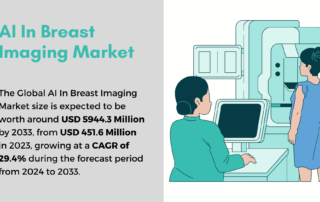
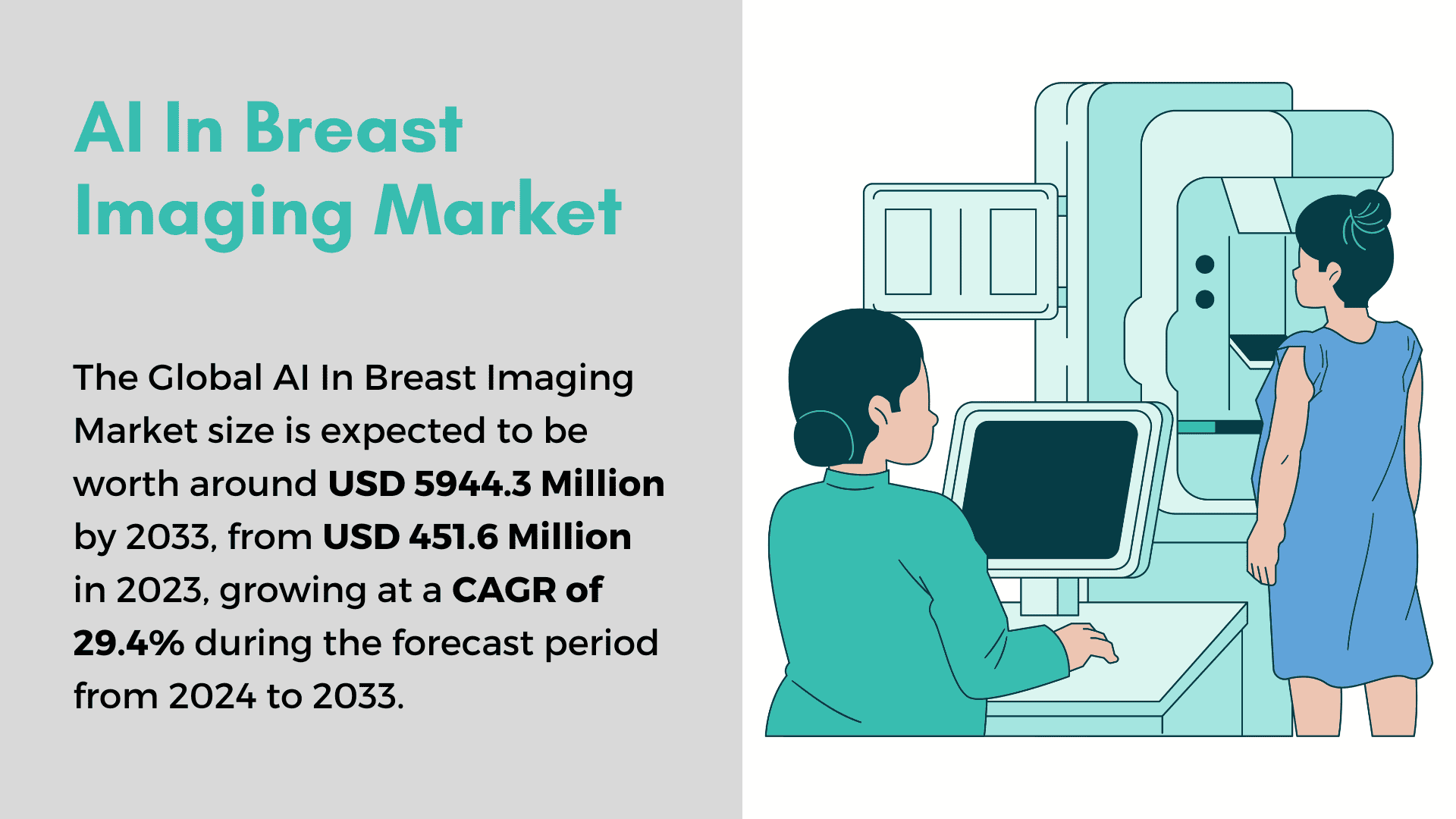
AI in Breast Imaging Market Set for Explosive Growth

The global AI in breast imaging market is on a remarkable growth trajectory, projected to swell from USD 451.6 million in 2023 to an impressive USD 5944.3 million by 2033. This represents a compound annual growth rate (CAGR) of 29.4%, primarily driven by cutting-edge advancements in AI technologies that significantly enhance diagnostic accuracy, facilitate early detection, and boost healthcare efficiency.

Virtual Real Estate: Navigating Investments in Metaverse Platforms

Virtual real estate in metaverses is becoming a focal point for investors worldwide, with digital plots of land mirroring traditional real estate value based on location, size, and platform popularity.

The Transformative Power of AI in In-Vitro Diagnostics

Artificial intelligence (AI) and machine learning are at the forefront of revolutionizing in-vitro diagnostic (IVD) tools, redefining diagnostics and enhancing healthcare outcomes on multiple fronts.

The Future of Life Sciences: A Vision for 2030

As we edge closer to 2030, the life sciences industry stands on the threshold of transformative changes. With a global valuation exceeding $2 trillion, the sector is poised for significant growth, driven by technological advancements and an aging population.

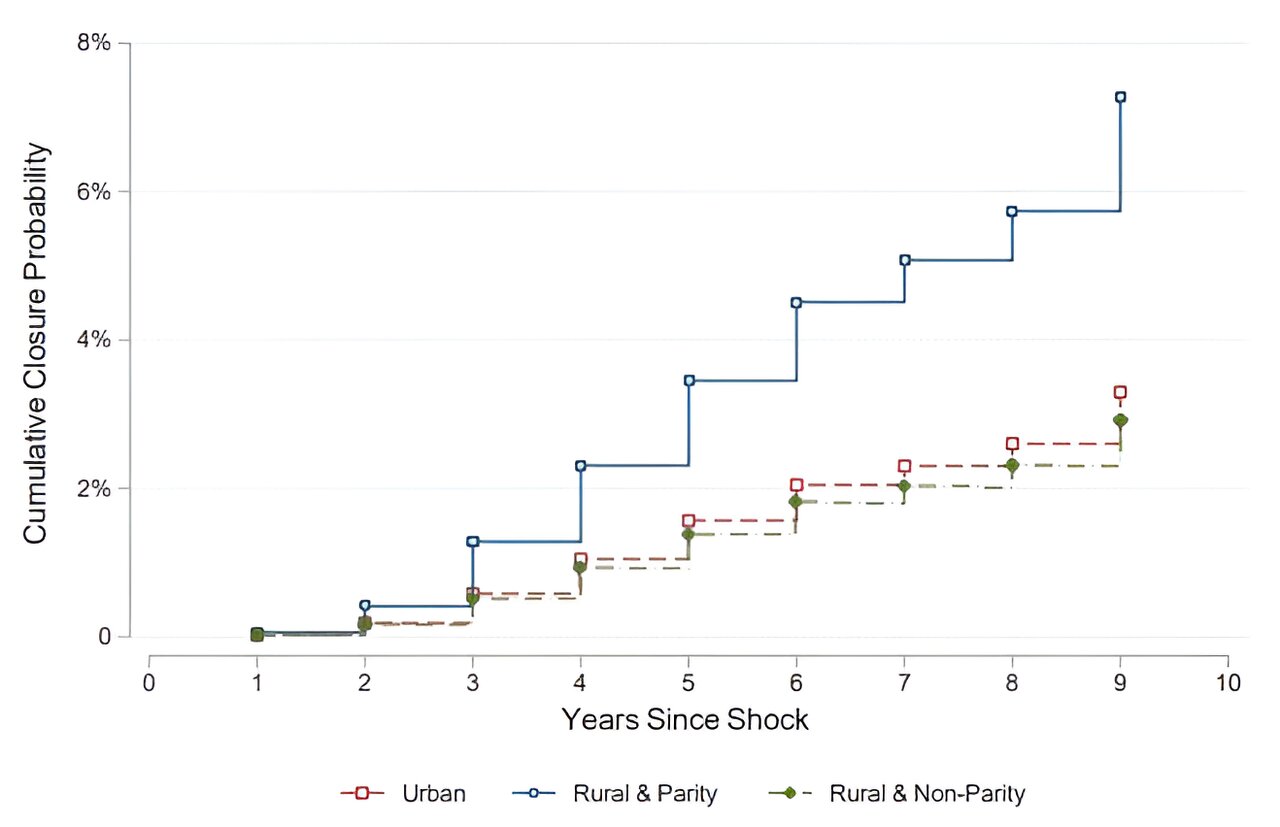
Telehealth: A Boon for Patients, A Challenge for Rural Hospitals

The advent of telehealth has revolutionized the way patients, particularly those in rural areas, access health care. By offering remote consultations and follow-up care, telehealth provides a convenient alternative to traveling long distances to urban hospitals. However, this technological advancement brings with it a set of challenges that could reshape the rural health care landscape.

By |December 20, 2024|Categories: Article, Health/Medicine, Technology|Tags: , |0 Comments