Real Estate Investment Insights for International Buyers in the U.S.

The allure of U.S. real estate as a lucrative investment draws interest from international buyers. However, non-resident individuals must navigate complex U.S. tax laws and carefully choose suitable holding structures to maximize their investment and minimize risk. Real estate investment

Understanding U.S. Taxes:

Estate Tax Considerations: Foreign investors should be aware that owning U.S.-based property could subject them to the estate tax. Non-resident aliens (NRAs) are taxed progressively up to 40%, with an exemption only on the first $60,000 of property value. Example: Roberto, an Argentinian citizen, owns a property in Miami worth $8 million. Upon his death, his estate could face taxes of approximately $3 million unless the property is held through a foreign corporation. Capital Gains Tax: When selling U.S. real estate, NRAs face capital gains taxes, influenced by factors like ownership duration and structure. A direct owner benefits from a 20% tax rate on gains held over a year, whereas a foreign corporation incurs a 21% rate, which offers added estate tax protection. Example: If Roberto sells his property, he could encounter around $600,000 in taxes on a $3 million gain, realizing slight savings if structured under a corporate entity. Income Tax on Rentals: Rental income attracts U.S. taxation, typically at a 30% withholding rate on gross income for NRAs and foreign corporations. Opting for it as business income allows using common deductions, applying ordinary rates to net income.

Strategic Considerations:

Liability Protection: It’s advisable to use a Limited Liability Company (LLC) or similar entity to shield personal assets from property-related liabilities. While an LLC provides asset protection, it requires additional planning to avoid estate taxes. Succession Planning: Efficient property transference after an owner’s death avoids extensive probate processes. Using foreign corporations or trusts can facilitate smoother successions without departing from local inheritance norms.

Assistance from Professionals:

Engaging with wealth advisors, like those at J.P. Morgan, and legal experts is crucial to effectively address the unique complexities international investors face with U.S. real estate acquisitions. For further reading, check the original publication here.

More Articles

Getting licensed or staying ahead in your career can be a journey—but it doesn’t have to be overwhelming. Grab your favorite coffee or tea, take a moment to relax, and browse through our articles. Whether you’re just starting out or renewing your expertise, we’ve got tips, insights, and advice to keep you moving forward. Here’s to your success—one sip and one step at a time!

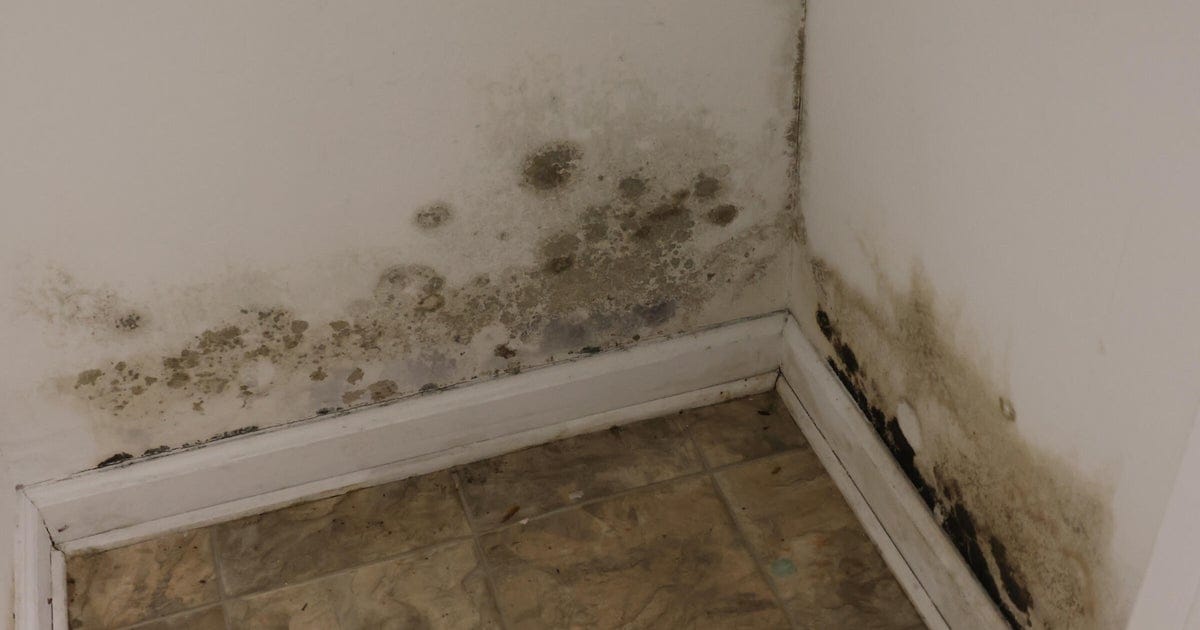
The Hidden Mold Crisis Fueled by Extreme Weather

Extreme storms are triggering a surge in hidden mold growth across nearly half of U.S. homes, creating a growing health and financial emergency for families and real estate professionals. From rapid post‑storm mold development to soaring remediation costs, this silent threat is reshaping property safety, insurance challenges, and the future of housing in high‑risk regions.

Rocket Mortgage Faces Class Action for Alleged Opt‑Out Violations After 12 Unwanted Calls

A Florida consumer has filed a class action accusing Rocket Mortgage of repeatedly calling her even after confirming her opt‑out request, marking the company’s 56th TCPA‑related lawsuit. The complaint claims Rocket continued outreach for nearly three weeks—despite a STOP confirmation—and could impact more than 10,000 consumers nationwide.

Mortgage Rates Hit Month‑High as Loan Demand Falls 5%

Mortgage rates rose for the third straight week, reaching their highest level in a month and triggering a 5.2% drop in overall mortgage applications. Refinance activity slid 7%, purchase demand dipped 2%, and analysts say uncertainty in the bond market is keeping rates on a choppy path. Despite the pullback, today’s loan activity still sits well above last year’s lows, signaling that buyers remain active—but increasingly cautious.

Florida Approves 6.9% Workers’ Compensation Rate Cut for 2026

Florida has approved a 6.9% reduction in workers’ compensation insurance rates for 2026, marking the ninth straight year of decreases. The cut, signed by Insurance Commissioner Mike Yaworsky, takes effect January 1 and lowers costs for all new and renewal policies. State officials say the trend reflects improved workplace safety and will help businesses reduce expenses and support growth across industries including real estate, construction, and property management.

Is Now the Right Time to Buy a Home? Market Shifts Are Finally Giving Buyers the Upper Hand

Mortgage rates are dipping, inventory is soaring, and—for the first time in years—buyers have real leverage. While home prices remain at record highs and the economy feels unpredictable, rising inventory and cooling rates are creating rare opportunities for financially ready buyers. If you’ve been waiting for the market to open a door, this may be your moment to step through.

Is Miami Becoming New York’s Millionaire Relocation Spot?

Miami developers are pitching 'safe spaces' for millionaires amid fears of a political shift in New York City. Concerns over higher taxes and crime are prompting some New Yorkers to consider relocating south.

By |November 6, 2025|Categories: Article, Migration Trends, Real Estate|Tags: |0 Comments