Real Estate Market: A Decade of Transformation Awaits
The
housing market has been a rollercoaster of skyrocketing prices in recent years, leaving many potential homebuyers feeling overwhelmed. This surge in prices stems from the pandemic-driven migration to suburban areas and historically low interest rates. But what lies ahead for the real estate market over the next decade? Will prices continue to climb, or will they stabilize? As we peer into the crystal ball of real estate, we can expect a dynamic market shaped by evolving demographics, interest rate fluctuations, and technological advancements.
Evolving Demographics: Millennials and Gen Z are stepping onto the property ladder, significantly influencing housing demands. Their preferences will drive changes in the market landscape.
Interest Rate Fluctuations: The cost of borrowing will continue to impact affordability and buyer behavior, making interest rates a crucial factor in the real estate equation.
Technological Advancements: From virtual tours to AI-powered property management, technology is reshaping the industry, offering new opportunities and challenges.
The Rise of the Hybrid Homes
The concept of a
“hybrid home” is gaining traction, going beyond the traditional home office. These homes feature
flexible spaces that can be transformed for work, play, or relaxation. The emphasis on
well-being is also increasing, with designs that incorporate natural light, indoor-outdoor flow, and dedicated spaces for fitness and recreation.
Smart home features like automation for lighting, temperature control, and security are becoming essential for enhancing comfort and efficiency.
Tech-Powered Real Estate
The real estate industry is embracing technology like never before.
Virtual Reality and
Augmented Reality are evolving into immersive experiences, allowing potential buyers to explore properties remotely and personalize their vision.
AI-driven insights provide personalized recommendations and market insights, empowering buyers and sellers. Furthermore,
Blockchain Technology could revolutionize real estate transactions by streamlining processes and ensuring secure data storage.
The Evolving Urban Landscape
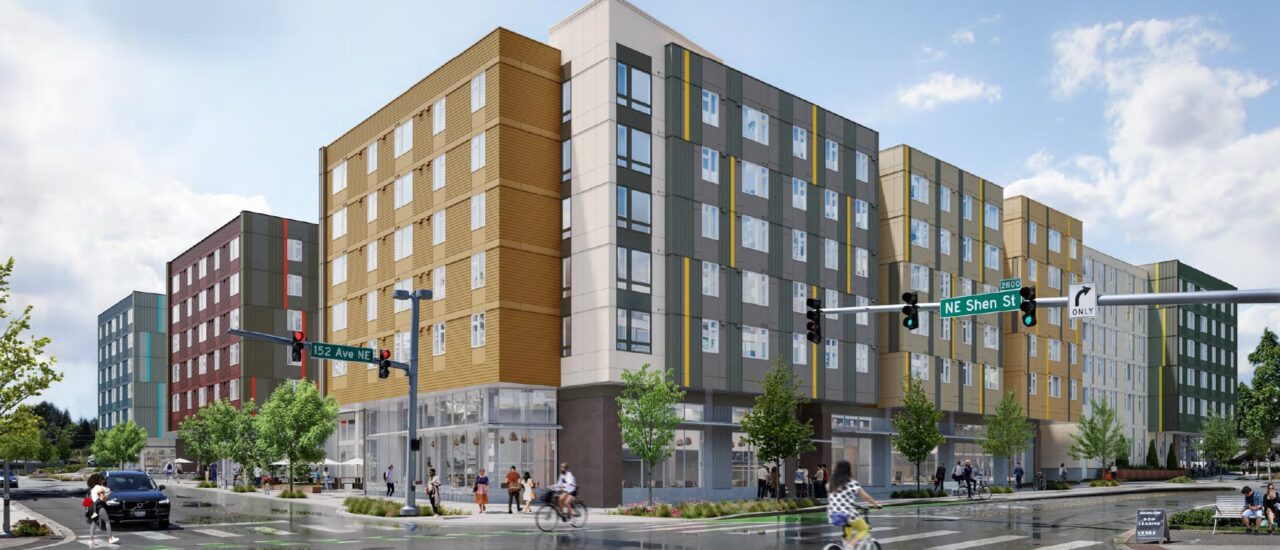
Urban areas are witnessing a shift towards
mixed-use developments that combine residential, commercial, and recreational spaces, fostering vibrant, walkable communities. The “15-minute city” concept is gaining momentum, aiming to offer essential services within a 15-minute radius, promoting sustainability and community engagement.
Climate Considerations Take Center Stage
Sustainability is becoming a cornerstone of the real estate industry.
Sustainable construction practices, including the use of eco-friendly materials and renewable energy sources, are becoming standard.
Water conservation methods, such as rainwater harvesting systems, are crucial for managing resources. Homes are being designed to withstand extreme weather events, ensuring long-term livability.
The Affordability Challenge
Addressing the affordability crisis is paramount.
Government intervention through policies like zoning reforms and tax incentives will play a crucial role.
Innovative housing models, such as co-living and modular housing, could offer more accessible options for first-time buyers. A shift in mindset towards building more starter homes is essential for creating a more inclusive real estate market.
In a
recent article by Norada Real Estate Investments, the forecast for 2030 suggests that the average price of a single-family home in the United States could reach $382,000. However, this varies significantly by location, with cities like San Francisco and San Jose potentially seeing average home prices exceeding $2 million.
Aspiring homeowners are encouraged to start saving early and consider investing their savings to combat inflation. Strategic financial planning can help individuals navigate the evolving housing market and realize their dream of owning a home.
Predicting 2030 Home Prices and Mortgage Rates
While predicting home prices in 2030 is challenging, experts anticipate growth aligning more closely with historical norms. Mortgage rates remain uncertain, but some experts believe they will become more favorable in the coming years.
For more insights, explore
Housing Market Predictions for the Next 4 Years and other related articles.