Real Estate Market: A Decade of Transformation
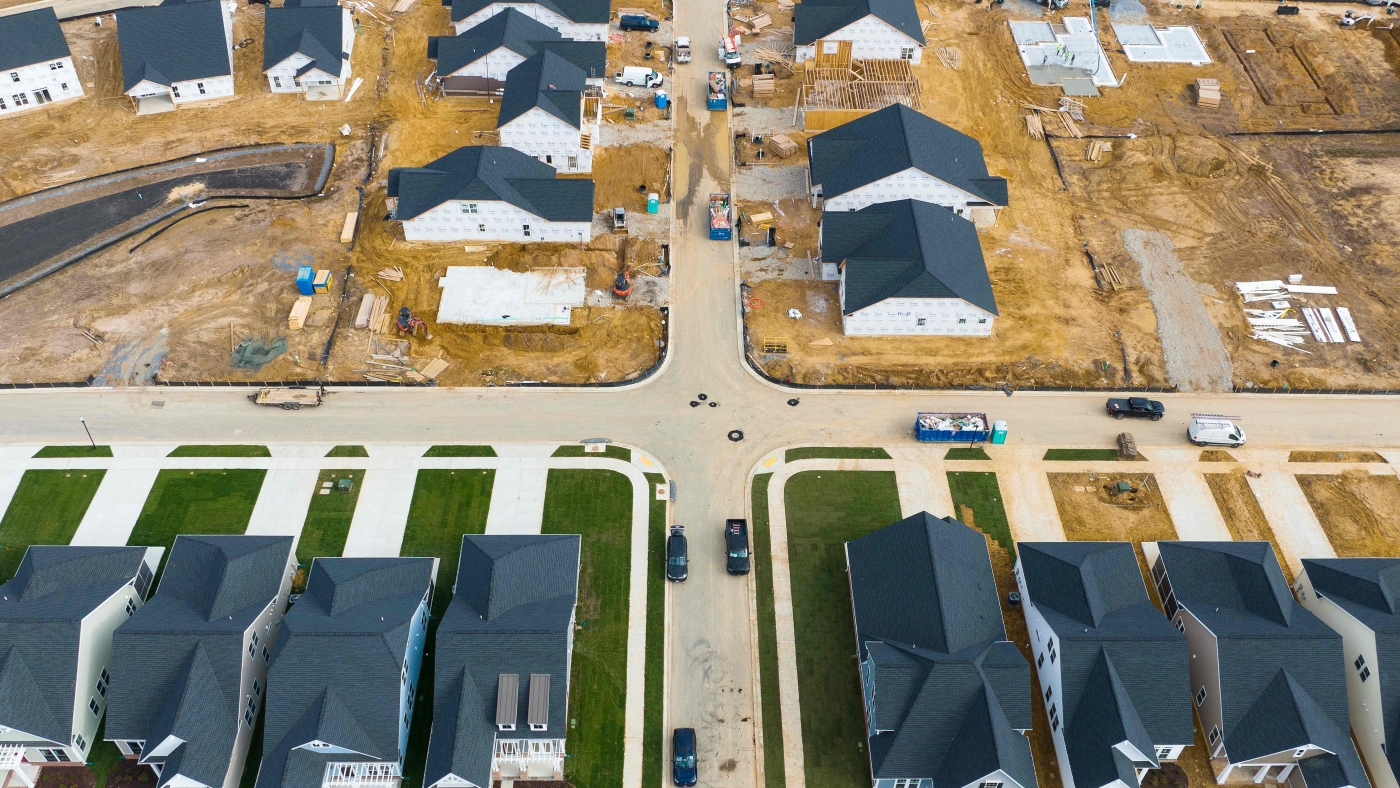
The past few years have witnessed a dramatic escalation in
housing prices, largely driven by the pandemic and historically low interest rates. As we look toward the next decade, the burning questions remain: will this upward trend persist, and how will emerging technologies and demographic shifts influence the market?
According to
Norada Real Estate Investments, the
real estate landscape is poised for significant evolution, characterized by several key trends. Let’s delve into the future of the housing market and explore what lies ahead.
The Emergence of Hybrid Homes
The concept of the “
hybrid home” is set to redefine residential living. Beyond merely incorporating a home office, these homes will feature flexible spaces that cater to work, play, and relaxation. Expect an increased emphasis on well-being, with natural light, indoor-outdoor flow, and smart home features becoming essential components.
Tech-Powered Real Estate
Technology will continue to revolutionize real estate. Virtual and augmented reality will transform property tours into immersive experiences, while AI-driven insights will offer personalized recommendations and market forecasts.
Blockchain technology is also expected to streamline transactions and enhance security.
Urban Landscapes Reimagined
Cities will undergo a transformation with a focus on mixed-use developments, fostering vibrant, walkable communities. The “
15-minute city” concept will gain traction, promoting sustainability and convenience by ensuring essential services are within a short distance.
Climate Considerations
Environmental concerns will take center stage in real estate.
Sustainable construction practices, water conservation, and resilient home designs will become standard as the industry adapts to climate change.
The Affordability Challenge
Affordability remains a pressing issue. Government interventions and innovative housing models like co-living and modular homes may provide relief. A shift in mindset, prioritizing starter homes and inclusivity, will be crucial.
Forecasting Home Prices by 2030
A study by
RenoFi predicts the average price of a single-family home in the U.S. could reach
$382,000 by 2030. However, this varies by location, with cities like San Francisco potentially seeing values exceed
$2 million. The study suggests a continued rise in prices, driven by supply and demand dynamics.
Preparing for the Future
Aspiring homeowners are advised to start saving early and consider investing to combat inflation. Long-term financial planning will be key to navigating the evolving market and achieving the dream of homeownership.
As we look ahead, the
real estate market promises to be a dynamic arena, shaped by technological advancements, demographic shifts, and environmental considerations. For more insights, explore related predictions from Norada Real Estate Investments, including
housing market predictions for the next four years.