Real Estate Market: A Decade of Transformation

The past few years have witnessed a dramatic escalation in housing prices, largely driven by the pandemic and historically low interest rates. As we look toward the next decade, the burning questions remain: will this upward trend persist, and how will emerging technologies and demographic shifts influence the market?
According to Norada Real Estate Investments, the real estate landscape is poised for significant evolution, characterized by several key trends. Let’s delve into the future of the housing market and explore what lies ahead.

The Emergence of Hybrid Homes

The concept of the “hybrid home” is set to redefine residential living. Beyond merely incorporating a home office, these homes will feature flexible spaces that cater to work, play, and relaxation. Expect an increased emphasis on well-being, with natural light, indoor-outdoor flow, and smart home features becoming essential components.

Tech-Powered Real Estate

Technology will continue to revolutionize real estate. Virtual and augmented reality will transform property tours into immersive experiences, while AI-driven insights will offer personalized recommendations and market forecasts. Blockchain technology is also expected to streamline transactions and enhance security.

Urban Landscapes Reimagined

Cities will undergo a transformation with a focus on mixed-use developments, fostering vibrant, walkable communities. The “15-minute city” concept will gain traction, promoting sustainability and convenience by ensuring essential services are within a short distance.

Climate Considerations

Environmental concerns will take center stage in real estate. Sustainable construction practices, water conservation, and resilient home designs will become standard as the industry adapts to climate change.

The Affordability Challenge

Affordability remains a pressing issue. Government interventions and innovative housing models like co-living and modular homes may provide relief. A shift in mindset, prioritizing starter homes and inclusivity, will be crucial.

Forecasting Home Prices by 2030

A study by RenoFi predicts the average price of a single-family home in the U.S. could reach $382,000 by 2030. However, this varies by location, with cities like San Francisco potentially seeing values exceed $2 million. The study suggests a continued rise in prices, driven by supply and demand dynamics.

Preparing for the Future

Aspiring homeowners are advised to start saving early and consider investing to combat inflation. Long-term financial planning will be key to navigating the evolving market and achieving the dream of homeownership.
As we look ahead, the real estate market promises to be a dynamic arena, shaped by technological advancements, demographic shifts, and environmental considerations. For more insights, explore related predictions from Norada Real Estate Investments, including housing market predictions for the next four years.

More Articles

Getting licensed or staying ahead in your career can be a journey—but it doesn’t have to be overwhelming. Grab your favorite coffee or tea, take a moment to relax, and browse through our articles. Whether you’re just starting out or renewing your expertise, we’ve got tips, insights, and advice to keep you moving forward. Here’s to your success—one sip and one step at a time!

Florida’s Middle Class Is Being Squeezed Out: Insurance Costs, Rebuilding Struggles, and a Changing Coastline

Fort Myers Beach is becoming the front line of a new Florida—one shaped by hurricane devastation, soaring insurance premiums, and rapid gentrification. Three years after Hurricane Ian, residents are still battling massive rebuilding costs and insurance bills that now exceed $5,700 a year on average, with flood insurance reaching $10,000 for some families. Long-time locals, small businesses, and service workers are being priced out as wealthy investors move in, transforming once-affordable coastal communities. Real estate professionals warn that foreclosures may rise if economic pressures continue, signaling a pivotal moment for Florida’s housing market and the professionals who serve it.

Top 2026 Commercial Real Estate Issues Every Professional Should Watch

Economic uncertainty, AI disruption, slowing population growth, and rising portfolio risk are reshaping commercial real estate heading into 2026. A new report unveiled at NAR NXT highlights the forces that will reward informed professionals — and challenge those who aren’t prepared. From fiscal policy and shifting capital flows to tech transformation and housing shortages, the landscape is evolving fast. Cameron Academy breaks down the key issues so real estate, mortgage, finance, and insurance professionals can stay ahead of the curve.

Federal Climate Funding Pulled, Leaving Billions in Real Estate Risk Exposed

A sudden federal shutdown of FEMA’s BRIC resiliency program has left cities and commercial property owners scrambling, exposing billions in real estate to rising climate threats. With nearly a billion dollars in mitigation funding clawed back and extreme weather intensifying, insurance premiums are expected to surge and coverage may shrink — placing new pressure on markets like Florida and New York.

Florida Lawmakers Push Bill to Limit Local Power Over Housing Approvals

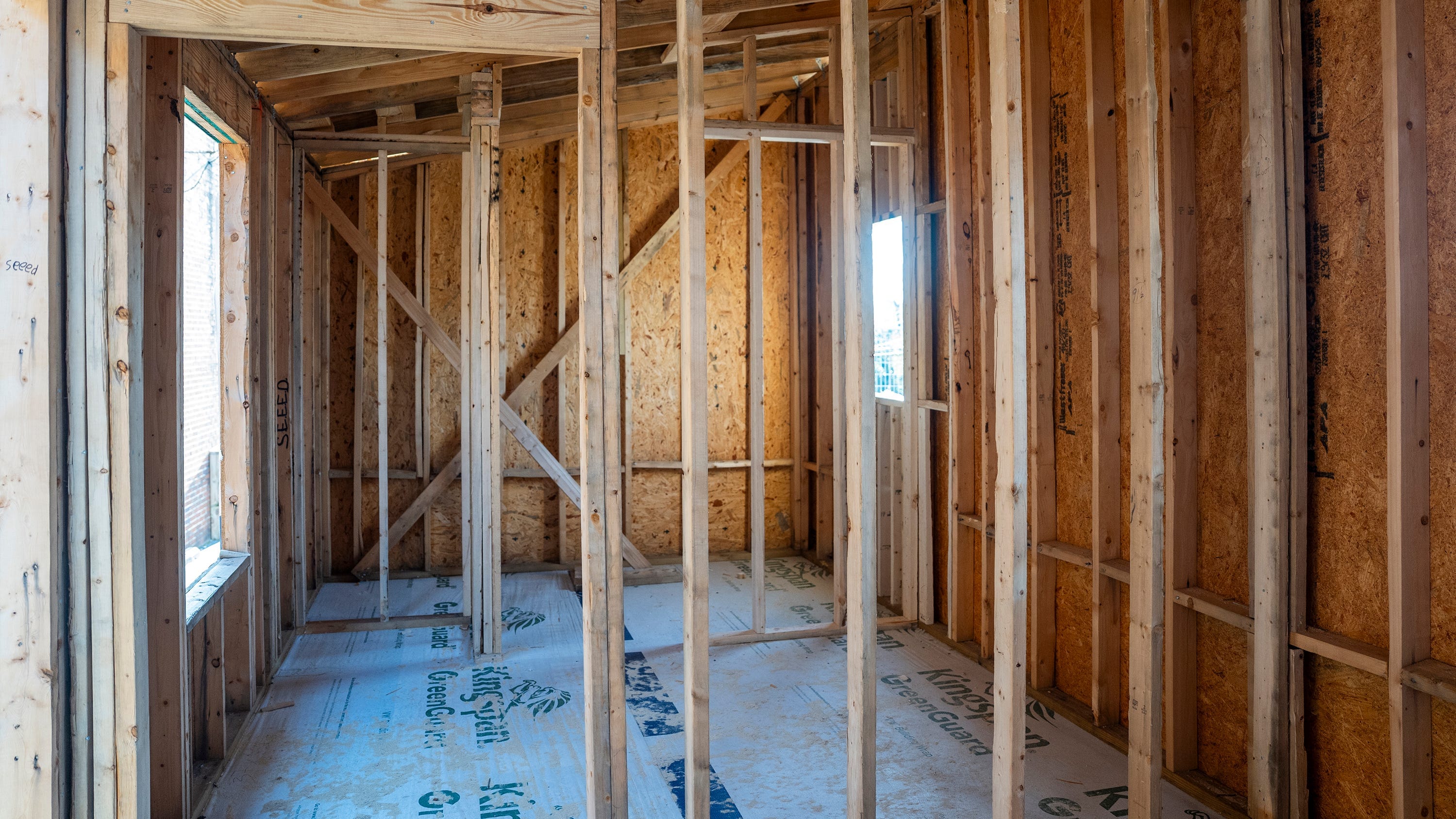
A new Florida Senate bill aims to stop cities and counties from blocking residential developments over vague “compatibility” concerns. Supporters say the measure would speed up homebuilding and ease housing shortages, while opponents argue it strips communities of essential oversight and could accelerate growth without proper planning. The proposal could reshape development timelines and land-use decisions statewide, making it a major issue for real estate professionals to watch.

Cape Coral Housing Market Shifts in Favor of Buyers as Homes Linger 119 Days

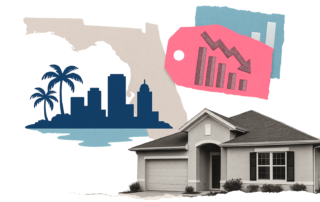
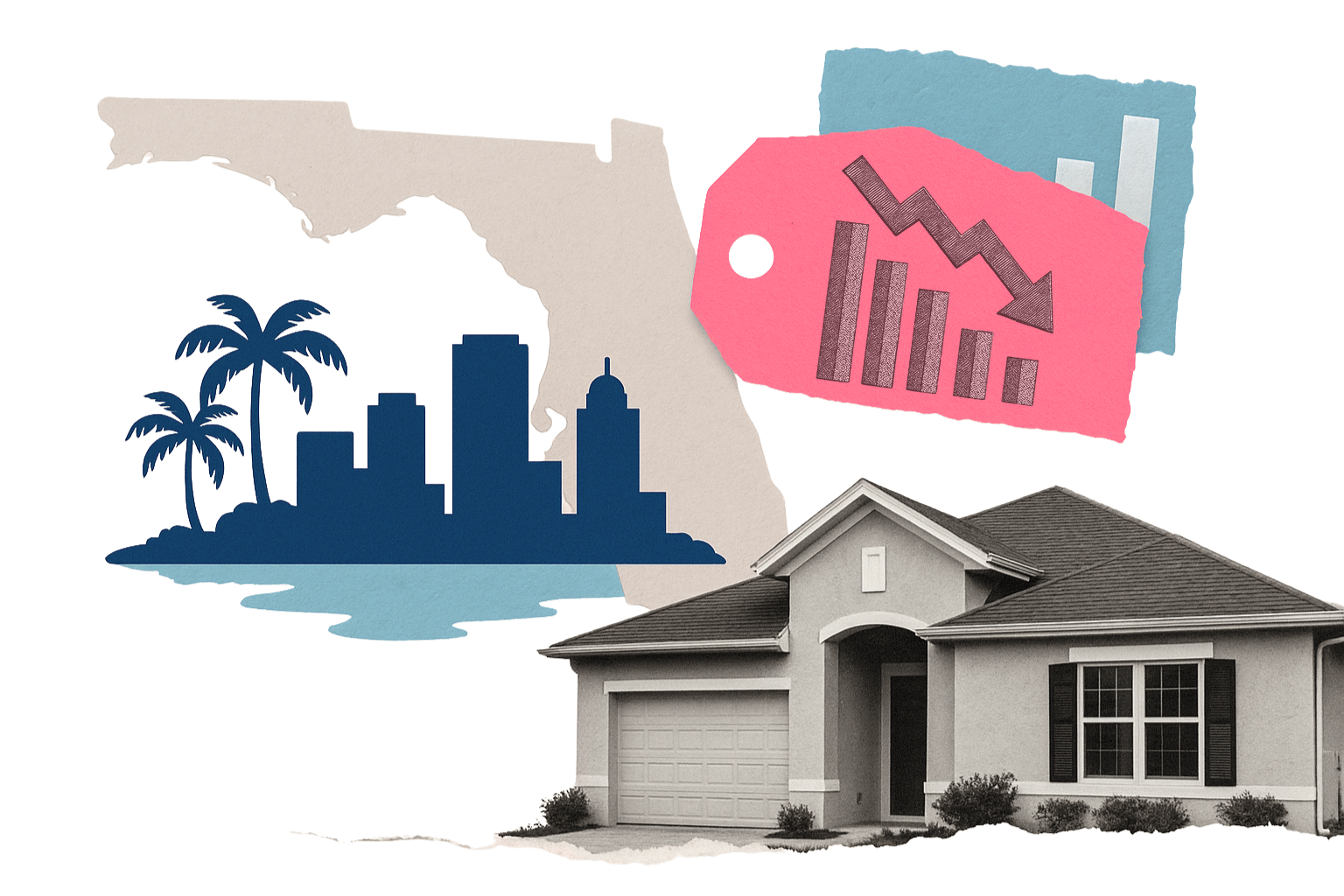
Cape Coral–Fort Myers has officially moved into buyer-friendly territory, with homes now sitting a median 119 days on the market—far longer than both the Florida and U.S. averages. Rising inventory, a 36.9 percent price‑reduction rate, and slower absorption compared to accumulated supply are giving buyers more leverage and time to negotiate, signaling a meaningful reset in this once‑fast‑moving Florida market.

Kansas City’s Commercial Real Estate Market Finds Its Momentum Again

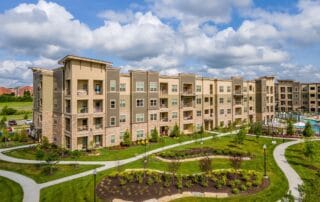
Kansas City’s commercial real estate sector is finally turning a corner after several years of sluggish activity. Retail is leading the rebound, while multifamily and industrial properties are gaining traction as pricing stabilizes and buyer confidence returns. A standout 2025 transaction—the sale of the 380‑unit Cyan Southcreek community—signals that capital is flowing back into the market. With bid‑ask spreads tightening and investor optimism rising, Kansas City is entering a period of renewed opportunity for real estate professionals and investors alike.