Real Estate Rule Changes Shift Commission Costs to Homebuyers

The winds of change are sweeping through the real estate industry, ushering in new rules that promise to reshape the financial landscape for homebuyers. As of this weekend, the longstanding practice where sellers routinely covered buyer agent commissions will become a relic of the past. These sweeping reforms, driven by the National Association of Realtors, are rooted in a recent settlement of federal lawsuits that accused the industry of inflating commission costs.

Traditionally, sellers included a blanket commission offer for buyer’s agents in home listings. This practice will soon vanish from Multiple Listing Service (MLS)-affiliated properties. Instead, compensatory incentives will be negotiated separately, potentially leaving homebuyers responsible for agent fees. This shift could exacerbate financial pressures, particularly in a market already burdened by elevated mortgage rates and limited housing inventory.

Real estate giants such as Keller Williams, Re/Max, and others have agreed to policy revisions that underscore this shift. Starting Saturday, these modifications will require homebuyers to execute precise representation agreements before engaging an agent, demanding clarity on compensation terms.

As housing market dynamics evolve, sellers will need to evaluate whether to cover buyer agent commissions based on local market conditions. In a sluggish market, buyers might negotiate to sustain lower costs, while a competitive market might see sellers opting out of compensatory obligations.

While buyer-agent commissions have noted a slight decline recently, rising home values mean that prospective buyers might still face additional financial burdens. Consumer advocacy groups suggest that negotiations could potentially lower seller-side commissions, impacting overall market expenditure.

Ultimately, homebuyers must adapt to these regulatory refinements, assessing potential financial impacts when engaging real estate services under the new frameworks. For more details, refer to the original article on Finance & Commerce.

More Articles

Getting licensed or staying ahead in your career can be a journey—but it doesn’t have to be overwhelming. Grab your favorite coffee or tea, take a moment to relax, and browse through our articles. Whether you’re just starting out or renewing your expertise, we’ve got tips, insights, and advice to keep you moving forward. Here’s to your success—one sip and one step at a time!

AI in Medical Diagnosis: Revolutionizing Healthcare Standards

"AI and machine learning are emerging as powerful technologies to address this issue, improving the accuracy of medical diagnosis and revolutionizing healthcare with their myriad applications."

AI in Breast Imaging Market Set for Explosive Growth

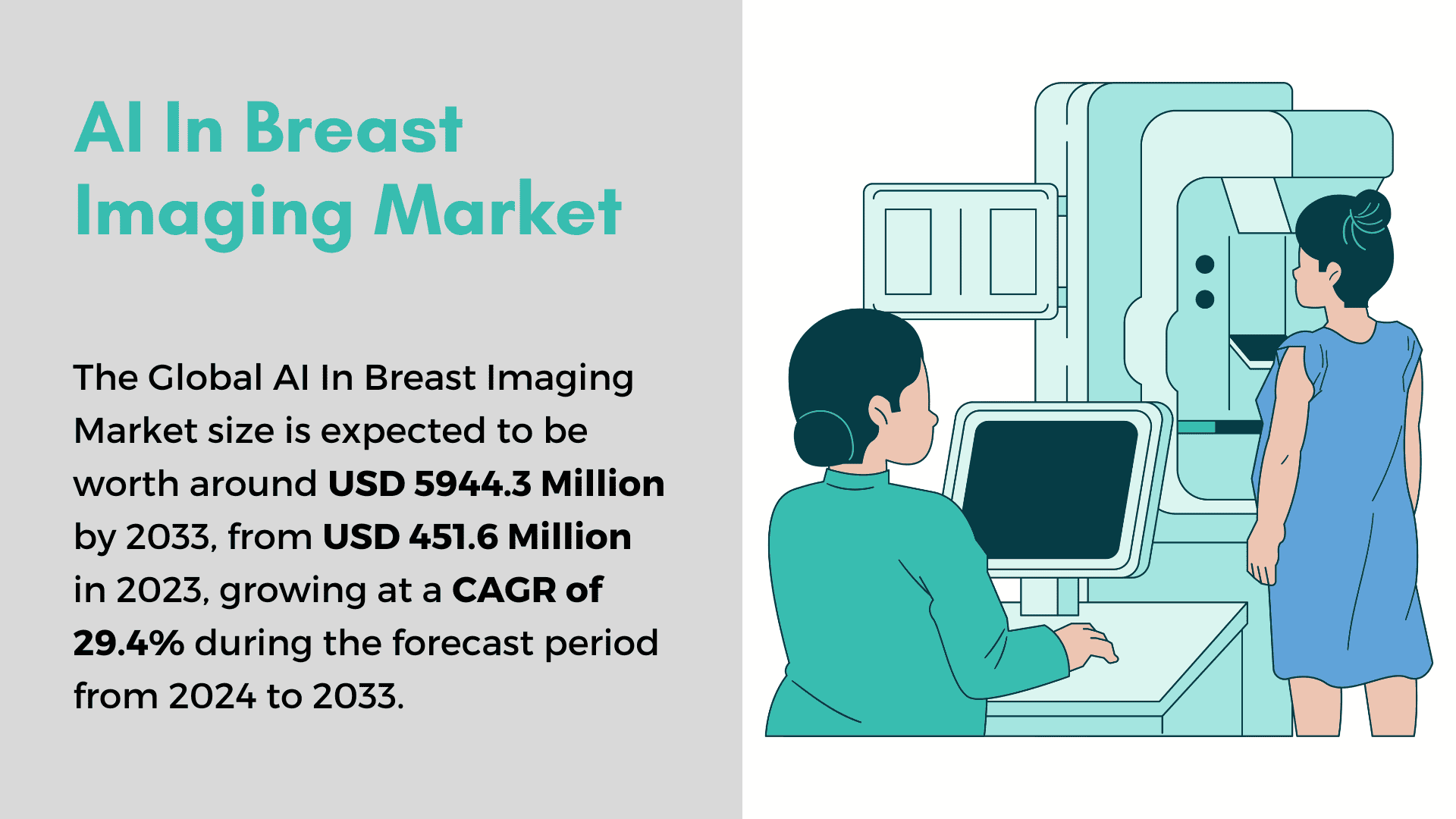
The global AI in breast imaging market is on a remarkable growth trajectory, projected to swell from USD 451.6 million in 2023 to an impressive USD 5944.3 million by 2033. This represents a compound annual growth rate (CAGR) of 29.4%, primarily driven by cutting-edge advancements in AI technologies that significantly enhance diagnostic accuracy, facilitate early detection, and boost healthcare efficiency.

Virtual Real Estate: Navigating Investments in Metaverse Platforms

Virtual real estate in metaverses is becoming a focal point for investors worldwide, with digital plots of land mirroring traditional real estate value based on location, size, and platform popularity.

The Transformative Power of AI in In-Vitro Diagnostics

Artificial intelligence (AI) and machine learning are at the forefront of revolutionizing in-vitro diagnostic (IVD) tools, redefining diagnostics and enhancing healthcare outcomes on multiple fronts.

The Future of Life Sciences: A Vision for 2030

As we edge closer to 2030, the life sciences industry stands on the threshold of transformative changes. With a global valuation exceeding $2 trillion, the sector is poised for significant growth, driven by technological advancements and an aging population.

Telehealth: A Boon for Patients, A Challenge for Rural Hospitals

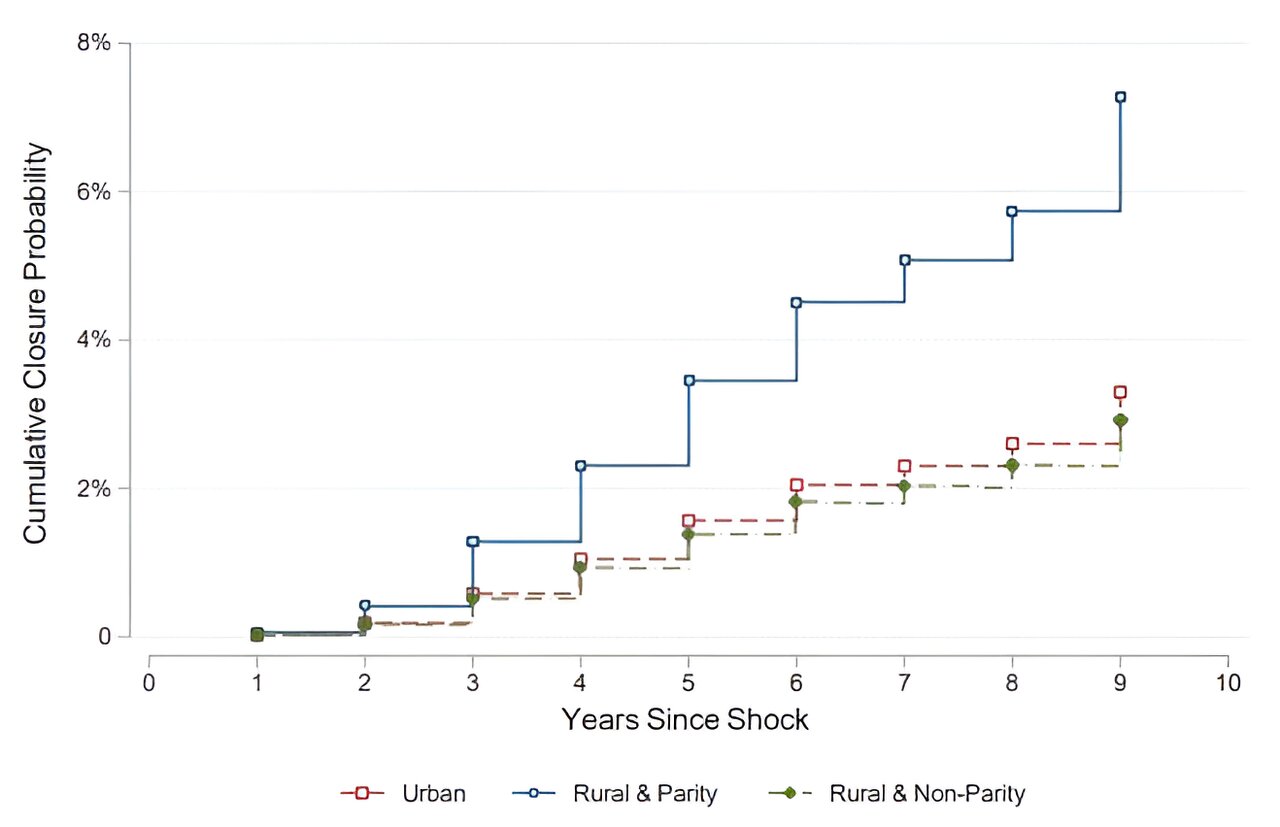
The advent of telehealth has revolutionized the way patients, particularly those in rural areas, access health care. By offering remote consultations and follow-up care, telehealth provides a convenient alternative to traveling long distances to urban hospitals. However, this technological advancement brings with it a set of challenges that could reshape the rural health care landscape.

By |December 20, 2024|Categories: Article, Health/Medicine, Technology|Tags: , |0 Comments