Real Estate Rule Changes Shift Commission Costs to Homebuyers

The winds of change are sweeping through the real estate industry, ushering in new rules that promise to reshape the financial landscape for homebuyers. As of this weekend, the longstanding practice where sellers routinely covered buyer agent commissions will become a relic of the past. These sweeping reforms, driven by the National Association of Realtors, are rooted in a recent settlement of federal lawsuits that accused the industry of inflating commission costs.

Traditionally, sellers included a blanket commission offer for buyer’s agents in home listings. This practice will soon vanish from Multiple Listing Service (MLS)-affiliated properties. Instead, compensatory incentives will be negotiated separately, potentially leaving homebuyers responsible for agent fees. This shift could exacerbate financial pressures, particularly in a market already burdened by elevated mortgage rates and limited housing inventory.

Real estate giants such as Keller Williams, Re/Max, and others have agreed to policy revisions that underscore this shift. Starting Saturday, these modifications will require homebuyers to execute precise representation agreements before engaging an agent, demanding clarity on compensation terms.

As housing market dynamics evolve, sellers will need to evaluate whether to cover buyer agent commissions based on local market conditions. In a sluggish market, buyers might negotiate to sustain lower costs, while a competitive market might see sellers opting out of compensatory obligations.

While buyer-agent commissions have noted a slight decline recently, rising home values mean that prospective buyers might still face additional financial burdens. Consumer advocacy groups suggest that negotiations could potentially lower seller-side commissions, impacting overall market expenditure.

Ultimately, homebuyers must adapt to these regulatory refinements, assessing potential financial impacts when engaging real estate services under the new frameworks. For more details, refer to the original article on Finance & Commerce.

More Articles

Getting licensed or staying ahead in your career can be a journey—but it doesn’t have to be overwhelming. Grab your favorite coffee or tea, take a moment to relax, and browse through our articles. Whether you’re just starting out or renewing your expertise, we’ve got tips, insights, and advice to keep you moving forward. Here’s to your success—one sip and one step at a time!

Institutional DeFi: Navigating the Financial Frontier

DeFi platforms are revolutionizing financial services, affecting everything from asset management to banking and compliance. This transformation is driven by the transparency and efficiency of blockchain technology, which introduces innovations like smart contracts and tokenization.

Unmasking The Banking Sector’s Vulnerability To Cyber Threats

In a world where digital threats loom large, the banking sector finds itself at a critical juncture. A recent story shared by an acquaintance, Dave, underscores the pervasive risk of cyberattacks that banks face today. Dave, who works in the banking sector, was caught off guard by a phishing attempt that seemed legitimate. Fortunately, it was a security test, but it highlighted a glaring vulnerability.

By |December 5, 2024|Categories: Article, Banking Sector, Cybersecurity|Tags: , |0 Comments

Innovative Recruitment Strategies to Combat Nursing Shortages

Nursing vacancies have surged to 17%, more than doubling pre-pandemic levels, prompting hospitals to go beyond mere salary increases and benefits enhancements.

The Role of Telehealth, AI, and Wearables in Modern Healthcare

In an era where technology is reshaping every facet of our lives, healthcare stands at the forefront of this digital revolution. As we delve into 2024, the integration of telehealth, AI, and wearable technologies is setting new benchmarks in patient care and accessibility.

By |December 4, 2024|Categories: Article, Digital Health, Healthcare Technology|Tags: , |0 Comments

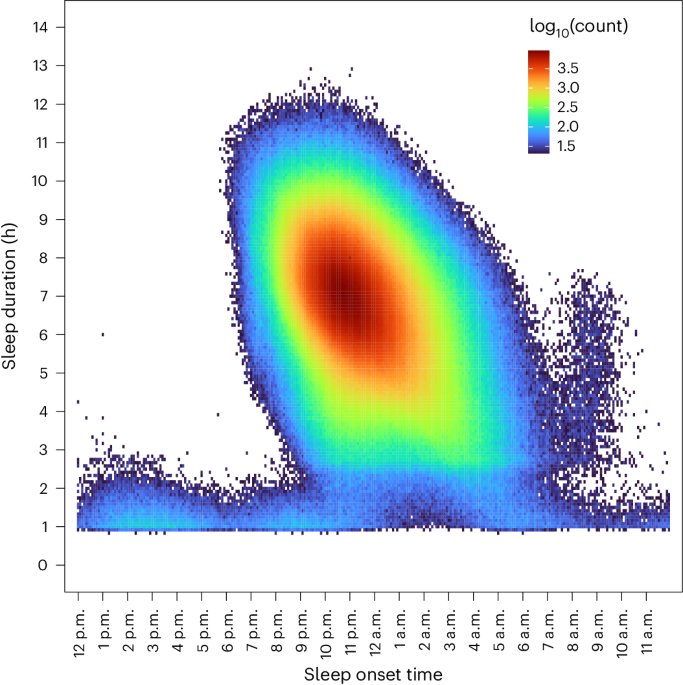
Unraveling the Ties Between Sleep and Chronic Disease: Insights from Wearable Technology

By tracking sleep patterns over extended periods, wearables provide a unique opportunity to observe the long-term effects of sleep on health, offering valuable insights for both public health policies and individual health management.

By |December 4, 2024|Categories: Article, Health, Technology|Tags: , |0 Comments