Real Estate Rule Changes Shift Commission Costs to Homebuyers

The winds of change are sweeping through the real estate industry, ushering in new rules that promise to reshape the financial landscape for homebuyers. As of this weekend, the longstanding practice where sellers routinely covered buyer agent commissions will become a relic of the past. These sweeping reforms, driven by the National Association of Realtors, are rooted in a recent settlement of federal lawsuits that accused the industry of inflating commission costs.

Traditionally, sellers included a blanket commission offer for buyer’s agents in home listings. This practice will soon vanish from Multiple Listing Service (MLS)-affiliated properties. Instead, compensatory incentives will be negotiated separately, potentially leaving homebuyers responsible for agent fees. This shift could exacerbate financial pressures, particularly in a market already burdened by elevated mortgage rates and limited housing inventory.

Real estate giants such as Keller Williams, Re/Max, and others have agreed to policy revisions that underscore this shift. Starting Saturday, these modifications will require homebuyers to execute precise representation agreements before engaging an agent, demanding clarity on compensation terms.

As housing market dynamics evolve, sellers will need to evaluate whether to cover buyer agent commissions based on local market conditions. In a sluggish market, buyers might negotiate to sustain lower costs, while a competitive market might see sellers opting out of compensatory obligations.

While buyer-agent commissions have noted a slight decline recently, rising home values mean that prospective buyers might still face additional financial burdens. Consumer advocacy groups suggest that negotiations could potentially lower seller-side commissions, impacting overall market expenditure.

Ultimately, homebuyers must adapt to these regulatory refinements, assessing potential financial impacts when engaging real estate services under the new frameworks. For more details, refer to the original article on Finance & Commerce.

More Articles

Getting licensed or staying ahead in your career can be a journey—but it doesn’t have to be overwhelming. Grab your favorite coffee or tea, take a moment to relax, and browse through our articles. Whether you’re just starting out or renewing your expertise, we’ve got tips, insights, and advice to keep you moving forward. Here’s to your success—one sip and one step at a time!

AI Transforming Health Care: Bridging Academic and Clinical Practices

Artificial intelligence (AI) is revolutionizing diagnostics, treatment, and patient care, with significant advancements particularly noted in fields like radiology and oncology.

AI Revolutionizes Cancer Diagnostics

AI tools are now being leveraged to analyze images and tissue samples, offering insights that surpass traditional methods. AI's integration into healthcare, particularly in oncology, marks a significant shift towards precision medicine.

By |November 19, 2024|Categories: Article, Healthcare, Technology|Tags: , |0 Comments

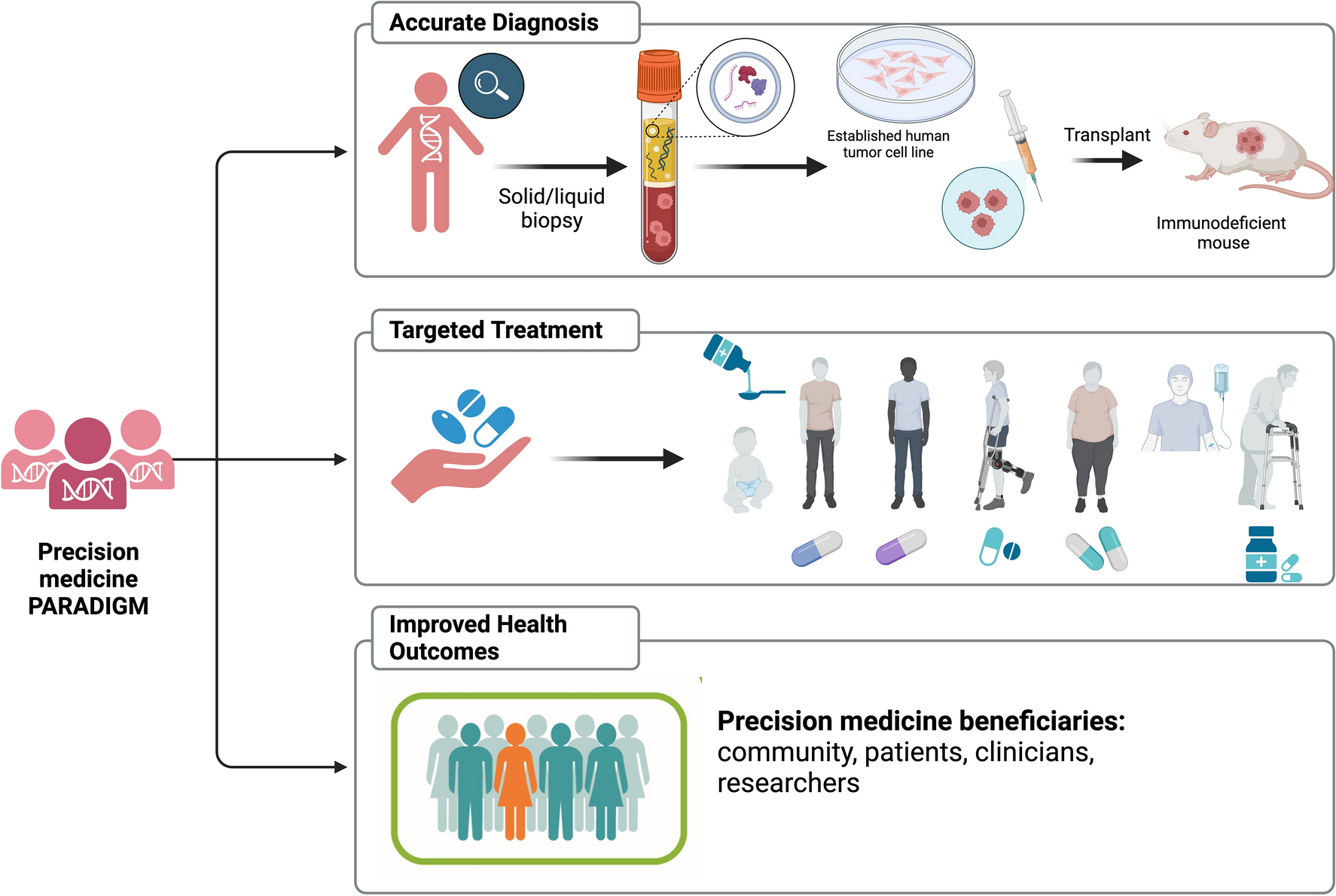
AI in Precision Medicine: Navigating Challenges and Embracing Opportunities

AI's potential to revolutionize healthcare lies in its ability to process vast amounts of data, uncover hidden patterns, and support clinical decision-making. It is particularly promising in the realms of drug development and clinical practice, where it can streamline processes, reduce costs, and improve patient experiences.

The Expanding Role of Telehealth in Nursing

Nurses, the unsung heroes on the front lines of patient care, are increasingly embracing telehealth technology as a core component of their roles. Telehealth offers a transformative opportunity to enhance patient outcomes and broaden access to healthcare. This shift is particularly pertinent in the face of an aging population and ongoing nursing shortages.

By |November 19, 2024|Categories: Article, Nursing, Telehealth|Tags: , |0 Comments

AI Revolutionizing Healthcare: From Diagnostics to Pandemics

AI enhances the ability to interpret medical images such as X-rays and MRIs, often surpassing human accuracy. By identifying patterns that even seasoned professionals might miss, AI complements human expertise, improving diagnostic precision.


By |November 18, 2024|Categories: Article, Healthcare, Technology|Tags: , |0 Comments