Real Estate Sector Gains Momentum with Budget 2025


In a strategic move poised to reshape the landscape of India’s commercial real estate, the introduction of a national guidance framework for Global Capability Centres (GCCs) is set to bolster the sector significantly. This development, highlighted in the Real-Estate Sector Budget 2025, is expected to stimulate growth, particularly in tier-II and tier-III cities.
Sanjeev Dasgupta, Chief Executive Officer of CapitaLand Investment (India), emphasized the framework’s alignment with India’s ambition to become a hub for high-value global operations. By enhancing infrastructure and talent pipelines, this initiative aims to strengthen the country’s ability to host GCCs effectively.
Real estate experts predict substantial opportunities for commercial real estate as a result of this framework. The overarching theme of urban development, prevalent in this year’s budget, underscores a commitment to infrastructure enhancement through increased public-private partnerships (PPP) and comprehensive fiscal reforms.
The budget also introduces tax reforms designed to increase disposable income for the middle class, thereby encouraging investment and consumption. Urban infrastructure initiatives, coupled with support for MSMEs, reflect a broad economic strategy aimed at sustainable urban growth and improved quality of life.
The guidance framework for GCCs, with its focus on boosting commercial real estate, plays a crucial role in the broader efforts to transform India’s economic landscape. This move benefits both investors and the local economy, reinforcing India’s position as a prime destination for global operations.

Key Takeaways

  • The national guidance framework targets growth in tier-II and tier-III cities.
  • Focus on enhancing infrastructure and talent development in states.
  • Budget highlights include increased PPP and infrastructure initiatives.
  • Tax reforms aim to bolster disposable income and investment.

Budget 2025 highlights

More Articles

Getting licensed or staying ahead in your career can be a journey—but it doesn’t have to be overwhelming. Grab your favorite coffee or tea, take a moment to relax, and browse through our articles. Whether you’re just starting out or renewing your expertise, we’ve got tips, insights, and advice to keep you moving forward. Here’s to your success—one sip and one step at a time!

Unlocking Real Estate Wealth in 2025: Strategies for Success

Step into 2025, where the real estate market emerges as a resilient beacon amidst economic unpredictability. Investors are increasingly drawn to secondary cities like Austin and Manchester, attracted by their growth potential, affordability, and enhanced quality of life.

By |February 18, 2025|Categories: Article, Investment Strategies, Real Estate|Tags: , |0 Comments

AI and Urbanization Drive Home Services Market Growth

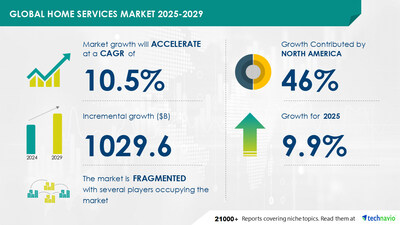
The global home services market is poised for significant growth, with projections indicating an increase of USD 1.03 trillion from 2025 to 2029. This forecasted expansion is attributed to increasing urbanization and the transformative impact of AI on market trends, according to a recent report by Technavio.

Decoding the U.S. Housing Crisis: A Study of Historic Policy Missteps and Demographic Shift

In a revealing study by USC, the roots of the current housing crisis in the United States are traced back to policy missteps and demographic changes that have been unfolding since the early 2000s. The study highlights how these factors have left millennials and people of color disproportionately affected.

Best Real Estate Crowdfunding Platforms for February 2025: Investopedia’s Top Picks

Fundrise stands out for offering investors a chance to diversify their portfolios with real estate exposure through proprietary funds. With a minimum investment as low as $10, it opens doors to beginners and seasoned investors alike.

Top Real Estate Investment Apps of 2025: A Guide for First-Time and Experienced Investors

Business Insider has reviewed a range of platforms available in 2025, focusing on key factors like fees, accessibility for accredited vs. non-accredited investors, and the types of real estate investments offered.