The year 2025 is closing with a fascinating mix of momentum, recalibration, and strategic repositioning across the real estate landscape. Whether you’re an investor, a licensed professional, or someone preparing to enter the industry, the final quarter has delivered strong signals about what the market values most heading into 2026.
This month, global investment firm DWS released its influential Real Estate Strategic Outlooks: Year-End 2025, offering a sweeping view of how capital, behavior, and asset priorities are shifting across U.S. and international markets. Explore their full analysis here: DWS Official Report
The Repricing Era Is stabilizing
One of 2025’s strongest themes is the gradual stabilization of property valuations after multiple years of repricing. As inflation cools and interest rates flatten, investor confidence has strengthened, signaling a market transitioning from correction to opportunity.
For professionals in real estate, mortgage, or appraisal sectors, this stabilization brings clearer models, more consistent expectations, and renewed confidence in long‑term strategy.
Capital Flocks to High-Quality Assets
Data from 2025 reinforces a powerful truth: quality wins. Elite multifamily, logistics, medical, and tech-aligned office assets continue to command top-tier investor attention. Markets from Miami to Seattle show increased selectivity, rewarding properties with strong demand, solid financial performance, and advanced sustainability features.
For those growing their careers—or earning new credentials—understanding this “flight to quality” is essential for predicting where opportunity will surge next.
Sunbelt Markets Still Shine
Florida, Texas, and the Carolinas continue to attract both residents and developers at impressive rates. Florida, in particular, stands out as a national leader in residential and mixed‑use demand.
For Florida professionals, this momentum means 2026 will likely expand opportunities in brokerage, development, logistics, property management, and investment advisory roles.
Students and licensed professionals training through Cameron Academy will find these trends aligning strongly with the skills and pathways they’re preparing to master.
Technology + Human Expertise = The 2026 Advantage
DWS highlights a rising integration of analytics, AI modeling, and data-driven forecasting. But one insight stands out: human expertise remains irreplaceable.
The most successful real estate strategies in 2025 were built on a blend of smart tech and human judgment—something that will define top performers in 2026.
Looking Ahead
As 2026 approaches, the real estate industry appears poised for strategic expansion. Capital is active but thoughtful. Markets are stabilizing but still adjusting. Professionals who understand these dynamics—and invest in expanding their credentials—will be positioned to thrive in the next market cycle.
To explore the complete data and insights shaping this momentum, visit the full DWS Year-End Outlook. And if you’re preparing to upgrade your license, break into a new professional field, or strengthen your career foundation, Cameron Academy continues to support professionals with modern, flexible programs tailored for today’s evolving marketplace.
More Articles
Getting licensed or staying ahead in your career can be a journey—but it doesn’t have to be overwhelming. Grab your favorite coffee or tea, take a moment to relax, and browse through our articles. Whether you’re just starting out or renewing your expertise, we’ve got tips, insights, and advice to keep you moving forward. Here’s to your success—one sip and one step at a time!
Just 48 hours after NAR unveiled major revisions to its MLS policies, plaintiffs in the Michigan-based Hardy lawsuit moved to use those changes as evidence, arguing they prove NAR’s prior rules were anticompetitive. NAR denies any wrongdoing, but the case is quickly becoming a key test for whether MLS access should require Realtor membership — a question now echoing across multiple states and potentially reshaping how real estate professionals nationwide access the industry’s most essential tool.
Florida homeowners are now paying some of the highest insurance premiums in the country, with average costs topping $5,800 per year—nearly double the national average. Residents report skyrocketing rates, denied claims, and tough choices between costly coverage and financial risk. As frustration grows, lawmakers and consumer advocates are pushing new reforms aimed at increasing transparency, capping rate hikes, and protecting policyholders in one of the nation’s most volatile insurance markets.
Economic uncertainty, rapid AI adoption, tighter capital flows, and rising portfolio risk are reshaping the 2026 commercial real estate landscape. From shifting workforce patterns to a national housing attainability crisis, the industry is entering a data‑driven, fundamentals‑focused era—making adaptability, education, and tech literacy essential for real estate professionals.
Mortgage rates have climbed to 6.23 percent as investors grow doubtful that the Federal Reserve will deliver a rate cut in December. A soft but unclear jobs report and persistent inflation have pushed borrowing costs higher, reversing October’s brief relief in the housing market. Real estate and mortgage professionals should prepare clients for continued volatility as the Fed’s December meeting approaches.
After years of tight inventory, high mortgage rates, and sluggish sales, economists say 2026 is shaping up to be the turnaround real estate professionals have been waiting for. NAR projects a 14 percent jump in home sales, mortgage rates easing toward 6 percent, and buyer demand finally gaining momentum. While higher‑end homes are moving quickly, first‑time buyers continue to face affordability challenges, and price reductions are reappearing as sellers adjust to shifting conditions. For Florida agents, brokers, and newcomers, the stage is being set for a busy and opportunity‑rich year.
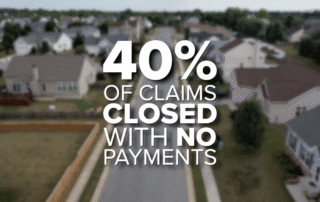
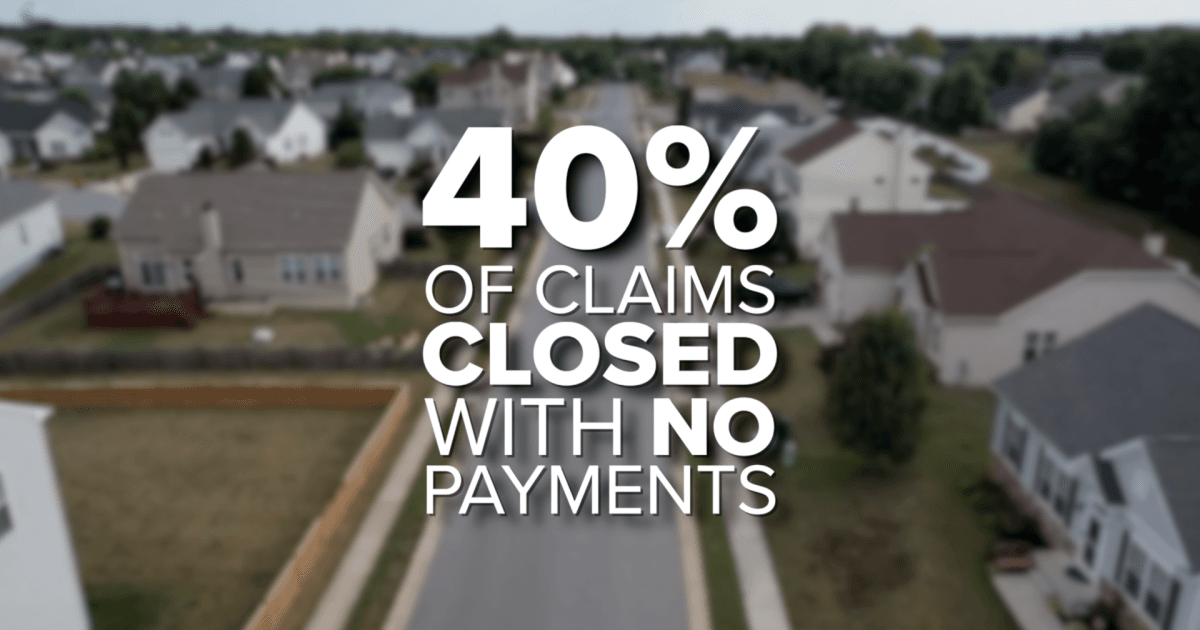
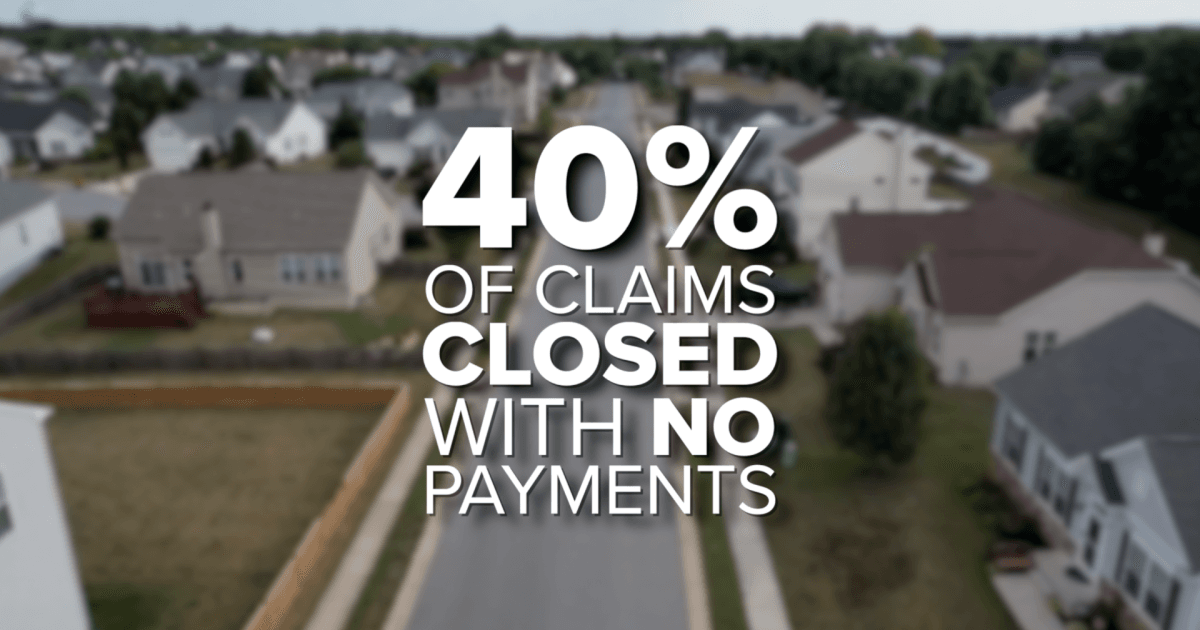
Florida’s average homeowner insurance premium has soared to $5,838 a year—almost $3,000 above the national average—pushing many residents to the financial brink. From tripled premiums to lowball claim payouts, homeowners are speaking out as frustration mounts. Some are even dropping coverage entirely. With more than 40% of claims closed without payment and policy cancellations at record levels, lawmakers are pushing for reforms, but political hurdles remain. The outcome could reshape Florida real estate, insurance, and mortgage markets for years to come.