The year 2025 is closing with a fascinating mix of momentum, recalibration, and strategic repositioning across the real estate landscape. Whether you’re an investor, a licensed professional, or someone preparing to enter the industry, the final quarter has delivered strong signals about what the market values most heading into 2026.
This month, global investment firm DWS released its influential Real Estate Strategic Outlooks: Year-End 2025, offering a sweeping view of how capital, behavior, and asset priorities are shifting across U.S. and international markets. Explore their full analysis here: DWS Official Report
The Repricing Era Is stabilizing
One of 2025’s strongest themes is the gradual stabilization of property valuations after multiple years of repricing. As inflation cools and interest rates flatten, investor confidence has strengthened, signaling a market transitioning from correction to opportunity.
For professionals in real estate, mortgage, or appraisal sectors, this stabilization brings clearer models, more consistent expectations, and renewed confidence in long‑term strategy.
Capital Flocks to High-Quality Assets
Data from 2025 reinforces a powerful truth: quality wins. Elite multifamily, logistics, medical, and tech-aligned office assets continue to command top-tier investor attention. Markets from Miami to Seattle show increased selectivity, rewarding properties with strong demand, solid financial performance, and advanced sustainability features.
For those growing their careers—or earning new credentials—understanding this “flight to quality” is essential for predicting where opportunity will surge next.
Sunbelt Markets Still Shine
Florida, Texas, and the Carolinas continue to attract both residents and developers at impressive rates. Florida, in particular, stands out as a national leader in residential and mixed‑use demand.
For Florida professionals, this momentum means 2026 will likely expand opportunities in brokerage, development, logistics, property management, and investment advisory roles.
Students and licensed professionals training through Cameron Academy will find these trends aligning strongly with the skills and pathways they’re preparing to master.
Technology + Human Expertise = The 2026 Advantage
DWS highlights a rising integration of analytics, AI modeling, and data-driven forecasting. But one insight stands out: human expertise remains irreplaceable.
The most successful real estate strategies in 2025 were built on a blend of smart tech and human judgment—something that will define top performers in 2026.
Looking Ahead
As 2026 approaches, the real estate industry appears poised for strategic expansion. Capital is active but thoughtful. Markets are stabilizing but still adjusting. Professionals who understand these dynamics—and invest in expanding their credentials—will be positioned to thrive in the next market cycle.
To explore the complete data and insights shaping this momentum, visit the full DWS Year-End Outlook. And if you’re preparing to upgrade your license, break into a new professional field, or strengthen your career foundation, Cameron Academy continues to support professionals with modern, flexible programs tailored for today’s evolving marketplace.
More Articles
Getting licensed or staying ahead in your career can be a journey—but it doesn’t have to be overwhelming. Grab your favorite coffee or tea, take a moment to relax, and browse through our articles. Whether you’re just starting out or renewing your expertise, we’ve got tips, insights, and advice to keep you moving forward. Here’s to your success—one sip and one step at a time!
Cybercrime in 2025 has evolved into a full‑scale service economy, with malware now available through subscription platforms that operate like mainstream tech businesses. Bitsight’s latest analysis reveals explosive growth in Malware‑as‑a‑Service tools, rising attacks across industries like healthcare, finance, tech, and real estate, and a surge in cross‑platform malware and supply‑chain exploits. For professionals in any licensed field, the message is clear: today’s digital landscape demands heightened vigilance, stronger identity security, and proactive defense against an increasingly organized underground threat environment.
A new proptech startup in the UAE, Gllit is redefining how property deals happen by removing agents, eliminating commissions, and integrating AI tools that let users create professional listings in seconds. With a fast, transparent, and direct-to-owner model, Gllit offers a glimpse into the future of global real estate — and a powerful case study for U.S. professionals preparing for tech-driven changes in the industry.
The 2026 housing market is shaping up to be a year of stability with a few surprises. Mortgage rates are expected to hold steady, home price growth is slowing, and yet ownership costs continue to rise due to soaring taxes and insurance. Meanwhile, renting is becoming more attractive as affordability improves and built‑to‑rent communities expand. This breakdown highlights the biggest trends ahead — and what they mean for buyers, sellers, and real estate professionals, especially in Florida.
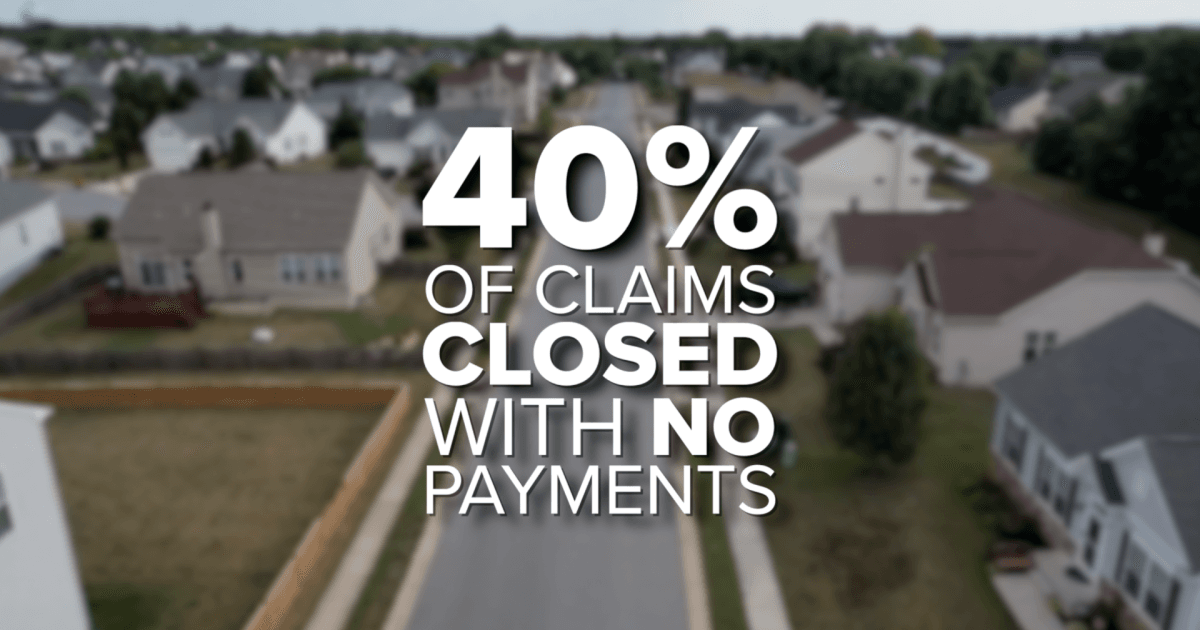
Florida homeowners are facing some of the highest insurance premiums in the nation, with average costs now topping $5,800 per year—about $3,000 above the U.S. average. Many residents report their rates have doubled or even tripled, while more than 40 percent of claims are closed with no payment. As frustration grows, state lawmakers and consumer advocates are pushing for transparency, rate caps, and incentives to help storm‑proof homes. The outcome of these reform efforts could reshape Florida’s real estate market, insurance landscape, and affordability for years to come.
A new global study from Risk.net and SAS reveals that many insurance companies are still making key decisions in isolated silos, despite industry-wide pushes toward data-driven strategies. While most leaders claim to have a clear vision, 38 percent admit they lack a real-time view of risks, revenue and costs. With poor data quality, limited collaboration and outdated processes holding teams back, experts say the industry is poised for a major transformation through AI, analytics and unified strategy—offering lessons for professionals across insurance, real estate, finance and other regulated fields.
Atlanta’s housing market is shifting into a more balanced and predictable phase. Prices have leveled off, inventory has finally caught up, and mortgage rates are easing enough to bring buyers back into the game. With steady demand, growing listings, and only mild price corrections forecasted into 2026, Atlanta remains one of the Southeast’s strongest real estate markets for buyers, sellers, and investors alike.