Ever Wondered Why Everyone’s Buzzing About Real Estate vs. Stocks? Let’s Break It Down!
Alright, let’s talk about something you’ve probably seen pop up countless times on your feed, especially if you’ve ever Googled “how to invest” on a random Tuesday afternoon. Stocks vs. Real Estate – which one’s the better way to build wealth? And once you dive into it, it’s easy to see why reaction videos and discussions about this topic are all over the internet.
So, imagine you’re sitting there with your coffee (or wine, no judgment), browsing through YouTube, and up pops this video by Shelby Church titled “5 Years in Stocks vs. Real Estate: Which Made Me More Money?” Sounds like a solid question, right? We’ve all had that gnawing question about where to put our money. Plus, who doesn’t dream of escaping the 9-5 grind with dividends and rent checks?
The Big Question: Real Estate or Stocks?
Let’s be honest, who hasn’t fantasized about being the next property mogul like they’re walking the set of Selling Sunset? Or maybe you’re more comfortable picturing yourself sipping cocktails while your index fund quietly does its thing in the background.
Our host, Stefan, jumps into Shelby’s comparison and adds his two cents. Right off the bat, he makes one thing clear: Real estate? Not passive. No sir. It’s like that one group project where you do 90% of the work while Greg never shows up. Sure, real estate can make you loads of money, but it’s going to involve a lot more elbow grease than, say, parking your cash in an index fund and binging Netflix for the next few years (or decades).
Stocks – The Quiet Performer
Shelby’s video lays out a pretty shocking stat: If you had invested $300,000 in the stock market in 1988, you’d be looking at a cool $14 million now. Say what?! That’s an almost 4,000% return. Mind blown.
Now before you start imagining Scrooge McDuck swimming in coins, Stefan breaks it down further: stocks, especially if you’re playing it smart with dividends and tax-advantaged accounts, offer those sweet returns and the simplicity many of us crave as we get older. Can we talk about “stress-free” for a second here?
Stocks are like setting up an easygoing autopilot – you invest what you can, and over time, that cash starts multiplying. Of course, nothing’s ever totally risk-free, but stocks offer that peace of mind.
The Glamorous (but High-Maintenance) Life of Real Estate
Not to be outdone, real estate certainly has its positive moments. The allure of being able to leverage your investments is intriguing. Stefan throws out an example: if you put $100,000 down on a $400,000 property, you get to control the whole thing and any appreciation can skyrocket your return.
But, reality kicks in when you crunch numbers: property taxes, insurance, maintenance, commissions, and hello… tenants who may (or may not) be ideal. Real estate’s a commitment, like a long-term relationship. Except instead of remembering anniversaries, you’re fixing water heaters and repainting old railings.
Real Talk: What’s More Painless?
This video was packed with golden nuggets that made me reconsider getting too fancy with real estate. Stefan, about halfway through the video, drops one of those hard-to-hear truths:
“The older I get… I value peace of mind.”
I feel that. Who wouldn’t trade a little bit of additional return for less stress? These days, more than ever, it seems like we’re all craving simplicity.
Stocks and Real Estate – A Balancing Act?
Now, Stefan doesn’t just bash real estate. Heck, he’s been in the game since 2008. He’s seen some major wins from it. But with high mortgage rates and low inventory, real estate is starting to look like more of a headache than a gold mine.
So… What’s the Verdict?
If there’s one thing this video drives home, it’s that there’s no one-size-fits-all answer. For me? As much as I love diving into Zillow, I’m leaning more towards stocks. They hit that sweet spot between returns and “no headaches after 10PM.”
But what about you? Let’s chat in the comments – I’d love to hear your thoughts!
More Articles
Getting licensed or staying ahead in your career can be a journey—but it doesn’t have to be overwhelming. Grab your favorite coffee or tea, take a moment to relax, and browse through our articles. Whether you’re just starting out or renewing your expertise, we’ve got tips, insights, and advice to keep you moving forward. Here’s to your success—one sip and one step at a time!
Los Alamitos Race Course is facing its most serious crisis in years after 18 horses died in 2025, prompting regulators to warn the track that its racing license is at risk without immediate safety reforms. Following three catastrophic injuries in a single day, the California Horse Racing Board has ordered urgent changes—including more veterinarians, stricter medication rules, and enhanced on‑track medical support—as pressure mounts for stronger oversight in a sport already under national scrutiny.
Canadian investors have poured more than US$5.8 billion into U.S. commercial real estate this year, making the U.S. their top destination even amid a lingering tariff dispute. Tight inventory in Canada and greater deal availability south of the border are driving the trend, with data centers and industrial properties emerging as the hottest targets for 2025.
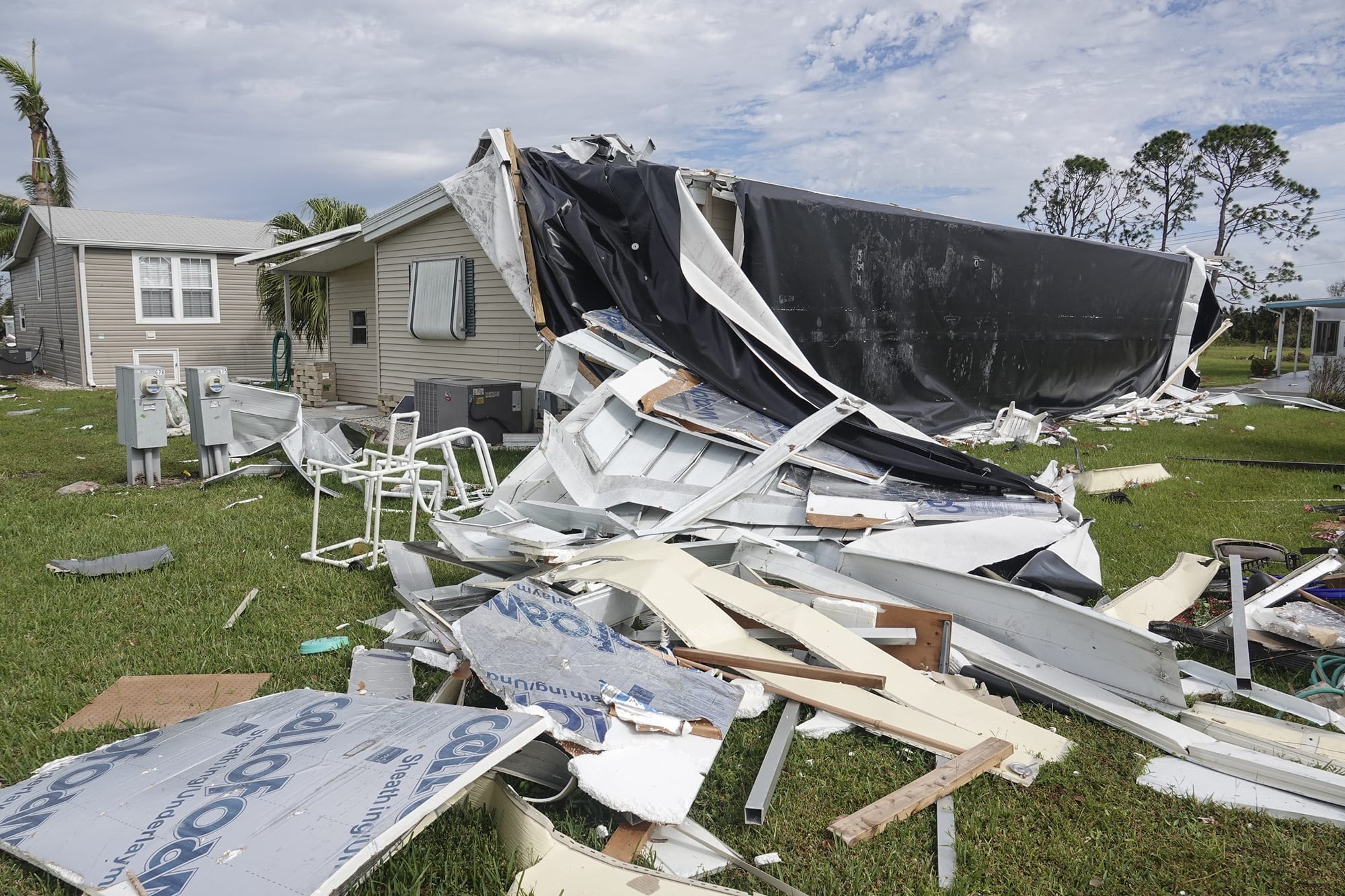
Florida’s insurance commissioner says even industry pros struggle to read today’s 150‑page homeowners policies—leaving residents shocked when hurricane claims are denied. With rising premiums, high replacement costs, and widespread confusion over exclusions like flood and water damage, the state is pushing for simpler, clearer policy language so homeowners know what they’re actually covered for before the next storm hits.
Following the 2025 elections, major metros like New York, Chicago, Miami, Los Angeles, and Boston are implementing policy shifts that could reshape property values, rental income, development timelines, and investment strategy heading into 2026. From New York’s push toward aggressive rent reform to Chicago’s sustainability mandates and Miami’s uncertain mayoral runoff, these changes signal a new era where local politics increasingly dictate market performance. This breakdown highlights the biggest post‑election real estate pivots and what they mean for investors, agents, and finance professionals preparing for a rapidly evolving landscape.
Florida’s Insurance Commissioner is sounding the alarm after thousands of homeowners discovered—only after hurricanes Helene and Milton—that the coverage they thought they had didn’t exist. With nearly 150,000 unpaid claims tied to misunderstood flood exclusions, water‑damage caps, and buried policy clauses, state leaders are pushing to simplify the dense, confusing documents most Floridians never read. As insurance costs remain one of the state’s top concerns, this growing complexity is creating a massive opportunity for real estate, mortgage, and insurance professionals to guide consumers before disaster strikes.
Florida’s insurance market is reliving an old crisis under a new name. Despite reforms meant to stabilize the system, homeowners are being forced out of Citizens and into pricier policies from small insurers with shaky financial histories. Companies tied to past insolvencies are returning with fresh branding, while highly rated carriers continue to deny a majority of claims. With political influence muddying regulation and climate risks rising, experts warn that only a full structural overhaul—not cosmetic reforms—can restore confidence for homeowners, agents, and the entire real estate market.