Real Estate’s Resilience Amidst Economic Turbulence
In a riveting discussion at the
Fortune Future of Finance conference, real estate experts Sean Dobson and Julie Ingersoll explored the perplexing durability of the
housing market. Despite numerous economic pressures, home prices remain steadfast, a phenomenon senior editor-at-large Shawn Tully likened to “defying gravity.”
Commercial Real Estate in Crisis
The conversation shifted between the residential and commercial sectors, with
Julie Ingersoll, from
CBRE Investment Management, highlighting the vulnerabilities faced by
commercial real estate. The sector grapples with higher interest rates and dwindling demand, particularly in office spaces. Ingersoll noted the alarming office vacancy rate, which has soared to 18% and may soon reach 20%.
The NIMBY Challenge
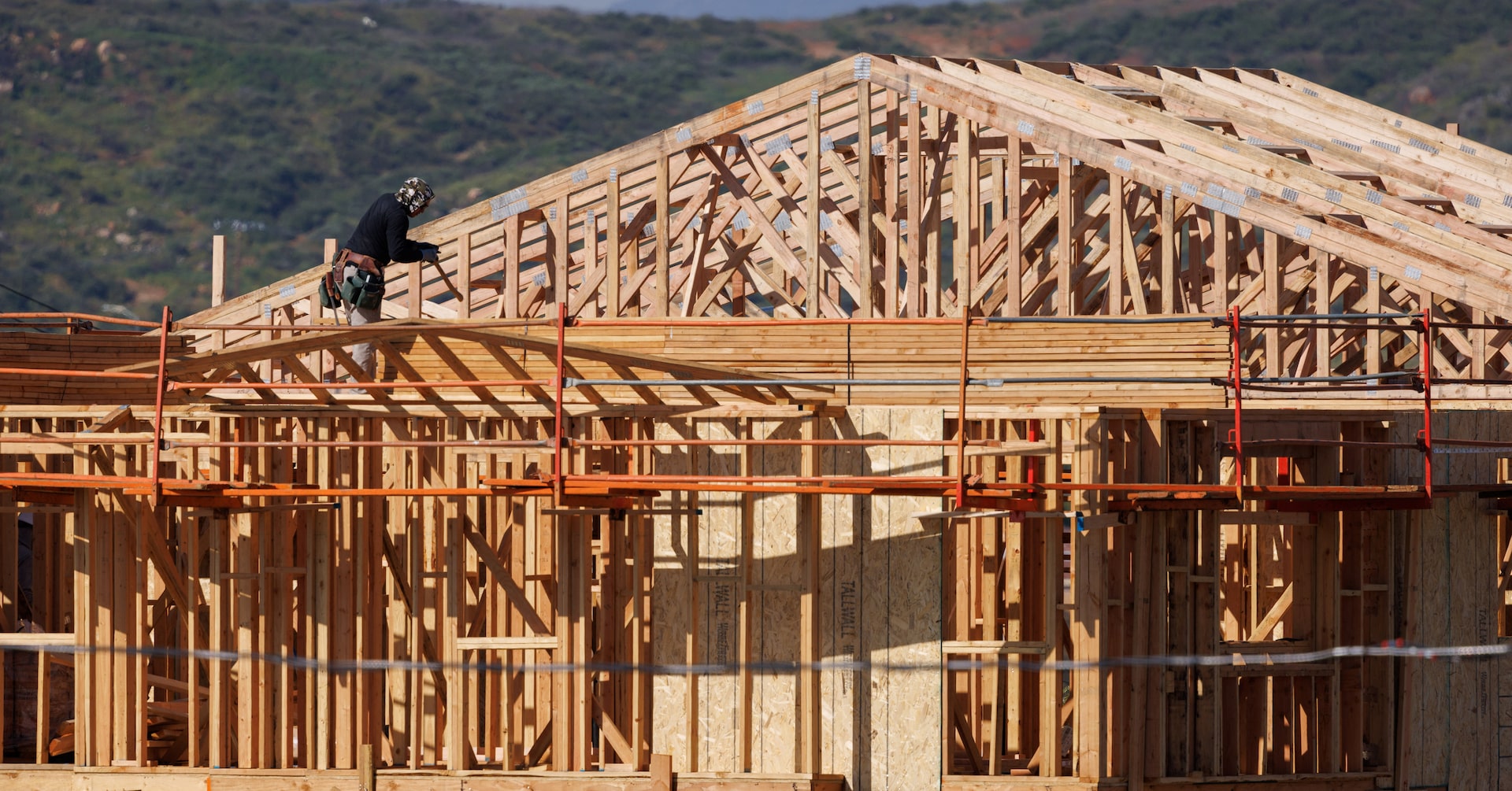
The dialogue also addressed the historic inventory crisis exacerbated by
NIMBYism—”not in my backyard” attitudes that hinder housing development. Ingersoll pointed to California’s struggles, where policy failures and community resistance continue to stifle housing supply despite recent legislative efforts to ease building constraints.
The Remote Work Revolution
Remote work‘s enduring impact on real estate was another focal point. Sean Dobson, of
Amherst Group, discussed how remote work has reshaped the sector, contributing to the pandemic housing boom and altering office dynamics. He predicted that hybrid work models are here to stay, challenging traditional commuting cultures.
Converting Commercial to Residential
Ingersoll proposed converting underutilized commercial properties into residential spaces as a potential solution to the
housing shortage. However, she acknowledged the financial and logistical hurdles involved in such transformations.
Unique American Factors
The dialogue underscored uniquely American elements affecting the market, such as the 30-year mortgage and the decentralized nature of housing governance. These factors contribute to the complex landscape of real estate in the United States.
Conclusion
As the real estate sector navigates these challenges, the insights shared by Dobson and Ingersoll offer a nuanced understanding of the forces at play. Their discussion at the conference, as reported in the
original article, underscores the intricate interplay between economic pressures and market resilience.