Real Estate’s Resilience Amidst Economic Turbulence

In a riveting discussion at the Fortune Future of Finance conference, real estate experts Sean Dobson and Julie Ingersoll explored the perplexing durability of the housing market. Despite numerous economic pressures, home prices remain steadfast, a phenomenon senior editor-at-large Shawn Tully likened to “defying gravity.”
Commercial Real Estate in Crisis The conversation shifted between the residential and commercial sectors, with Julie Ingersoll, from CBRE Investment Management, highlighting the vulnerabilities faced by commercial real estate. The sector grapples with higher interest rates and dwindling demand, particularly in office spaces. Ingersoll noted the alarming office vacancy rate, which has soared to 18% and may soon reach 20%.
The NIMBY Challenge The dialogue also addressed the historic inventory crisis exacerbated by NIMBYism—”not in my backyard” attitudes that hinder housing development. Ingersoll pointed to California’s struggles, where policy failures and community resistance continue to stifle housing supply despite recent legislative efforts to ease building constraints.
The Remote Work Revolution Remote work‘s enduring impact on real estate was another focal point. Sean Dobson, of Amherst Group, discussed how remote work has reshaped the sector, contributing to the pandemic housing boom and altering office dynamics. He predicted that hybrid work models are here to stay, challenging traditional commuting cultures.
Converting Commercial to Residential Ingersoll proposed converting underutilized commercial properties into residential spaces as a potential solution to the housing shortage. However, she acknowledged the financial and logistical hurdles involved in such transformations.
Unique American Factors The dialogue underscored uniquely American elements affecting the market, such as the 30-year mortgage and the decentralized nature of housing governance. These factors contribute to the complex landscape of real estate in the United States.
Conclusion As the real estate sector navigates these challenges, the insights shared by Dobson and Ingersoll offer a nuanced understanding of the forces at play. Their discussion at the conference, as reported in the original article, underscores the intricate interplay between economic pressures and market resilience.


More Articles

Getting licensed or staying ahead in your career can be a journey—but it doesn’t have to be overwhelming. Grab your favorite coffee or tea, take a moment to relax, and browse through our articles. Whether you’re just starting out or renewing your expertise, we’ve got tips, insights, and advice to keep you moving forward. Here’s to your success—one sip and one step at a time!

The Hidden Mold Crisis Fueled by Extreme Weather

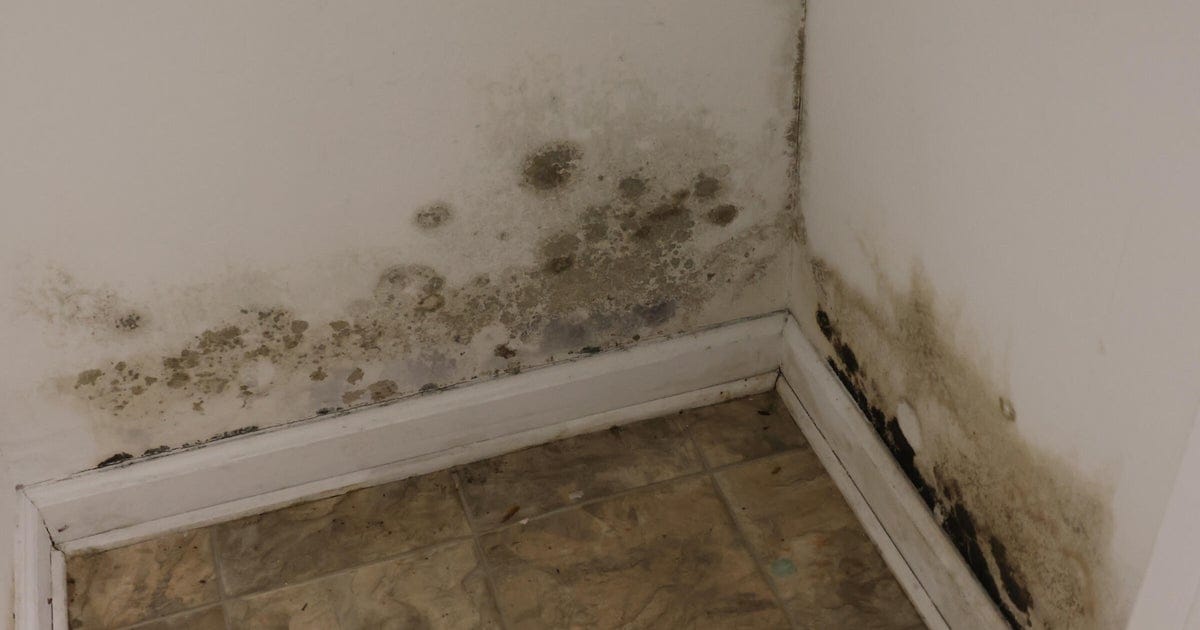
Extreme storms are triggering a surge in hidden mold growth across nearly half of U.S. homes, creating a growing health and financial emergency for families and real estate professionals. From rapid post‑storm mold development to soaring remediation costs, this silent threat is reshaping property safety, insurance challenges, and the future of housing in high‑risk regions.

Rocket Mortgage Faces Class Action for Alleged Opt‑Out Violations After 12 Unwanted Calls

A Florida consumer has filed a class action accusing Rocket Mortgage of repeatedly calling her even after confirming her opt‑out request, marking the company’s 56th TCPA‑related lawsuit. The complaint claims Rocket continued outreach for nearly three weeks—despite a STOP confirmation—and could impact more than 10,000 consumers nationwide.

Mortgage Rates Hit Month‑High as Loan Demand Falls 5%

Mortgage rates rose for the third straight week, reaching their highest level in a month and triggering a 5.2% drop in overall mortgage applications. Refinance activity slid 7%, purchase demand dipped 2%, and analysts say uncertainty in the bond market is keeping rates on a choppy path. Despite the pullback, today’s loan activity still sits well above last year’s lows, signaling that buyers remain active—but increasingly cautious.

Florida Approves 6.9% Workers’ Compensation Rate Cut for 2026

Florida has approved a 6.9% reduction in workers’ compensation insurance rates for 2026, marking the ninth straight year of decreases. The cut, signed by Insurance Commissioner Mike Yaworsky, takes effect January 1 and lowers costs for all new and renewal policies. State officials say the trend reflects improved workplace safety and will help businesses reduce expenses and support growth across industries including real estate, construction, and property management.

Is Now the Right Time to Buy a Home? Market Shifts Are Finally Giving Buyers the Upper Hand

Mortgage rates are dipping, inventory is soaring, and—for the first time in years—buyers have real leverage. While home prices remain at record highs and the economy feels unpredictable, rising inventory and cooling rates are creating rare opportunities for financially ready buyers. If you’ve been waiting for the market to open a door, this may be your moment to step through.

Is Miami Becoming New York’s Millionaire Relocation Spot?

Miami developers are pitching 'safe spaces' for millionaires amid fears of a political shift in New York City. Concerns over higher taxes and crime are prompting some New Yorkers to consider relocating south.

By |November 6, 2025|Categories: Article, Migration Trends, Real Estate|Tags: |0 Comments