Washington, D.C., a city often labeled as a “swamp,” is simultaneously a beacon for those driven by a sense of mission and purpose. While the term “swamp” has been used pejoratively to describe the political landscape of the capital, many who reside and work there see it as a place where significant contributions to society are made. This dual perception is explored in an insightful NPR article by Brian Naylor.
From the early days of its establishment, Washington has been criticized. Timothy Noah, a writer and journalist, notes that even before the city was built, it was described as a “political hive” by Thomas Treadwell, an Anti-Federalist senator. Yet, this view overlooks the “other” Washington, where residents and workers strive to make a positive impact.
In this “other” Washington, the National Institutes of Health in Bethesda, Maryland, played a crucial role in developing the blueprint for the COVID-19 vaccine. According to Noah, this breakthrough was not the result of private companies but rather the work of dedicated government researchers.
Federal agencies are involved in a wide array of functions, from managing the National Parks to processing tax returns and launching telescopes into deep space. Eric Choy, a leader in Customs and Border Protection, is committed to stopping the import of goods produced by forced labor, driven by a sense of duty to uphold national values.
Choy, who was honored with the Service to America Medal, emphasizes the importance of service to something greater than oneself. His perspective is shared by others like Christy Delafield of FHI 360, who moved to D.C. to contribute to global health and humanitarian aid systems.
Ryan O’Toole, a congressional staffer, reflects on his experiences in Washington, including being in the House chamber during the January 6th Capitol riot. He witnessed Senate staffers safeguarding the electoral college votes, actions he describes as heroic.
Despite its reputation, Washington is a vibrant and diverse community. While some may come seeking fame or fortune, many more are motivated by the desire to do good, as highlighted in Naylor’s article. This narrative challenges the notion of D.C. as merely a swamp, portraying it instead as a place where meaningful work is pursued.
For more insights on the history and dynamics of Washington, D.C., explore this National Mall history.
More Articles
Getting licensed or staying ahead in your career can be a journey—but it doesn’t have to be overwhelming. Grab your favorite coffee or tea, take a moment to relax, and browse through our articles. Whether you’re just starting out or renewing your expertise, we’ve got tips, insights, and advice to keep you moving forward. Here’s to your success—one sip and one step at a time!
AI-powered sentiment analysis is giving real estate investors a major edge by scanning millions of online conversations to detect market shifts long before traditional data responds. From predicting neighborhood momentum to spotting declining tenant satisfaction, this technology captures real-time public emotion across office, retail, and multifamily sectors. As trends in sentiment become as important as demographics and NOI, professionals who understand these tools will stay ahead of the next market move.
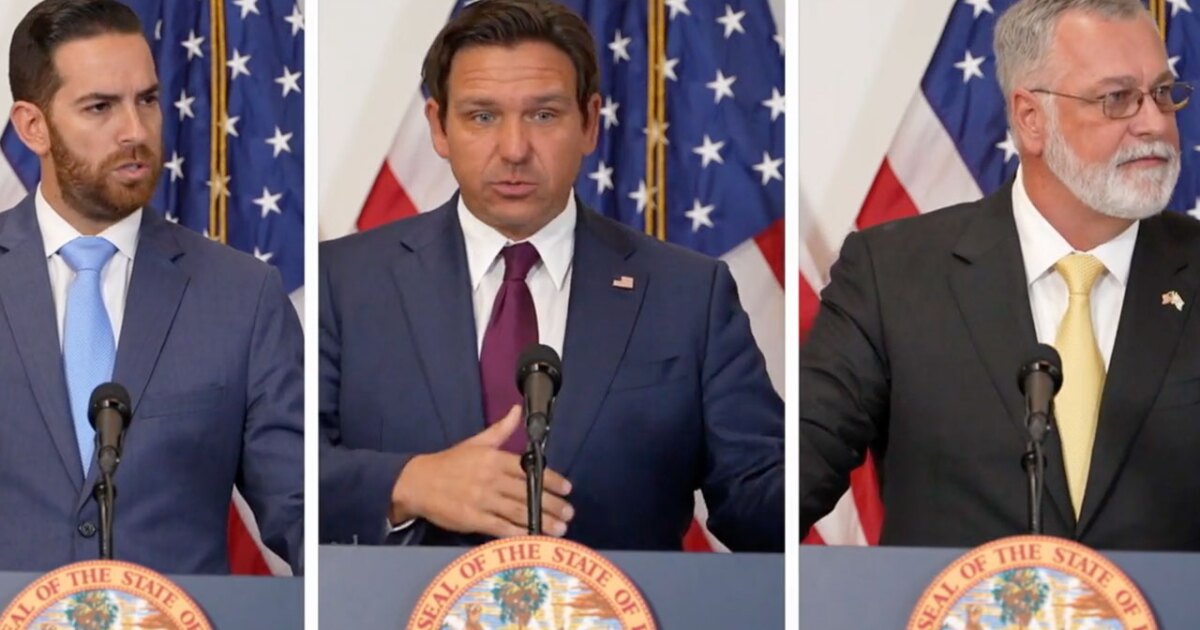
Florida lawmakers are racing toward a high-stakes finish to the legislative session as a sweeping property tax overhaul triggers fierce debate. The House is pushing to eliminate most non-school property taxes on primary homes, while the Senate urges caution and Gov. Ron DeSantis floats even bigger changes. With Democrats warning of budget crises and only weeks left to strike a deal, the future of Florida’s tax structure—and its real estate market—hangs in the balance.
Florida homeowners are getting rare financial relief as the emergency insurance assessment—added after multiple insurers collapsed post‑Hurricane Ian—has been paid off two years early. The early payoff wipes out the charge of about $30 per household per year and delivers more than $650 million in statewide savings. With the insurance market stabilizing faster than expected, real estate and insurance professionals can expect a slightly more favorable environment for buyers and policyholders alike.
After years of pandemic‑driven disruption, rising vacancies, and interest‑rate volatility, confidence is finally returning to commercial real estate. Major analysts report that leasing activity is accelerating, investor appetite is rising, and high‑quality properties are leading the rebound. With investment volumes expected to jump and vacancies beginning to fall, 2026 is shaping up to be the long‑awaited turning point for the industry.
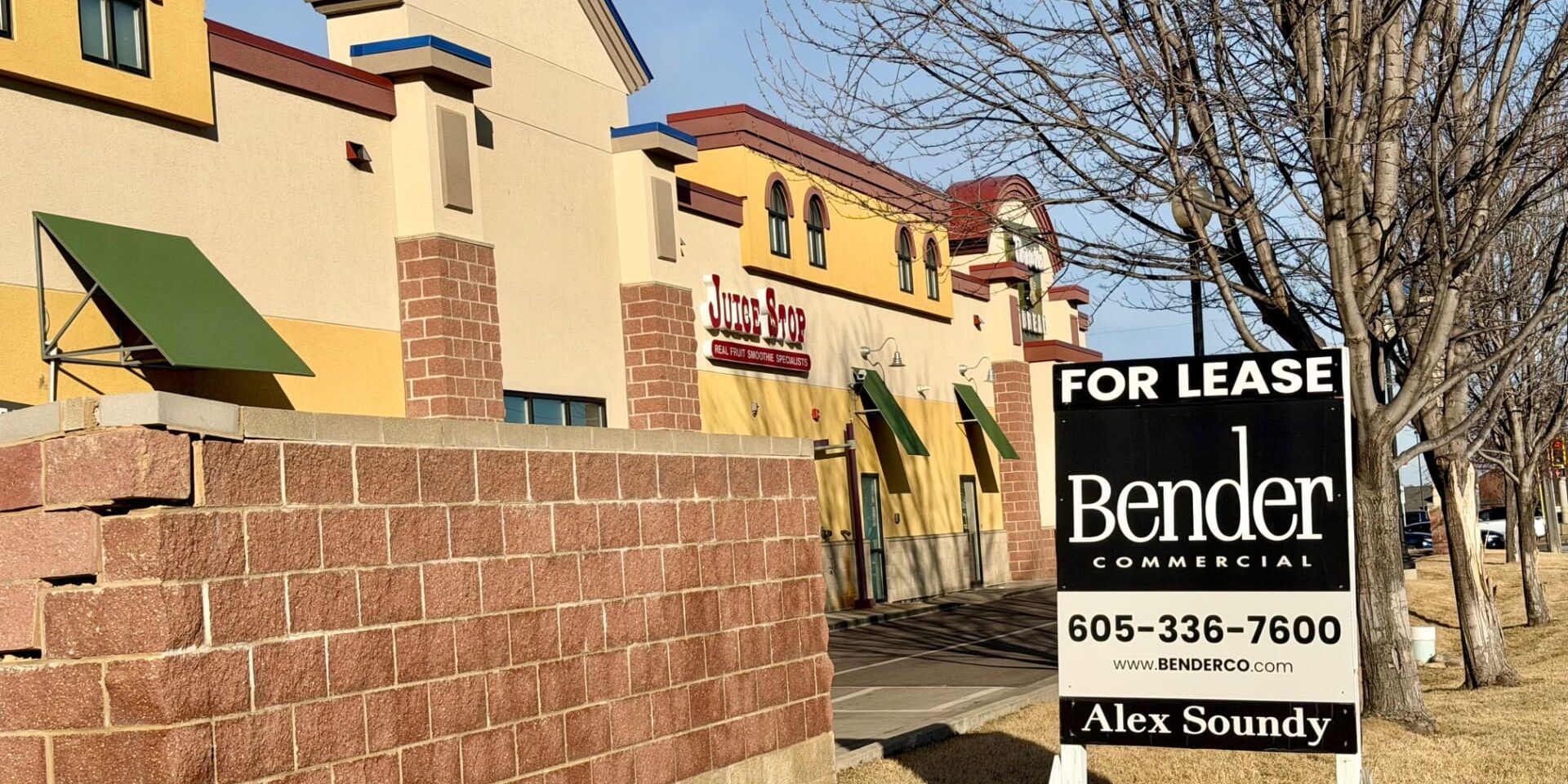
Sioux Falls enters 2026 with a commercial real estate market outperforming nearly every regional competitor. Fueled by strong fundamentals, major private investment, and confidence across all sectors, the city is positioned for what experts call “white‑hot economic activity.” From booming land sales and rising retail absorption to stabilizing office and industrial sectors, the metro’s momentum is undeniable—making it a prime environment for real estate professionals and investors looking for opportunity.
Florida lawmakers have advanced HB 767, a major insurance transparency bill that would create a statewide online rate database, boost consumer education, and prevent insurers from using land value to inflate premiums. The proposal promises clearer insurance data and stronger accountability—bringing much‑needed relief and insight to homeowners, real estate agents, mortgage professionals, and insurance producers across the state.