In a recent discussion on the evolving landscape of education, Reid Hoffman, cofounder of LinkedIn, has suggested that the rise of AI tools like ChatGPT necessitates a transformation in how college assessments are conducted. As reported by Business Insider, Hoffman emphasizes the need for educational systems to adapt in order to maintain academic integrity and promote genuine learning.


Hoffman argues that traditional assessments, such as essays, are at risk of being undermined by AI technologies that can be used to facilitate cheating. He proposes that educational institutions should consider incorporating more challenging formats, such as oral exams, which require students to demonstrate a deeper understanding of the material. “Whether it’s an essay or an oral exam or anything else — you’re going to go in, and the AI examiner is going to be with you doing that,” Hoffman stated, underscoring the potential for AI to play a role in the examination process itself.


Reid hoffman, a cofounder of linkedin, says ai should be a part of college curriculums.
Image credit: Dominik Bindl/Getty Images

In addition to proposing new forms of assessment, Hoffman advocates for the integration of AI into college curriculums. He believes that, rather than avoiding AI, educators should embrace it as a tool to enhance learning experiences. This approach, he argues, would better prepare students for future workplaces where AI is expected to be a significant component.


Hoffman’s insights reflect a broader concern among educators about the potential for AI-driven academic dishonesty. As AI technologies continue to evolve, the challenge will be to find ways to leverage these tools to support, rather than undermine, educational goals.


For more information on Reid Hoffman’s perspective and the implications of AI in education, you can read the original article on Business Insider.

More Articles

Getting licensed or staying ahead in your career can be a journey—but it doesn’t have to be overwhelming. Grab your favorite coffee or tea, take a moment to relax, and browse through our articles. Whether you’re just starting out or renewing your expertise, we’ve got tips, insights, and advice to keep you moving forward. Here’s to your success—one sip and one step at a time!

2025 Commercial Real Estate Outlook: Navigating a New Era

The commercial real estate landscape is on the brink of transformation as leaders seek to navigate the challenges of recent years and position their organizations for future opportunities.

The Emerging Mental Health Crisis Among Healthcare Workers During the COVID-19 Pandemic

The pandemic has ushered in a wave of mental health challenges that affect healthcare workers profoundly. From the onset of COVID-19, these professionals have been at the forefront, facing immense pressure, long hours, and the constant fear of exposure.

By |December 18, 2024|Categories: Article, Healthcare Workers, Mental Health|Tags: , |0 Comments

Ethical Concerns of Large Language Models in Healthcare

Exploring the dual nature of LLMs offers substantial benefits in healthcare but also raises significant ethical concerns, underscoring the need for well-defined guidelines and human oversight.

The Role of Wearable Devices in Chronic Disease Monitoring and Patient Care: A Comprehensive Review

Wearable devices have become integral in managing chronic conditions by providing continuous health data, empowering patients and healthcare professionals with insights that were previously unattainable.

AI Training Mandates: Navigating Legal Waters in Dentistry

The integration of artificial intelligence (AI) into dental practices is more than a technological trend; it represents a seismic shift in the industry. This transformation is reshaping skill sets and prompting a thorough examination of legal and ethical implications.

By |December 17, 2024|Categories: Article, Legal, Technology|Tags: , |0 Comments

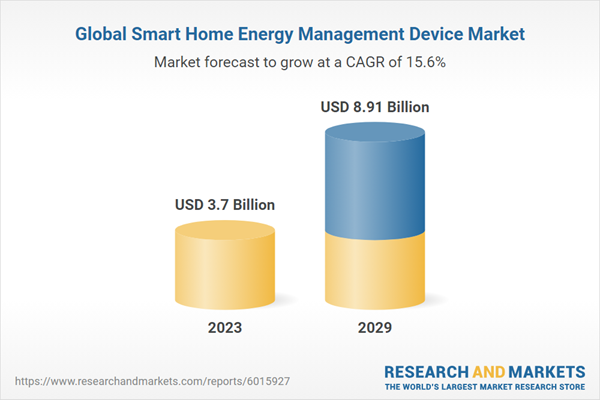
Smart Home Energy Management Devices: A Market Poised for Growth

The Global Smart Home Energy Management Device Market is on the brink of a significant transformation, driven by escalating demands for energy-efficient solutions and the increasing adoption of smart home technologies.