Remote Online Notarization (RON) Legislation: A New Era in California
Modernizing the Notarization Process with Groundbreaking Legislation
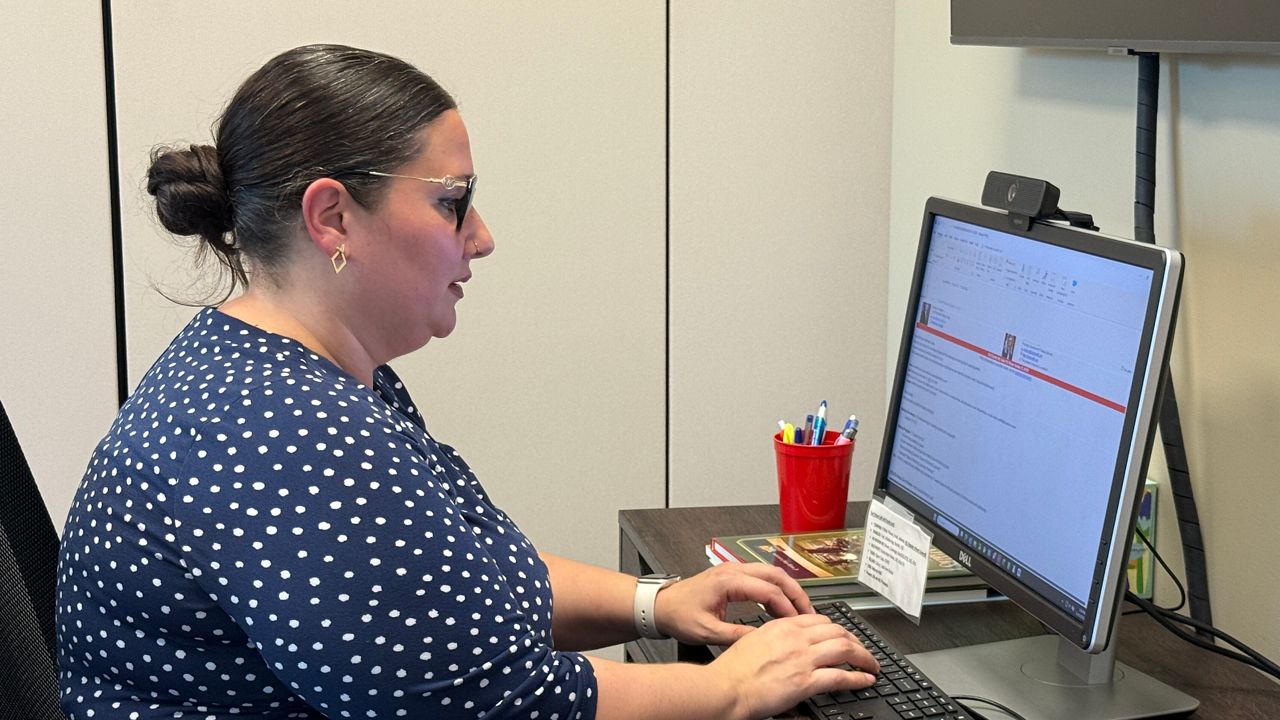
The recent approval of Remote Online Notarization (RON) legislation in California is a significant development that Cameron Academy is thrilled to discuss. This progressive bill, signed into law by Governor Gavin Newsom, enables individuals to notarize their documents remotely using advanced audiovisual technology. In this article, we delve into the advantages of RON legislation, the phased implementation process in California, and what this means for the future of notarization.
Exploring the Benefits of Remote Online Notarization (RON)
The introduction of RON legislation in California brings about numerous advantages that revolutionize the notarization process. By embracing digital advancements, California is empowering individuals and businesses with:
- Enhanced Convenience and Accessibility: RON allows individuals to notarize documents from the comfort of their homes or offices, eliminating the need for physical appointments and providing greater scheduling flexibility.
- Significant Time and Cost Savings: By eliminating travel time and expenses associated with traditional notarization, RON saves both time and money for all parties involved.
- Improved Security: RON platforms employ advanced security measures, such as encryption, multi-factor authentication, and tamper-evident technology, to ensure the integrity and authenticity of notarized documents.
- Streamlined Workflow: The digitalization of documents and automation of certain steps in RON simplifies the notarization process, reducing errors and delays.

Understanding the Phased Implementation Process
California plans to implement RON in a carefully phased manner to ensure a smooth transition. This gradual approach provides notaries and other stakeholders ample time to adapt to the new requirements. By 2030, full functionality of RON is expected, paving the way for a comprehensive and efficient remote notarization process.

RON’s Growing Popularity in the Digital Age
With the increasing digital transformation, the popularity of Remote Online Notarization has skyrocketed, further accelerated by the COVID-19 pandemic. The convenience of remotely notarizing documents has become increasingly appealing. This progressive legislation in California recognizes the growing demand for remote services and effectively addresses it.

Security and Integrity: Comparing RON and Traditional Notarization
Despite common misconceptions, Remote Online Notarization does not compromise the security and integrity of the notarization process. Notaries are still responsible for verifying the identity of the signer and ensuring the authenticity of the documents being notarized. With the use of audiovisual technology, RON maintains the same level of trust and reliability as traditional notarization methods.
Implications for the Future: Embracing Modernization
The approval of RON legislation in California signifies a major milestone in modernizing the notarization process. It sets a precedent for other states to follow suit and embrace the benefits of remote notarization. However, it’s important to note that each state may have its own specific requirements and regulations regarding RON. Individuals must familiarize themselves with the laws in their respective states to ensure compliance.
Conclusion: Remote Online Notarization – A Game-Changer
The passage of RON legislation in California is a groundbreaking achievement that paves the way for a more efficient and accessible notarization process. By embracing technology and adapting to the changing needs of society, California has taken a major step towards modernization. As this legislation takes effect, individuals can look forward to the convenience and flexibility of remote notarization, all while maintaining the highest standards of security and integrity.
Empower Your Career with Online Education
Cameron Academy is committed to fostering continuous learning and professional growth. Our online career education courses are tailored for individuals seeking to enhance their skills and stay competitive in their respective industries. Whether you’re looking to renew your professional license or explore new career opportunities, our courses are designed to meet your needs. Don’t miss out on the opportunity to invest in your future. Enroll today!
Take a step towards success and empower your potential with Cameron Academy’s online career education courses. Our courses are designed to provide you with the knowledge and skills you need to thrive in today’s competitive job market. Whether you’re looking to advance in your current career or explore new opportunities, our flexible and comprehensive courses will help you achieve your goals.
Explore a Wide Range of Courses
Visit our website to explore a wide range of online career education courses. From real estate education to professional license renewal, we have the courses you need to elevate your career. Don’t wait, start investing in your future today!
Explore Our Courses