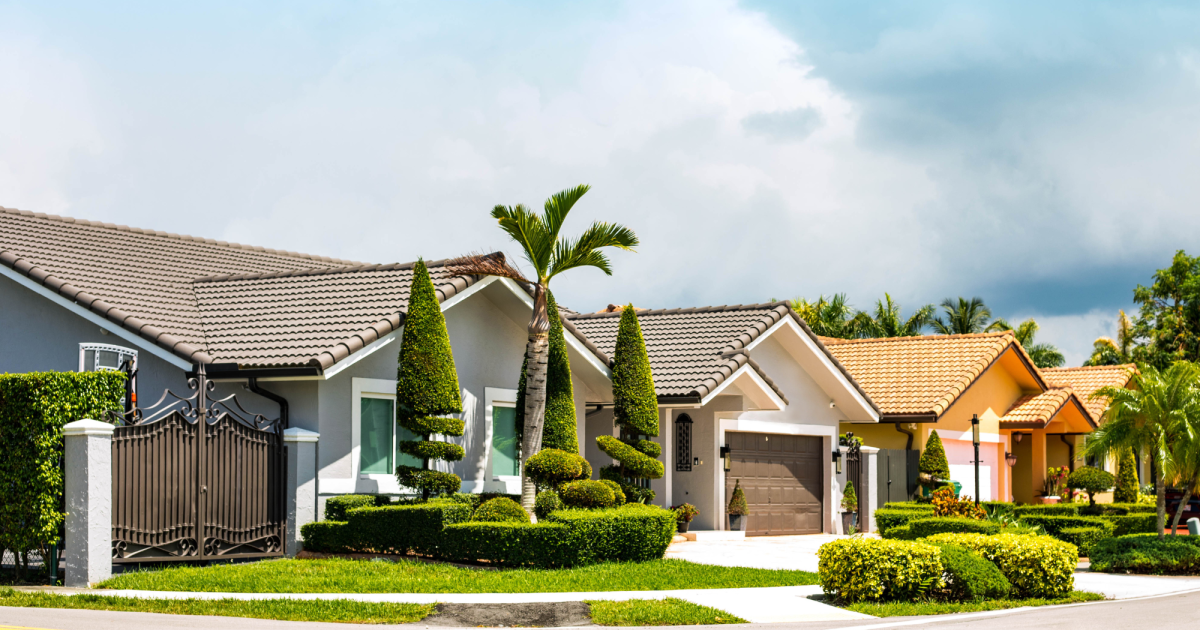
In the evolving landscape of the restaurant industry, remote work is redefining the way businesses operate. As more employees embrace hybrid and remote work environments, a shift in dining habits is emerging, prompting fast-casual chains to adapt their strategies. According to the U.S. Chamber of Commerce, chains like DIG, CAVA, and Sweetgreen are experiencing success in suburban markets as they cater to the changing needs of their customers.
Suburban Expansion: A Strategic Move
With over half of U.S. employees now working in hybrid or remote settings, restaurant chains are finding suburban locations more lucrative. A Gallup poll indicates that 52% of workers are in hybrid environments, compared to just 32% in 2019. This shift has led to a decline in urban store visits, prompting chains to focus on suburban development.
For instance, DIG, a New York-based chain, has strategically opened locations in suburban areas like Stamford, Connecticut, and Bethesda, Maryland. Tracy Kim, CEO of DIG, noted, “COVID changed consumer behavior— I think forever, frankly.” The company is now focusing on residential areas to capture the all-day dining market, a departure from its previous lunch-heavy urban operations.
Operational Adjustments for New Markets
Adapting to suburban markets requires operational changes. DIG, for example, has observed a shift toward more all-day dining in these areas, necessitating a consistent level of service throughout the day. “The business is much more spread out throughout the day,” Kim said, likening the change to “the difference between a sprint and a marathon.”
Additionally, suburban locations demand more on-site dining capacity and parking space, as customers prefer to dine in with family, including small children. Kim emphasized the importance of creating a welcoming dining room atmosphere, a consideration less critical in urban settings.
Challenges and Opportunities
Despite the opportunities, suburban expansion is not without challenges. The availability of prime real estate is limited, with suburban areas experiencing increased competition for retail spaces. Daniel Diebel, an economist at CBRE Econometric Advisors, highlighted the competition for these spaces, noting that urban real estate availability has now exceeded suburban availability for the first time.
However, the migration to the suburbs presents a long-term opportunity for restaurants. As Diebel remarked, “We think this more hybrid working environment is going to persist. Once consumers find something they like, they continue to do it.”
Success in Smaller Markets
Chains like CAVA and Sweetgreen are also capitalizing on the trend. CAVA, which had already been exploring suburban development before the pandemic, has found success in both urban and suburban markets. The company is now expanding by converting Zoe’s Kitchen locations into higher-volume CAVA-branded sites, as noted in their 2018 acquisition strategy.
Similarly, Sweetgreen has seen strong performance in suburban areas, with new locations performing on par with top urban sites. The company is even testing its latest automation innovations in suburban units before rolling them out to urban locations.
As remote work continues to shape consumer behavior, the restaurant industry is adapting to meet the demands of a new dining landscape. With strategic suburban expansions and operational adjustments, fast-casual chains are poised to thrive in this evolving market.