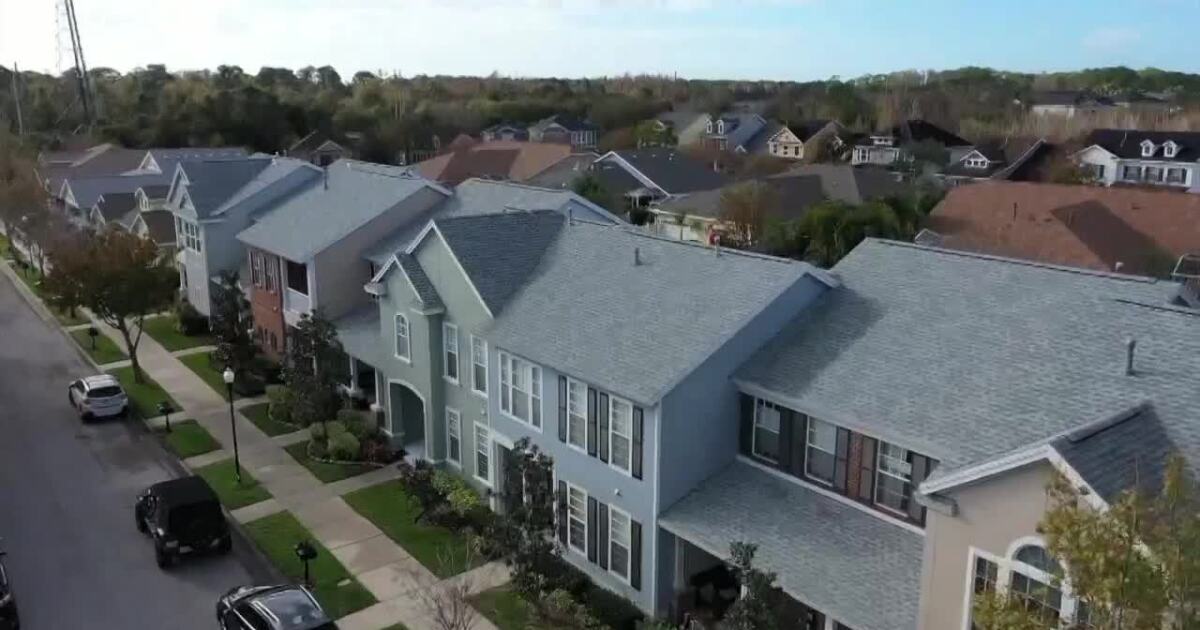
In the evolving landscape of the restaurant industry, remote work is redefining the way businesses operate. As more employees embrace hybrid and remote work environments, a shift in dining habits is emerging, prompting fast-casual chains to adapt their strategies. According to the U.S. Chamber of Commerce, chains like DIG, CAVA, and Sweetgreen are experiencing success in suburban markets as they cater to the changing needs of their customers.

Suburban Expansion: A Strategic Move

With over half of U.S. employees now working in hybrid or remote settings, restaurant chains are finding suburban locations more lucrative. A Gallup poll indicates that 52% of workers are in hybrid environments, compared to just 32% in 2019. This shift has led to a decline in urban store visits, prompting chains to focus on suburban development.

For instance, DIG, a New York-based chain, has strategically opened locations in suburban areas like Stamford, Connecticut, and Bethesda, Maryland. Tracy Kim, CEO of DIG, noted, “COVID changed consumer behavior— I think forever, frankly.” The company is now focusing on residential areas to capture the all-day dining market, a departure from its previous lunch-heavy urban operations.

Operational Adjustments for New Markets

Adapting to suburban markets requires operational changes. DIG, for example, has observed a shift toward more all-day dining in these areas, necessitating a consistent level of service throughout the day. “The business is much more spread out throughout the day,” Kim said, likening the change to “the difference between a sprint and a marathon.”

Additionally, suburban locations demand more on-site dining capacity and parking space, as customers prefer to dine in with family, including small children. Kim emphasized the importance of creating a welcoming dining room atmosphere, a consideration less critical in urban settings.

Challenges and Opportunities

Despite the opportunities, suburban expansion is not without challenges. The availability of prime real estate is limited, with suburban areas experiencing increased competition for retail spaces. Daniel Diebel, an economist at CBRE Econometric Advisors, highlighted the competition for these spaces, noting that urban real estate availability has now exceeded suburban availability for the first time.

However, the migration to the suburbs presents a long-term opportunity for restaurants. As Diebel remarked, “We think this more hybrid working environment is going to persist. Once consumers find something they like, they continue to do it.”

Success in Smaller Markets

Chains like CAVA and Sweetgreen are also capitalizing on the trend. CAVA, which had already been exploring suburban development before the pandemic, has found success in both urban and suburban markets. The company is now expanding by converting Zoe’s Kitchen locations into higher-volume CAVA-branded sites, as noted in their 2018 acquisition strategy.

Similarly, Sweetgreen has seen strong performance in suburban areas, with new locations performing on par with top urban sites. The company is even testing its latest automation innovations in suburban units before rolling them out to urban locations.

As remote work continues to shape consumer behavior, the restaurant industry is adapting to meet the demands of a new dining landscape. With strategic suburban expansions and operational adjustments, fast-casual chains are poised to thrive in this evolving market.


More Articles

Getting licensed or staying ahead in your career can be a journey—but it doesn’t have to be overwhelming. Grab your favorite coffee or tea, take a moment to relax, and browse through our articles. Whether you’re just starting out or renewing your expertise, we’ve got tips, insights, and advice to keep you moving forward. Here’s to your success—one sip and one step at a time!

Commercial Real Estate Steadies as Confidence Strengthens in Late 2025

The commercial real estate sector closed out 2025 with renewed stability, as the Real Estate Roundtable’s latest sentiment index shows rising confidence and improving market fundamentals. Executives report better access to capital, stronger performance in residential, retail, and hospitality, and early signs of recovery in the office market. With financing loosening and asset values climbing, the outlook for 2026 is increasingly optimistic, creating fresh opportunities for both seasoned professionals and newcomers preparing to enter the field.

What the CFPB’s New Disparate Impact Proposal Could Mean for Lenders and Real Estate Pros

The CFPB is proposing changes to how lenders evaluate “disparate impact” under the Equal Credit Opportunity Act, potentially tightening the scrutiny on credit decisions that unintentionally disadvantage protected groups. These updates could reshape underwriting models, lending criteria, and compliance requirements — ultimately influencing mortgage approvals, buyer qualifications, and day‑to‑day real estate activity.

Florida’s Insurance Battle Heats Up: The 2026 Political Showdown Every Property Professional Should Watch

Florida’s insurance crisis has become the defining issue heading into 2026, with Republicans touting recent market improvements while Democrats argue families are still being crushed by soaring premiums. From billion‑dollar auto insurance refunds to condo markets destabilized by post‑Surfside rate spikes, the state’s political divide is shaping the future of real estate, insurance, and affordability for millions.

Insurance Regulation Takes Center Stage: Key Changes Professionals Must Watch This Month

October 2025 brought a wave of major regulatory updates across insurance, finance, and compliance. From stricter oversight on retail insurers and new FCA rules on ESG and travel insurance, to EIOPA’s EU‑wide consultations and refreshed corporate governance standards, regulators signaled higher expectations and faster change ahead. For professionals—and those pursuing licenses—these shifts directly impact risk management, product design, and consumer outcomes, making regulatory awareness a critical competitive advantage.

Commercial Real Estate Lending Roars Back in Q3 as Confidence Surges Across the Market

After nearly two years of sluggish activity, commercial real estate lending is finally accelerating—fast. New data from CBRE shows loan closings jumped 112% year‑over‑year in Q3 2025, reaching their highest level since 2018. With interest rates stabilizing and credit spreads tightening, investors are returning, banks are re‑entering the market, and multifamily financing is dominating once again. The long‑stalled deal flow is thawing, signaling renewed momentum heading into 2026.

Farmers Insurance Reopens California Market but Seeks Nearly 7 Percent Rate Hike

Farmers Insurance is lifting its cap on new homeowner policies in California after two years of limiting growth, signaling a shift in the state’s strained insurance market. The expansion comes with a proposed 6.99 percent rate increase that still needs regulatory approval. Supporters call it a turning point driven by new wildfire‑risk rules, while consumer advocates warn the reforms contain loopholes and could lead to higher costs for homeowners.