Remote Work Reshapes California’s Living Landscape
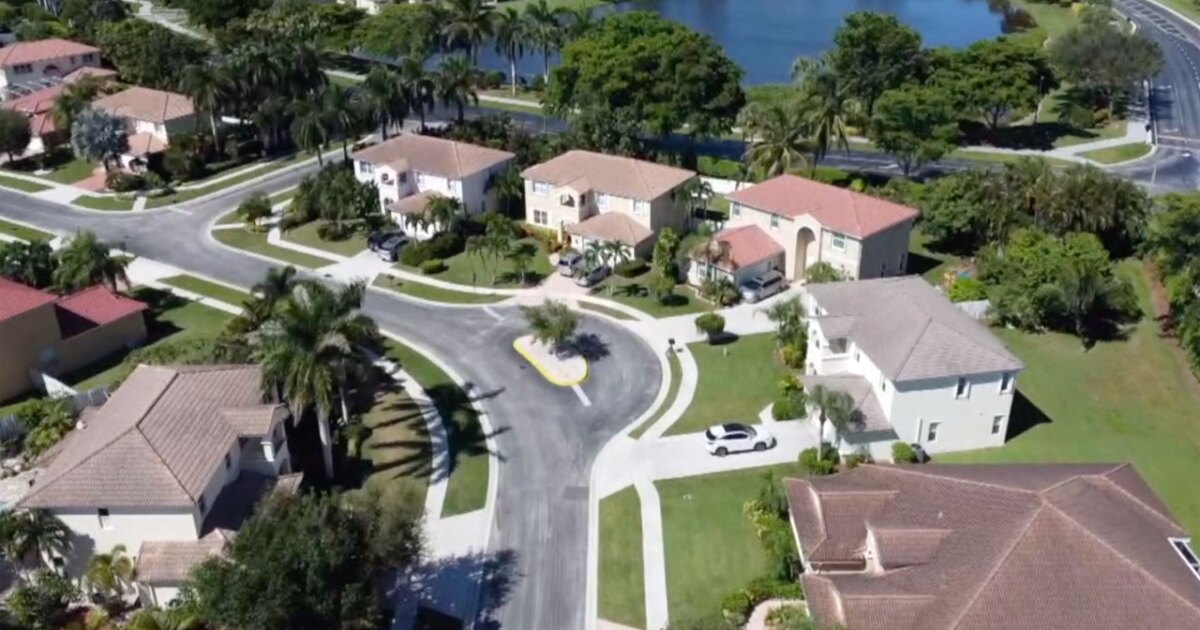
The COVID-19 pandemic has ignited a seismic shift in the work habits of Californians, with remote work becoming a staple across various industries. This transformation is particularly pronounced among better-educated and higher-income employees, whose roles often allow the flexibility of working from home. This shift has not only altered how Californians perform their duties but also impacted where they choose to reside, with the San Francisco Bay Area experiencing significant consequences.
Migration trends within California reveal a marked exodus from the Bay Area and Los Angeles, with many opting for more affordable locales such as Sacramento, the Northern San Joaquin Valley, and the Central Coast. Meanwhile, the Inland Empire has emerged as a preferred destination for those leaving Los Angeles. These patterns were already in motion before the pandemic, but recent Census data from 2021 and 2022 indicate an acceleration.
Remote work has played a pivotal role in this migration surge, particularly among high-income earners. The Bay Area’s remote work rate of 28% in 2021 and 2022, had it been a state, would have topped the nation, surpassing California’s overall rate of 19% and the rest of the US at 16%. This has allowed many workers to relocate to areas with more affordable housing without changing jobs, effectively reducing daily commutes and fueling the exodus from job-rich but housing-constrained regions.
The Bay Area, a hub of high-paying jobs yet plagued by housing shortages, has seen its net outmigration more than double since 2018–2019. This trend is exacerbated by the rise in remote work and a notable outflow of high-income earners. Conversely, while remote work has influenced migration from Los Angeles, the city has experienced a slight reduction in net loss since the pandemic.
This migration shift presents a double-edged sword. While regions gaining new residents benefit from an expanded tax base, they also face increased housing demand, driving up costs and straining existing renters. These dynamics underscore the stark mismatch between California’s employment and housing markets, particularly in the Bay Area.
The state has responded with a flurry of legislation aimed at easing construction constraints, particularly in dense urban areas. Although there has been an uptick in new housing in high-demand areas, it has yet to stem the overall population decline. As these legislative measures take effect, the Public Policy Institute of California will continue to monitor these developments.
Conclusion
Remote work has undeniably reshaped California’s labor and housing landscape. While it offers new living possibilities for some, it remains a temporary solution to the state’s housing crisis, leaving deeper issues unaddressed. The future will reveal whether legislative efforts can bridge the gap between employment opportunities and housing availability.
More Articles
Getting licensed or staying ahead in your career can be a journey—but it doesn’t have to be overwhelming. Grab your favorite coffee or tea, take a moment to relax, and browse through our articles. Whether you’re just starting out or renewing your expertise, we’ve got tips, insights, and advice to keep you moving forward. Here’s to your success—one sip and one step at a time!
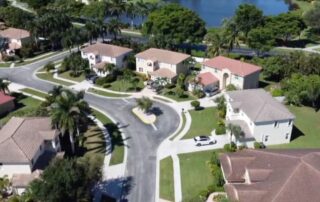
Florida’s home insurance market is experiencing a wave of optimism as recent litigation reforms lead to fewer lawsuits, stronger insurer stability, and even rate reductions. With companies like Florida Peninsula lowering premiums and 17 new insurers entering the state, real estate, mortgage, and insurance professionals can expect smoother transactions, increased buyer confidence, and a more competitive market environment in the year ahead.
Mortgage rates have dipped to levels not seen since 2022, with the 30‑year fixed averaging just 6.361% and Freddie Mac reporting an even lower 6.06%. The drop is reshaping buyer affordability, sparking renewed market activity, and creating fresh opportunities for real estate professionals—especially in fast‑moving markets like Florida.
The 2026 housing market is shaping up to be one of the most pivotal in years, with mortgage rates showing slight relief, affordability shifting toward the Midwest and South, and buyers turning to options like ARMs and new‑construction homes. Early signals point to new opportunities for buyers, investors, and real‑estate professionals—especially those ready to navigate a market defined by moderate rate drops, regional affordability gaps, and builder‑driven incentives.
Ares Commercial Real Estate CEO Bryan Donohoe sold US$107k in shares this week, trimming his stake by 13% and adding to a pattern of insider selling with no insider purchases in the past 12 months. With insider ownership sitting at a modest 1.6%, the activity signals a cautious tone inside the company—something real estate, mortgage, and finance professionals may want to watch as they assess broader market confidence.
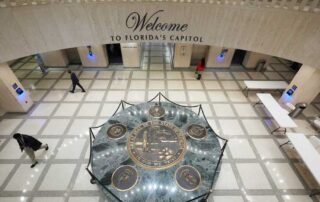
Florida’s 2026 legislative session is officially underway, launching a wave of high‑impact bills targeting property insurance reform, a proposal to eliminate property taxes, new education attendance requirements, and even an AI Bill of Rights. With over a hundred bills already filed, real estate agents, investors, insurers, educators, and other licensed professionals can expect significant regulatory shifts that may reshape Florida’s housing market, insurance costs, and professional compliance standards.
Warren Buffett’s timeless investing wisdom is more relevant than ever in 2026. Despite decades of market change, his core lesson remains the same: long‑term conviction outperforms short‑term prediction. From embracing occasional underperformance to avoiding emotional decisions, Buffett’s philosophy highlights why deep understanding and steady confidence are more valuable than trying to forecast market swings. This mindset isn’t just for investors—it’s a guiding principle for professionals looking to grow their careers with clarity and purpose.