Remote Work Reshapes California’s Living Landscape
The COVID-19 pandemic has ignited a seismic shift in the work habits of Californians, with remote work becoming a staple across various industries. This transformation is particularly pronounced among better-educated and higher-income employees, whose roles often allow the flexibility of working from home. This shift has not only altered how Californians perform their duties but also impacted where they choose to reside, with the San Francisco Bay Area experiencing significant consequences.
Migration trends within California reveal a marked exodus from the Bay Area and Los Angeles, with many opting for more affordable locales such as Sacramento, the Northern San Joaquin Valley, and the Central Coast. Meanwhile, the Inland Empire has emerged as a preferred destination for those leaving Los Angeles. These patterns were already in motion before the pandemic, but recent Census data from 2021 and 2022 indicate an acceleration.
Remote work has played a pivotal role in this migration surge, particularly among high-income earners. The Bay Area’s remote work rate of 28% in 2021 and 2022, had it been a state, would have topped the nation, surpassing California’s overall rate of 19% and the rest of the US at 16%. This has allowed many workers to relocate to areas with more affordable housing without changing jobs, effectively reducing daily commutes and fueling the exodus from job-rich but housing-constrained regions.
The Bay Area, a hub of high-paying jobs yet plagued by housing shortages, has seen its net outmigration more than double since 2018–2019. This trend is exacerbated by the rise in remote work and a notable outflow of high-income earners. Conversely, while remote work has influenced migration from Los Angeles, the city has experienced a slight reduction in net loss since the pandemic.
This migration shift presents a double-edged sword. While regions gaining new residents benefit from an expanded tax base, they also face increased housing demand, driving up costs and straining existing renters. These dynamics underscore the stark mismatch between California’s employment and housing markets, particularly in the Bay Area.
The state has responded with a flurry of legislation aimed at easing construction constraints, particularly in dense urban areas. Although there has been an uptick in new housing in high-demand areas, it has yet to stem the overall population decline. As these legislative measures take effect, the Public Policy Institute of California will continue to monitor these developments.
Conclusion
Remote work has undeniably reshaped California’s labor and housing landscape. While it offers new living possibilities for some, it remains a temporary solution to the state’s housing crisis, leaving deeper issues unaddressed. The future will reveal whether legislative efforts can bridge the gap between employment opportunities and housing availability.
More Articles
Getting licensed or staying ahead in your career can be a journey—but it doesn’t have to be overwhelming. Grab your favorite coffee or tea, take a moment to relax, and browse through our articles. Whether you’re just starting out or renewing your expertise, we’ve got tips, insights, and advice to keep you moving forward. Here’s to your success—one sip and one step at a time!
After nearly 20 years under uniquely harsh lending rules, Florida may finally see its condo market freed from a 25% down payment requirement imposed only on the state. Industry leaders say Fannie Mae could announce changes as early as December—potentially restoring the standard 10% down payment used everywhere else in the country. Experts believe the shift would boost maintenance funding, improve affordability, and stabilize Florida’s condo market after years of strain.
Phoenix’s commercial real estate market is shaking off years of uncertainty as broker optimism hits its highest level since interest rates began climbing. The latest ASU Commercial Broker Sentiment Index soared to 62.7, signaling strong confidence across multifamily, retail, office, and capital markets. With population growth accelerating, interest rates easing, and AI boosting industry efficiency, Phoenix is positioning itself for a powerful run into 2026—offering meaningful opportunities for both new and seasoned real estate professionals.
Michigan’s House Rules Committee heard testimony on a proposal that would let licensed professionals complete all required continuing education online. Supporters say the change would modernize outdated rules, reduce costs, and improve access for rural and busy workers. The state licensing department backs the measure, and lawmakers noted it could reshape CE options across industries from real estate to insurance and healthcare.
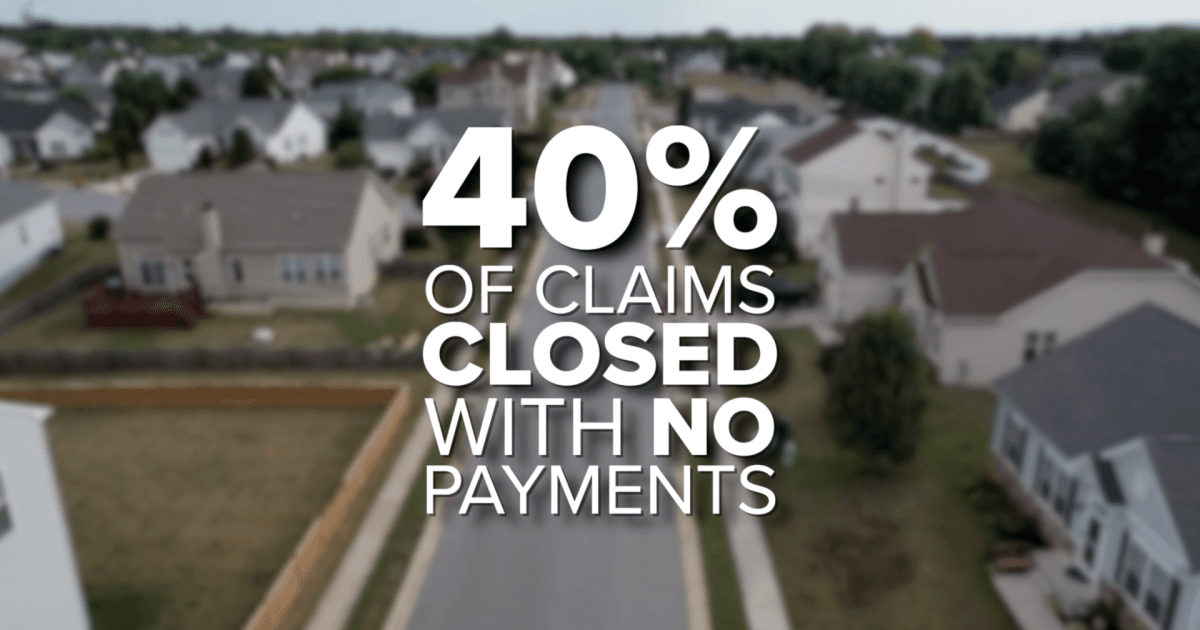
Florida homeowners are now paying an average of $5,838 per year for insurance — nearly $3,000 above the national average — making it one of the most expensive states in the country. As premiums continue to triple for some residents, many are being forced into tough decisions, from delaying home improvements to dropping coverage altogether. With more than 40% of claims closed with no payment and lawmakers pushing for aggressive reforms, the crisis is reshaping Florida’s housing market and placing growing pressure on real estate, mortgage, and insurance professionals statewide.
Griffin Funding has elevated John Jones to Senior Vice President of Growth and EOS Integrator, marking a major step in the company’s long-term expansion strategy. Already a key operational leader since April 2025, Jones will now drive performance optimization, market expansion, and leadership development as the lender pursues an ambitious goal of reaching $3 billion in annual non-QM loan volume by 2030. His promotion underscores Griffin Funding’s commitment to scaling strategically while strengthening its position in the fast-growing non-QM space.
Despite recent Federal Reserve rate cuts, commercial real estate remains frozen. Long‑term Treasury yields continue to climb, keeping borrowing costs high and preventing the relief investors expected. With nearly $1 trillion in commercial loans coming due, refinancing at today’s elevated rates is squeezing owners, slowing transactions, and creating a widening gap between buyers and sellers. For patient, well‑capitalized investors, this period of recalibration may offer some of the strongest opportunities in years.