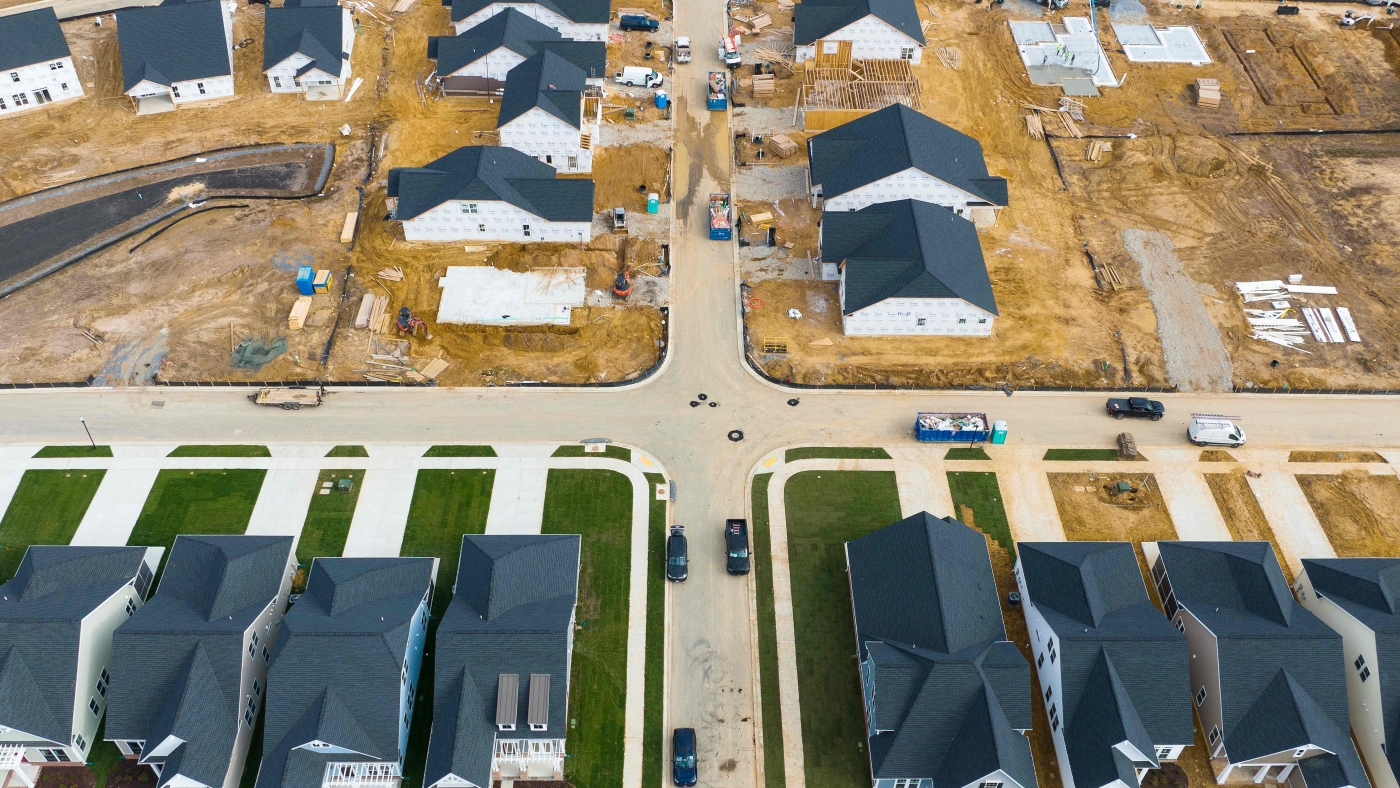
In an era where remote working has transitioned from a temporary necessity to a permanent fixture, the real estate landscape in India is undergoing a profound transformation. According to a recent article by Times Property, the shift towards working from home has led to significant changes in both residential and commercial property investments.
Changing Residential Preferences
Remote work has redefined what homebuyers seek in a property. The demand for larger living spaces has surged as individuals prioritize homes that can accommodate both living and working activities. A Knight Frank report highlights that over 70% of homebuyers now consider a dedicated home office crucial. This trend is further supported by the necessity for high-speed internet connectivity, which has become indispensable in this digital age.
Moreover, access to green spaces is increasingly important. The pandemic has heightened awareness of the benefits of nature, driving a desire for homes near parks and serene environments.
Suburban and Rural Appeal
The allure of suburban and rural areas is growing, primarily due to affordability and space. Cities like Pune, Nashik, and Coimbatore are becoming popular choices as they offer a balance of cost-effective housing and connectivity to urban amenities. The National Housing Bank reports a 12% rise in Pune’s housing prices, driven by remote workers seeking larger homes at lower costs.
Commercial Real Estate Evolution
The commercial sector is not immune to these shifts. The rise of co-working spaces and flexible office environments reflects the adoption of hybrid work models. As the JLL report suggests, co-working spaces in India are projected to grow by 30% annually. This trend offers scalability and reduced overheads, appealing especially to startups and small businesses.
Rental yields in traditional office spaces have seen a decline, as evidenced by an 8% drop in Gurugram. This shift underscores the growing preference for flexible workspace solutions.
Technological Integration
Technology is at the forefront of this transformation. Digital platforms, virtual tours, and data analytics are revolutionizing property transactions and management. These advancements are not only streamlining operations but also enhancing the customer experience.
Future Prospects and Government Support
The future of real estate in India is intertwined with government initiatives like the Digital India Initiative, enhancing internet connectivity, especially in rural areas. Such policies are essential in supporting the remote work revolution.
As urban development evolves, mixed-use developments and sustainable growth models are expected to dominate. These changes promise to create vibrant, decentralized communities that offer a high quality of life.
In conclusion, the rise of remote working is not just a trend but a catalyst for reshaping the real estate investment landscape in India. As preferences continue to evolve, staying informed about these dynamics will be crucial for investors and developers aiming for long-term success.
More Articles
Getting licensed or staying ahead in your career can be a journey—but it doesn’t have to be overwhelming. Grab your favorite coffee or tea, take a moment to relax, and browse through our articles. Whether you’re just starting out or renewing your expertise, we’ve got tips, insights, and advice to keep you moving forward. Here’s to your success—one sip and one step at a time!
The global digital health market is set to skyrocket, with projections estimating it will reach $551.09 billion by 2027. This growth is fueled by innovations that are setting new benchmarks in healthcare delivery.
AI is being hailed as a "triple threat" in radiology, impacting planning, scanning, and diagnosis. As detailed in a recent column by Kelly Londy of GE HealthCare, these intelligent imaging systems are ushering in seismic changes reminiscent of the transformative impact of computer-assisted tomography in the late 20th century.
In a significant move that has captured the attention of economists and homebuyers alike, the Federal Reserve recently announced a half-percentage-point cut in interest rates. This decision is poised to bring about notable changes in the housing market, though not all effects may be beneficial for prospective homeowners.
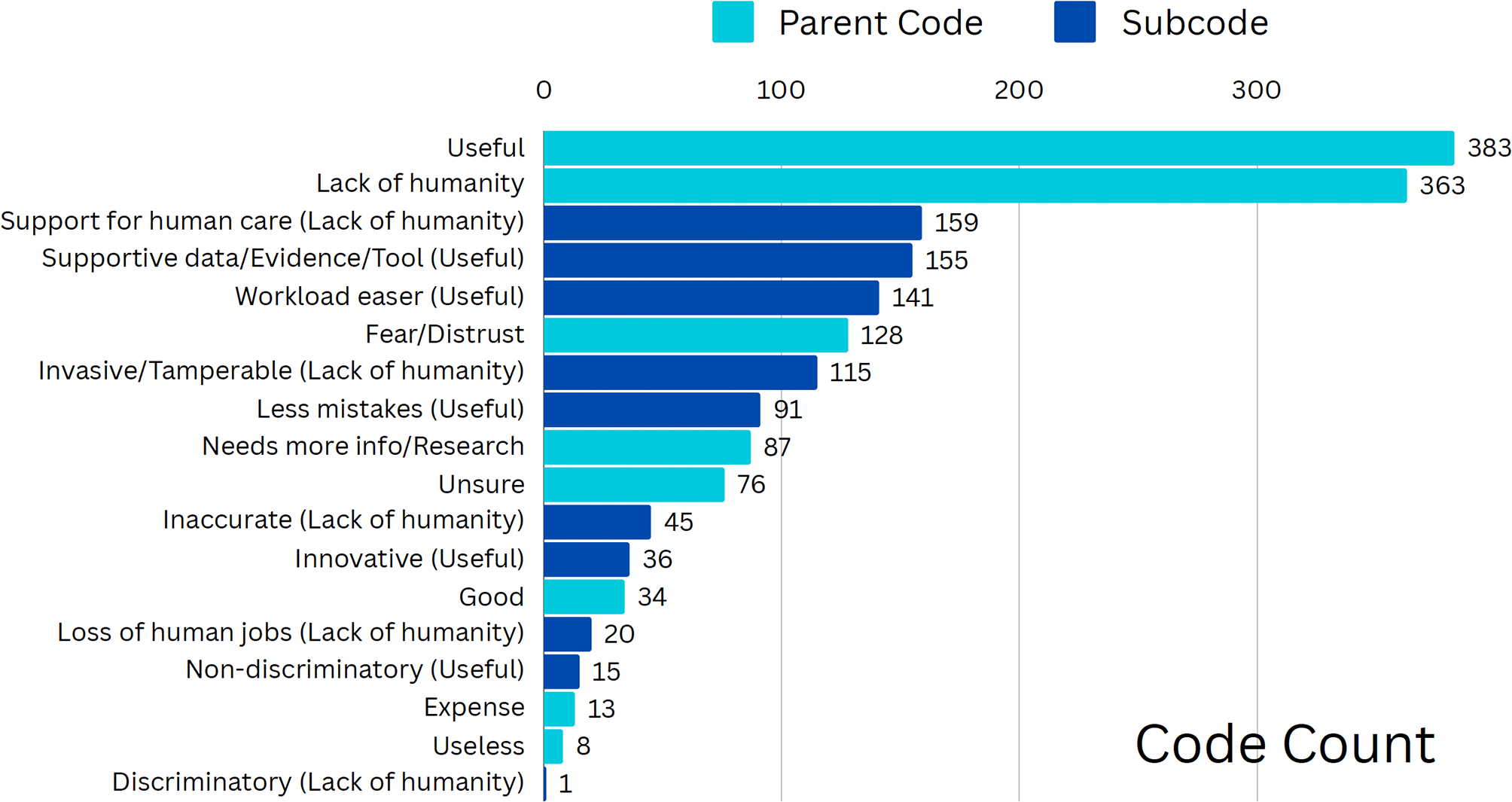
In the rapidly evolving landscape of healthcare, the integration of artificial intelligence (AI) stands as a beacon of both promise and concern. The research underscores a significant tension: while AI has the capability to enhance healthcare delivery, there is palpable unease about its impact on the traditional physician-patient relationship.
As artificial intelligence (AI) technology advances, it presents a myriad of ethical dilemmas and challenges that demand urgent attention. The USC Annenberg School for Communication and Journalism recently explored these pressing issues, highlighting the complexities involved in AI's deployment.