As remote work continues to reshape our daily lives, its influence on the housing market is profound and far-reaching. According to a recent article by Norada Real Estate Investments, the shift to remote work is not just a temporary trend but a lasting transformation that is redefining where and how people choose to live.


The Rise of Remote Work

By 2025, it’s anticipated that 22% of the American workforce will spend a significant amount of their time working from home. This evolution is not only changing work environments but also driving a shift in housing preferences. Homebuyers are now prioritizing larger spaces that can accommodate multiple functions like offices, gyms, and classrooms.


Migration to Suburbs and Rural Areas

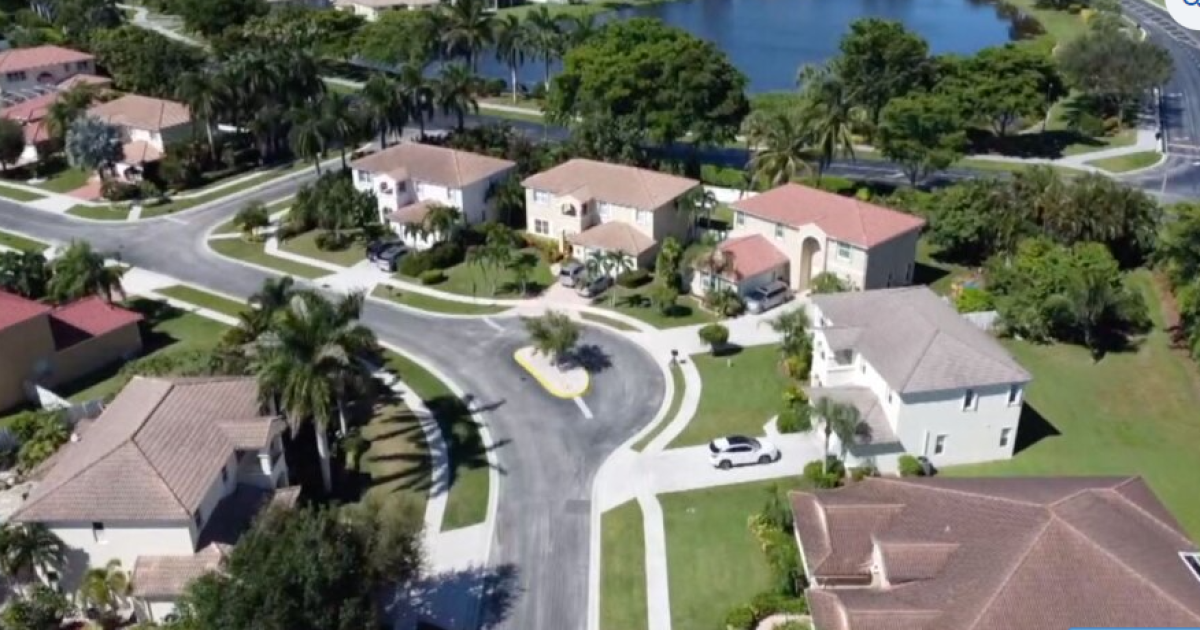
The allure of suburban and rural living has grown stronger, as remote work eliminates the need for a daily commute. Many urban dwellers are relocating to areas that offer more space and affordability. This migration has led to a notable increase in housing demand outside of major cities.


Impact on Home Prices

Data indicates that while urban home prices have risen, suburban and rural areas have also experienced significant price increases. This trend underscores a collective desire for spacious living arrangements at affordable rates. Millennials and Gen Z are particularly drawn to homeownership, recognizing the long-term benefits of equity over renting.


Rental Market Shifts

The rental market is also adapting to remote work trends. Renters are increasingly seeking properties that offer quality amenities suited for home-based work, such as home office setups and robust internet connectivity. This shift is evident in the growing demand for rentals in less densely populated regions.


Challenges and Opportunities

Despite these trends, financing and affordability continue to pose challenges. Rising home prices and interest rates are prompting prospective buyers to explore alternative financing options, such as co-buying. It is crucial for those in the housing market to stay informed and adapt to these changes.


Future Predictions

  1. Continued Demand for Space: Suburban and rural areas will likely maintain their appeal.
  2. Hybrid Work Models: Companies may increasingly adopt hybrid work arrangements, affecting housing market dynamics.
  3. Infrastructure Investments: Local governments might enhance amenities to support suburban living.

For a deeper understanding of these trends, refer to Emerging Trends in Real Estate.


As the housing market adapts to these remote work trends, it is essential for real estate professionals, buyers, and sellers to remain proactive and informed. Embracing these changes can lead to successful outcomes in a rapidly evolving market.


More Articles

Getting licensed or staying ahead in your career can be a journey—but it doesn’t have to be overwhelming. Grab your favorite coffee or tea, take a moment to relax, and browse through our articles. Whether you’re just starting out or renewing your expertise, we’ve got tips, insights, and advice to keep you moving forward. Here’s to your success—one sip and one step at a time!

Commercial Real Estate 2026: A Stabilizing Market Finally Finds Its Rhythm

After a turbulent 2025 marked by stalled construction, tight capital, and economic uncertainty, commercial real estate is finally entering a period of stabilization and early recovery. Analysts across Colliers, Cushman & Wakefield, CoStar, KBW, and Deloitte agree that 2026 brings a “new equilibrium,” with capital markets waking up, vacancies peaking, and investment activity returning. Office, industrial, retail, multifamily, and data center sectors each tell a different story—some recovering, some booming, some transforming—but all show signs of renewed momentum. For investors and professionals, 2026 offers cautious yet promising opportunities as the industry regains its footing.

Five New Florida Laws Every Professional Should Know in 2026

Florida kicked off the new year with five impactful laws now in effect, influencing healthcare, insurance, animal welfare, and government employees statewide. From faster medical refund requirements to new pet‑insurance transparency rules and expanded benefits for state workers, these updates are already reshaping daily life and professional practices. Whether you work in real estate, insurance, healthcare, or any state‑licensed field, staying informed on these changes is essential as regulations continue to shift rapidly across Florida.

Commercial Real Estate in 2026 Shows Clear Signs of Stabilization and Recovery

The commercial real estate market is entering 2026 with renewed momentum and long‑awaited signs of stability. Major research firms report a “new equilibrium” forming across asset classes, supported by lower interest rates, easing lending conditions, and returning investor confidence. Office vacancies are projected to improve, industrial demand remains strong despite reduced construction, and data centers continue to dominate growth. With capital markets reawakening and REITs poised for a potential breakout year, professionals who stay informed and expand their skill sets could find 2026 filled with fresh opportunity.

Mortgage Rates Drop to 15‑Month Low as 2026 Housing Market Shows Signs of Thawing

Mortgage rates have fallen to their lowest point since 2024, giving homebuyers a much‑needed break as 2026 begins. The average 30‑year fixed rate now sits near 6.12% to 6.15%, driven by multiple Fed rate cuts and cooling economic signals. While lower rates are boosting buyer optimism, tight inventory and the lingering lock‑in effect continue to challenge the market. This shift may open a key opportunity window for buyers— and for real estate and mortgage professionals looking to stay ahead of rapid industry changes.

Florida’s Great Tax Shake-Up: The 2026 Property Tax Overhaul That Could Reshape Homeownership

Florida is gearing up for what could be its biggest property tax transformation in decades. With state leaders, including Gov. Ron DeSantis, exploring ways to reduce or even eliminate property taxes as early as 2026, homeowners and real estate professionals are bracing for major changes. While supporters argue that Florida can cut back the nearly $60 billion in annual property tax revenue without harming essential services, local officials warn the move could jeopardize police, fire, EMS, and community programs. As the debate intensifies heading into the 2026 legislative session, the future of Florida’s housing affordability and municipal funding hangs in the balance.

New Florida Laws Taking Effect January 1: Key 2026 Updates Every Professional Should Know

Florida is starting 2026 with a slate of major new laws impacting health care, insurance, real estate, consumer protection, and public safety. From free breast‑cancer diagnostic exams for state employees to new transparency rules for condo associations and stricter regulations on pet insurance, these changes will influence professionals across multiple industries. Whether you work in real estate, insurance, health services, or public policy, understanding these updates will help you stay compliant and ahead of Florida’s fast‑evolving regulatory landscape.