
Industry Surveys Reveal Renter Preferences for 2024


As we navigate the ever-evolving landscape of the rental market, recent surveys have shed light on the preferences and priorities of renters in 2024. The 2024 Grace Hill | NMHC Renter Preferences Survey and RentCafe.com’s Rental Listing Preference Survey provide invaluable insights for marketing professionals and property managers alike.


One of the most striking findings is the dominance of digital marketing in how renters search for their next home. With 79% of renters visiting property websites and 75% referencing ILS platforms, it’s clear that an effective digital marketing strategy is paramount. Renters are also heavily influenced by ratings and reviews, with 71% considering them in their decision-making process.


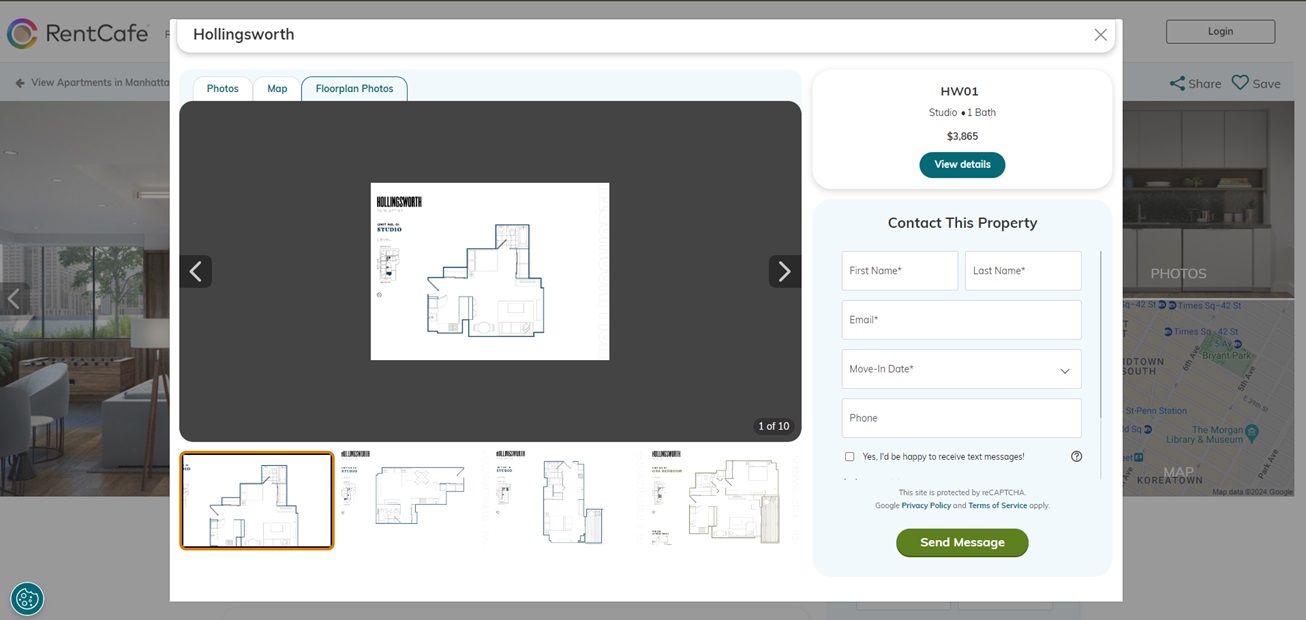
Floorplans

In terms of rental essentials, in-unit washer/dryer and air conditioning top the list with 93% of renters considering them crucial. The work-from-home trend persists, with 52% of respondents still working remotely, driving demand for high-speed internet and soundproof living spaces.


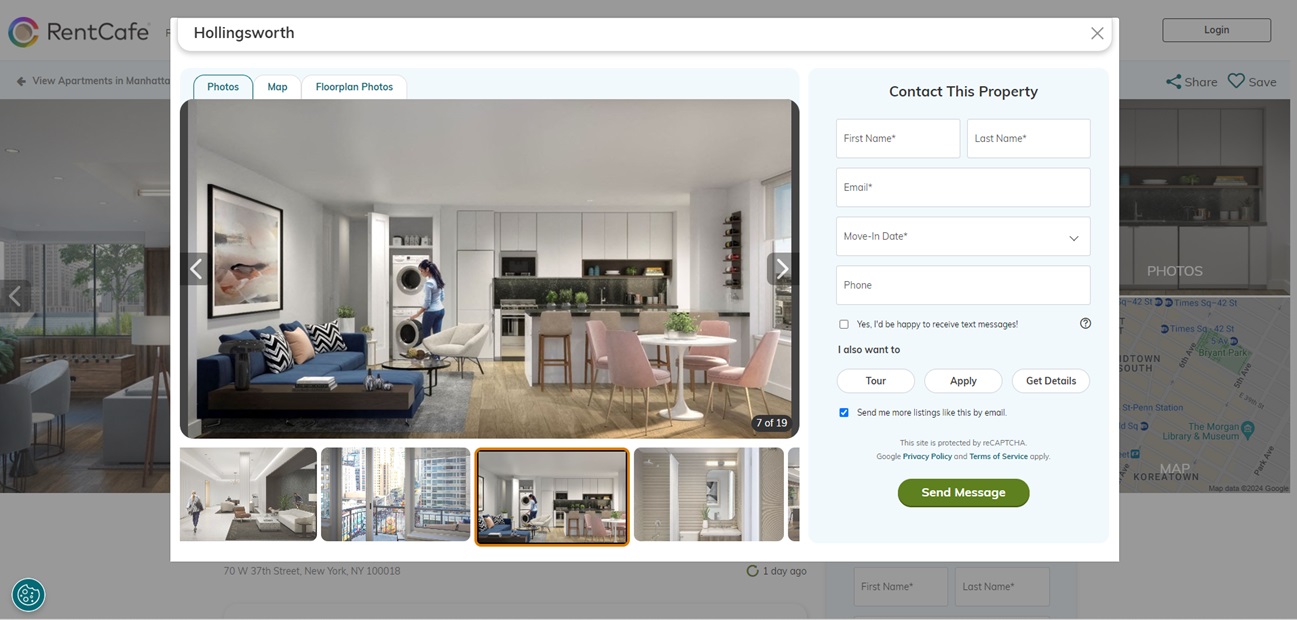
Washer & dryer

Interestingly, the desire for smart technology is on the rise, with renters willing to pay a premium for amenities like smart thermostats and keyless smart locks. Furthermore, the surveys reveal a shift away from cash transactions, with 34% of renters calling for the ability to pay digitally without extra fees.


Community inclusiveness also plays a significant role, as 85% of renters express satisfaction with their living environments, and over half feel included and accepted. This bodes well for the multifamily industry, highlighting the importance of fostering a respectful and kind community atmosphere.


For a deeper dive into these insights, you can explore the original article on Multi-Housing News.


More Articles

Getting licensed or staying ahead in your career can be a journey—but it doesn’t have to be overwhelming. Grab your favorite coffee or tea, take a moment to relax, and browse through our articles. Whether you’re just starting out or renewing your expertise, we’ve got tips, insights, and advice to keep you moving forward. Here’s to your success—one sip and one step at a time!

Artificial Intelligence in Diagnostics: A Revolution in Healthcare

The global market for artificial intelligence in diagnostics is poised for remarkable growth, with projections estimating it to reach USD 7.3 billion by 2032.

By |December 10, 2024|Categories: Article, Artificial Intelligence, Healthcare|Tags: , |0 Comments

Revolutionizing Medical Education with Extended Reality

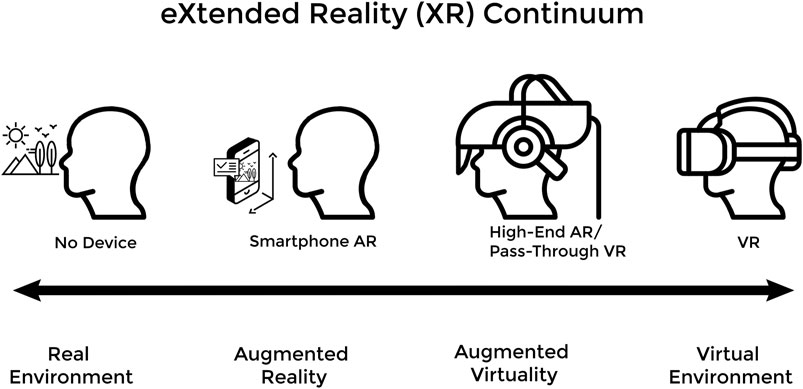
In the ever-evolving landscape of medical education, a new player has emerged, promising to revolutionize the way future doctors are trained. The integration of eXtended Reality (XR) technologies is reshaping the educational landscape by addressing the limitations of traditional methods.

Genetic Testing: A New Dawn in Healthcare

Genetic testing represents more than just a scientific advancement; it signifies a fundamental shift in how we approach health and wellness.

Sustainable Architecture: Blending Innovation with Ecological Responsibility

The journey toward sustainable architecture is ongoing, with each project serving as a beacon of what's achievable when creativity meets ecological awareness.

By |December 9, 2024|Categories: Architecture, Article, Sustainability|Tags: |0 Comments

AI in Clinical and Molecular Diagnostics: A Market on the Rise

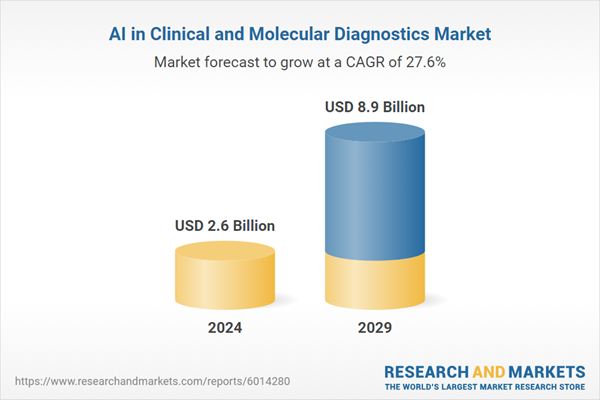
AI in Clinical and Molecular Diagnostics Market is set to experience remarkable growth, projected to surge from USD 2.6 billion in 2024 to USD 8.9 billion by 2029. This growth is driven by the integration of advanced AI technologies such as machine learning and deep learning into traditional diagnostic methodologies like imaging, genomics, and laboratory testing.

AI: A Revolution in Healthcare’s Future

AI is not a distant dream but a present reality, already integrated into everyday life through virtual assistants like Alexa and Siri. AI shows promise in enhancing medical accuracy, such as in predicting mesothelioma survival and improving colonoscopy accuracy, it is not intended to replace healthcare professionals.