In a significant stride towards modernizing New York City’s landscape, the City Council has approved a landmark initiative aimed at revitalizing commercial zoning regulations. This initiative, known as the Zoning for Economic Opportunity, represents the second phase of Mayor Eric Adams’ ambitious City of Yes campaign, which seeks to transform the city’s economic and environmental framework.
The newly approved zoning changes, which were officially sanctioned on June 6, 2024, are set to overhaul decades-old restrictions, thereby expanding the potential for commercial and manufacturing growth across the city. This update marks the first major revision to commercial zoning laws since 1961, underscoring a pivotal shift towards fostering economic recovery and sustainable job creation.
Key Highlights of the Initiative
Expansion of business locations to include more areas citywide.
Doubling of available space for small-scale clean manufacturing.
Facilitation of adaptive reuse projects for existing buildings.
Elimination of zoning impediments that hinder business expansion.
Mayor Adams, in a statement, emphasized the importance of this initiative, stating, “We have taken another historic step to bring our city’s zoning code into the 21st century.” The changes are designed to support local businesses, fill vacant storefronts, and promote vibrant commercial corridors throughout the city.
Driving Economic Recovery
This zoning update is part of a broader strategy to drive New York City’s economic recovery through commonsense policy changes. These changes aim to help businesses find space, support entrepreneurs, and enable more vibrant streetscapes. The initiative also places a strong emphasis on expanding manufacturing, allowing small enterprises like microbreweries and apparel makers to thrive in commercial corridors across all five boroughs.
The initiative follows the City of Yes for Carbon Neutrality initiative approved in December, which aimed to remove barriers to renewable energy installations and promote cleaner air and lower energy costs.
In addition to supporting local businesses, the zoning changes aim to enhance pedestrian experiences and ensure that commercial uses contribute positively to their surroundings. The city council is expected to vote on the third and final phase of the City of Yes initiative, City of Yes for Housing Opportunity, by the end of the year. This phase will focus on adaptive reuse as part of a plan to build 500,000 new homes in New York City by 2032.
More Articles
Getting licensed or staying ahead in your career can be a journey—but it doesn’t have to be overwhelming. Grab your favorite coffee or tea, take a moment to relax, and browse through our articles. Whether you’re just starting out or renewing your expertise, we’ve got tips, insights, and advice to keep you moving forward. Here’s to your success—one sip and one step at a time!
The financial landscape in South Korea is poised for a seismic shift as KBank, a major digital bank, grapples with a legislative curveball. The bank, which is heavily reliant on deposits from Upbit, Korea’s dominant cryptocurrency exchange, is facing a potential profit squeeze. The new Virtual Asset User Protection Act, set to take effect on July 19, 2024, mandates that banks must pay interest on crypto exchange deposits, a move that could severely impact KBank's bottom line.
AI's ability to analyze vast amounts of data is paving the way for a profound change in medical diagnostics. Khosla predicted that AI could take over up to 80% of standard medical tasks, reducing errors and biases in human diagnosis. This is particularly evident in fields like radiology and pathology, where AI's proficiency in analyzing medical imaging allows for the early detection of diseases such as cancer, significantly improving treatment outcomes.
The COVID-19 pandemic has dramatically reshaped the housing market landscape, resulting in an unprecedented surge in home prices throughout the United States.
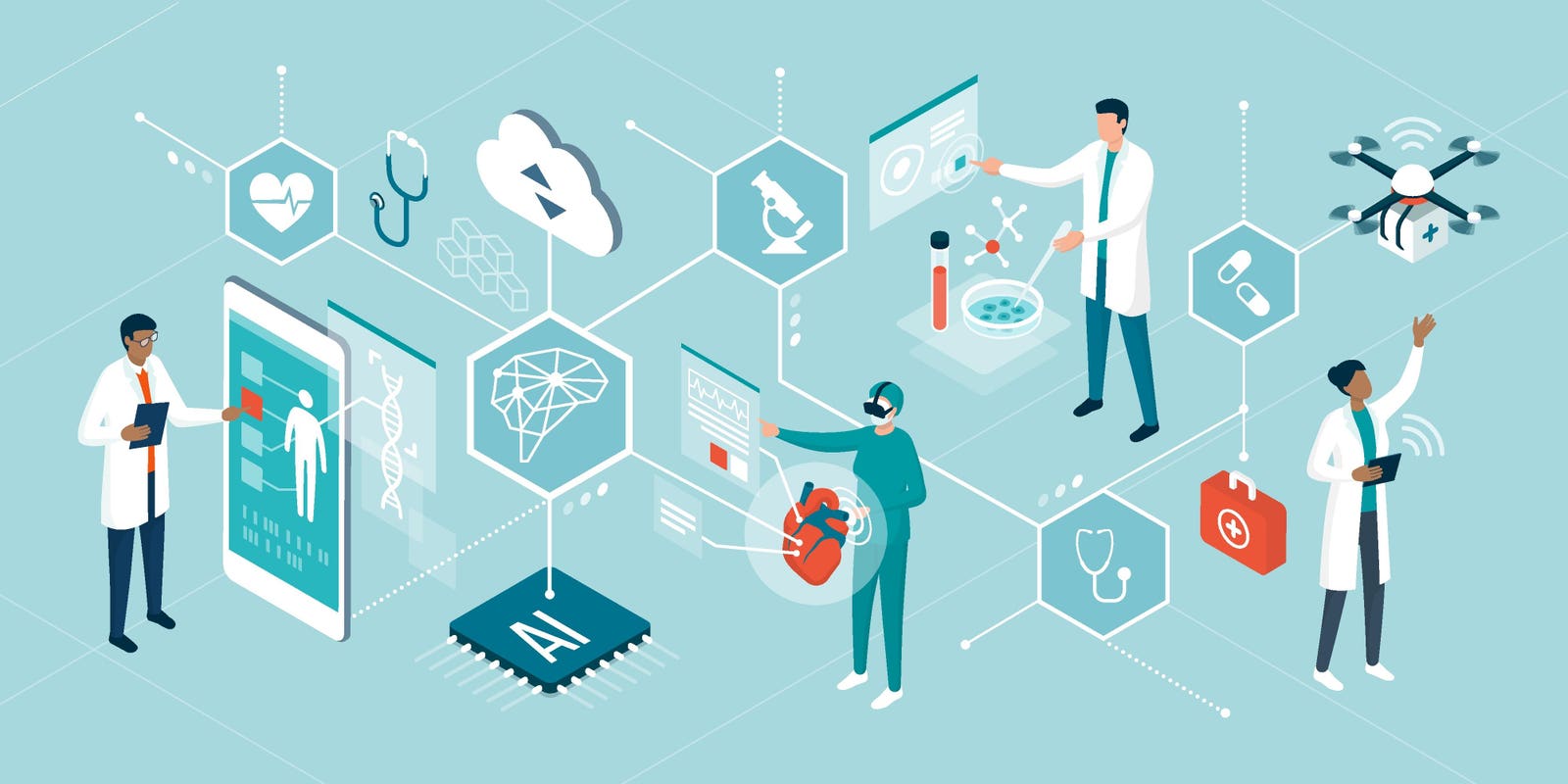
In a world where technology is rapidly evolving, artificial intelligence (AI) is proving to be a game-changer in the healthcare sector. AI-powered tools are improving patient outcomes, enhancing operational efficiency, and reducing costs, reshaping the very fabric of healthcare delivery.
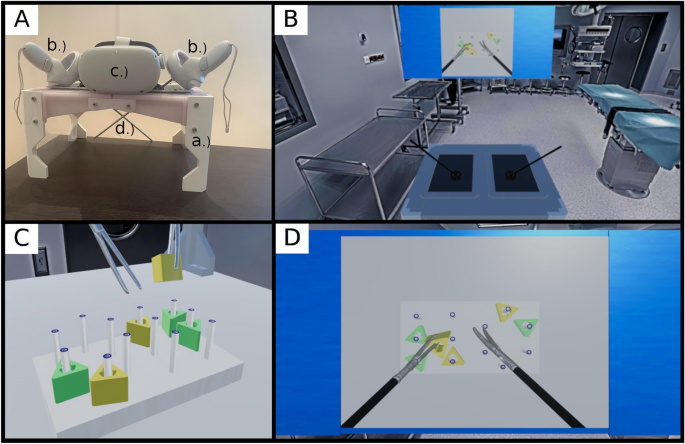
In a groundbreaking study published by Nature, researchers have unveiled a novel approach to surgical training using a low-fidelity virtual reality (VR) simulator enhanced with artificial intelligence (AI) for objective assessment. This pioneering method is poised to transform how medical students acquire laparoscopic skills, offering a cost-effective and efficient alternative to traditional training models.
AI in healthcare is projected to grow into a $188 billion industry worldwide by 2030, promising to revolutionize the field. From drug development to improved diagnostics, AI is already making significant strides, transforming medical practices and enhancing patient care efficiency.