
In a significant stride towards modernizing New York City’s landscape, the City Council has approved a landmark initiative aimed at revitalizing commercial zoning regulations. This initiative, known as the Zoning for Economic Opportunity, represents the second phase of Mayor Eric Adams’ ambitious City of Yes campaign, which seeks to transform the city’s economic and environmental framework.

New york city mayor eric adams fields questions during a press conference.

The newly approved zoning changes, which were officially sanctioned on June 6, 2024, are set to overhaul decades-old restrictions, thereby expanding the potential for commercial and manufacturing growth across the city. This update marks the first major revision to commercial zoning laws since 1961, underscoring a pivotal shift towards fostering economic recovery and sustainable job creation.

Key Highlights of the Initiative

  • Expansion of business locations to include more areas citywide.
  • Doubling of available space for small-scale clean manufacturing.
  • Facilitation of adaptive reuse projects for existing buildings.
  • Elimination of zoning impediments that hinder business expansion.

Mayor Adams, in a statement, emphasized the importance of this initiative, stating, “We have taken another historic step to bring our city’s zoning code into the 21st century.” The changes are designed to support local businesses, fill vacant storefronts, and promote vibrant commercial corridors throughout the city.

Driving Economic Recovery

This zoning update is part of a broader strategy to drive New York City’s economic recovery through commonsense policy changes. These changes aim to help businesses find space, support entrepreneurs, and enable more vibrant streetscapes. The initiative also places a strong emphasis on expanding manufacturing, allowing small enterprises like microbreweries and apparel makers to thrive in commercial corridors across all five boroughs.

The initiative follows the City of Yes for Carbon Neutrality initiative approved in December, which aimed to remove barriers to renewable energy installations and promote cleaner air and lower energy costs.

In addition to supporting local businesses, the zoning changes aim to enhance pedestrian experiences and ensure that commercial uses contribute positively to their surroundings. The city council is expected to vote on the third and final phase of the City of Yes initiative, City of Yes for Housing Opportunity, by the end of the year. This phase will focus on adaptive reuse as part of a plan to build 500,000 new homes in New York City by 2032.

More Articles

Getting licensed or staying ahead in your career can be a journey—but it doesn’t have to be overwhelming. Grab your favorite coffee or tea, take a moment to relax, and browse through our articles. Whether you’re just starting out or renewing your expertise, we’ve got tips, insights, and advice to keep you moving forward. Here’s to your success—one sip and one step at a time!

America’s Housing Affordability Crisis: A Deep Dive into 2024

The American dream of homeownership is slipping further out of reach for many as the nation grapples with a severe housing affordability crisis.

By |October 17, 2024|Categories: Article, Economic Issues, Housing Affordability|Tags: , |0 Comments

The Economic Payoff of Climate Resilience Investments

Each dollar spent on disaster preparedness can yield a remarkable $13 in savings on economic impact, damage, and cleanup costs. By investing in resilience today, we can safeguard our economic futures against the uncertainties of tomorrow.

By |October 16, 2024|Categories: Article, Climate Resilience, Economics|Tags: |0 Comments

California Legislators Target Corporate Landlords in Housing Market Shake-Up

California's housing market is in the crosshairs of some of the state's most influential lawmakers, who are determined to curb the influence of institutional investors. This legislative session, at least three bills are being considered to prevent these corporate landlords from amassing a significant number of the state's single-family homes.

Proposition 33: A Pivotal Moment in California’s Rent Control Debate

Proposition 33 has sparked a heated debate. Proponents argue that repealing Costa–Hawkins would allow cities to tailor rent control measures to their unique needs, potentially easing the financial burdens on renters.

By |October 16, 2024|Categories: Article, Housing, Legislation|Tags: , |0 Comments

The Trump Era: A Transformative Journey in the U.S. Housing Market

The presidency of Donald Trump ushered in a period of notable shifts in the U.S. housing market, characterized by tax cuts, deregulation, and the unforeseen impact of a global pandemic. This era, marked by both growth and uncertainty, offers a complex narrative of economic policy and market dynamics.

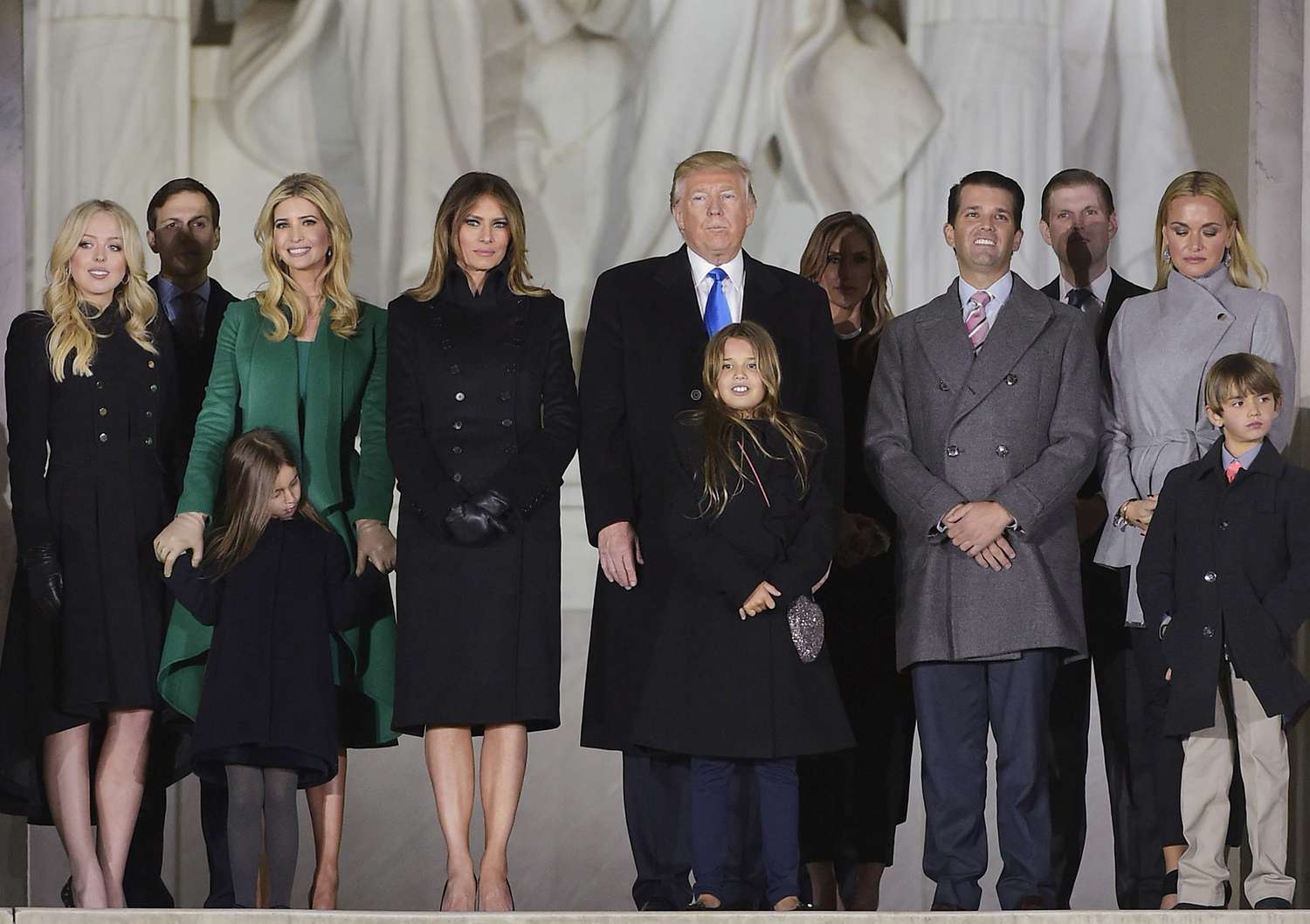
Donald Trump’s Intricate Family Web

Donald Trump, a name synonymous with real estate, reality television, and politics, presents a complex family tapestry woven with professional and personal threads. His family, deeply enmeshed in his business ventures and political pursuits, forms a network of intricate connections.


By |October 15, 2024|Categories: Article, Family, Politics|Tags: , |0 Comments